
Experts warn of soil depletion, hidden risks in Nigeria’s fertiliser use
Nigeria’s food and soil systems are under growing threat from industrial agriculture and excessive chemical use, according to experts who spoke on The Volume Pod. Faith Nemie Ayegba, a food systems and climate advocate, said industrialisation and capitalist pressures have forced farmers to prioritise speed and profit over sustainability, leading to widespread soil degradation. “Most […]
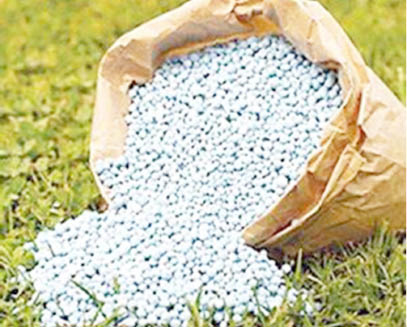
Fertiliser Application
Nigeria’s food and soil systems are under growing threat from industrial agriculture and excessive chemical use, according to experts who spoke on The Volume Pod.
Faith Nemie Ayegba, a food systems and climate advocate, said industrialisation and capitalist pressures have forced farmers to prioritise speed and profit over sustainability, leading to widespread soil degradation.
“Most of our soils are getting depleted in terms of nutrients and microorganisms needed for healthy growth,” Ayegba said.
She explained that the shift from communal to industrial farming practices has worsened the problem.
“When industrialists came into agriculture, they introduced genetically modified seedlings and pesticides with promises of high yield and drought resistance,” she said.
“These innovations depleted the soil further and destroyed the natural processes that support farming.”
Ayegba said farmers are now driven by “fast cash” rather than sustainability, skipping essential soil restoration steps in pursuit of quicker harvests.
“Everybody wants to do things fast, fast, quick, quic. “You boycott the processes that should get you to your destination because you want quick money.
“But the technologies we introduce end up harming the soil, human health, and the natural world,” she said.
Ikenna Donald Ofoegbu, a programme manager and researcher who leads the Sustainable Nigeria Programme at Heinrich Böll Stiftung, said Nigeria’s approach to agriculture is not in harmony with nature.
His words: “The whole soil is looking the same. The quality is declining. It’s a system problem driven by the ‘get money quick’ mentality.”
He noted that rapid urbanisation and deforestation are also putting immense pressure on the environment.
“Nigeria has one of the fastest deforestation rates in the world. We’re losing forests, insects, and microbes because we’re farming in ways that are not in tune with nature,” he said.
Ofoegbu criticised the lack of transparency surrounding fertiliser composition and chemical use in agriculture.
“Ninety percent of farmers don’t know the active ingredients in the agrochemicals they apply on their farms.
“Consumers too don’t know what’s in the food they eat. There are no full disclosure clauses for what’s in these fertilisers or pesticides,” he stated.
He said agencies such as NAFDAC and the Biosafety Agency often approve products after limited trials without disclosing the full chemical makeup to the public.
“They’ll just tell you it’s safe and put it out in the market. But farmers don’t know how it affects the soil, the next farming season, or even unborn babies,” he said.
Both experts called for stronger regulation, transparency, and a return to ecologically balanced farming systems that prioritise human and environmental health over profit.