
Falling food prices: Political gimmick or genuine relief
In recent weeks, Nigerians across various states have reported a noticeable drop in the prices of essential food items such as rice, maize, beans, garri, and cooking oil. For a country that has been battling with soaring inflation and cost of living crisis for over two years, this development should be a welcome relief. But […]
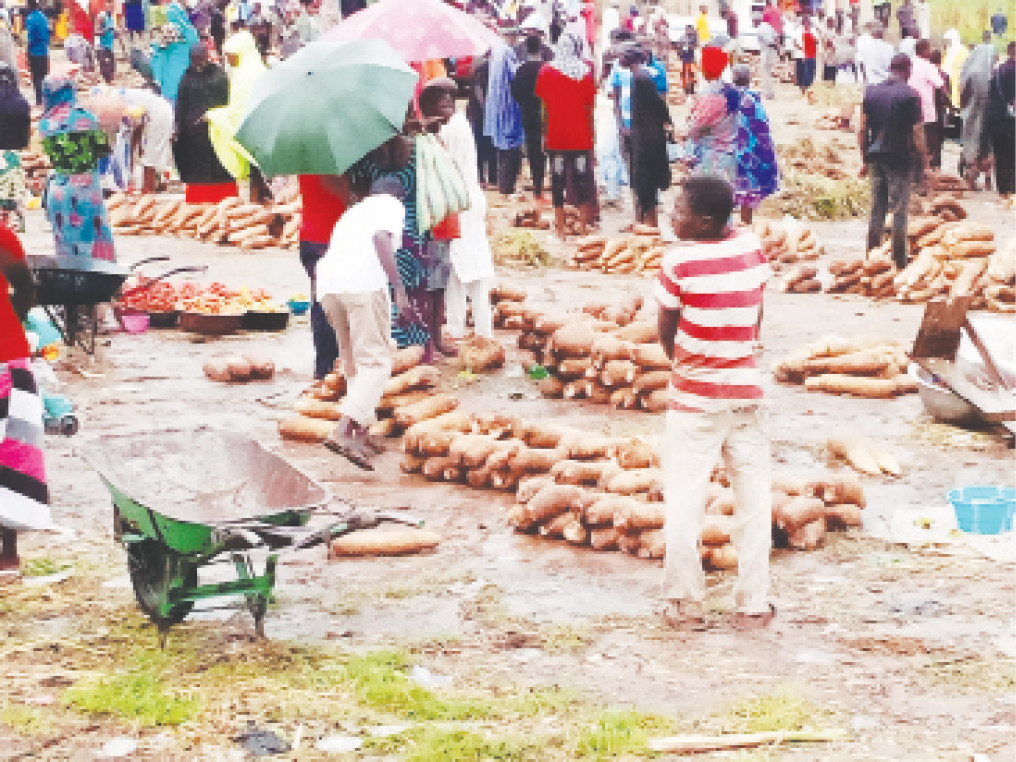
FILE PHOTO
In recent weeks, Nigerians across various states have reported a noticeable drop in the prices of essential food items such as rice, maize, beans, garri, and cooking oil.
For a country that has been battling with soaring inflation and cost of living crisis for over two years, this development should be a welcome relief. But behind the smiles at the marketplace lies a burning question on everyone’s lips: is this price drop real and sustainable, or is it just a political stunt timed to calm growing public frustration?
Markets in parts of Borno, Kano, Kaduna, and even Lagos have shown signs of reduced food prices. A bag of rice, which previously sold for over ₦80,000 in some urban areas, now sells between ₦65,000 and ₦70,000.
While many Nigerians are quick to celebrate this downward trend, others are skeptical. They remember similar moments in the past when prices temporarily fell — often around political events or major government announcements — only to shoot up again weeks later. There are several reasons to be cautious. First, the fundamentals of Nigeria’s economy have not changed significantly in the past month. The naira remains weak, fuel prices are still high, transportation costs continue to affect food distribution, and insecurity in farming communities persists. These factors have been driving up the cost of food for years — and none of them have been fully resolved.
Secondly, the drop in prices may be linked to seasonal agricultural cycles. The onset of harvest in parts of the country during the rainy season usually leads to a temporary surplus of grains and vegetables, which can cause short-term price relief.
Government officials have been quick to claim credit for the price drop, pointing to interventions like distribution of grains from strategic reserves, fertilizer subsidies, and support for local farmers.
What Nigeria needs is a stable food economy — not seasonal miracles or campaign-driven interventions. This means investing in large-scale agriculture, securing rural areas, improving storage and logistics, supporting food processing industries, and protecting the naira. It also means holding both federal and state governments accountable for how they manage agricultural budgets and food-related policies.
The falling prices of food items, though welcome, should be seen with cautious optimism. They may bring temporary relief to millions, but the real measure of progress will be whether these prices remain low in the long term and whether ordinary Nigerians can afford to eat well consistently — not just during election seasons or headline moments.
Blessing Solomon is a student, Department of Mass Communication, University of Maiduguri