
FCTA, AMAC sign pact to end revenue feud
The Federal Capital Territory Administration (FCTA), through its Department of Outdoor Advertisement and Signage (DOAS), and the Abuja Municipal Area Council (AMAC) have signed a Memorandum of Understanding (MoU) to end years of jurisdictional conflicts. The agreement, signed on Friday, delineates clear collection responsibilities of taxes, levies and permits on “first-party” outdoor advertisement and signage […]
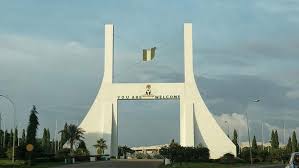
FCT
The Federal Capital Territory Administration (FCTA), through its Department of Outdoor Advertisement and Signage (DOAS), and the Abuja Municipal Area Council (AMAC) have signed a Memorandum of Understanding (MoU) to end years of jurisdictional conflicts.
The agreement, signed on Friday, delineates clear collection responsibilities of taxes, levies and permits on “first-party” outdoor advertisement and signage within the nation’s capital.
The MoU, which copy was forwarded to journalists, stemmed from a long-standing overlap in mandates; that while AMAC is constitutionally empowered to collect such revenues, the FCTA earlier created DOAS to regulate the sector and collect levies, with the revenue shared among the six area councils.
The MoU is aimed at, among other things, “Put a stop to the lingering conflict between parties and to define the area of coverage in respect of the collection of the said revenue.”
The MoU commits both parties to collect revenues within AMAC’s boundaries but assigns specific business sectors to each.
AMAC (first party) is granted exclusive collection rights from brothels, filling stations, gardens, event centres, shopping malls and plazas, workshops, lock-up shops, eateries and restaurants, fashion houses, clubs and pubs and other business premises within AMAC not explicitly assigned to DOAS.
While DOAS (second party) is mandated to collect from banks and other financial institutions, schools, furniture houses, automobile shops, hospitals and construction companies.
According to the MoU, to ensure compliance, a six-member technical committee, with three representatives from each side, would be established, with an AMAC representative serving as chairman, while DOAS would provide the secretary.
The parties also committed to regular dialogue and agreed to seek any Alternative Dispute Resolution (ADR) mechanism that was viable and best suited to resolve any future conflict before pursuing other avenues