
FG begins deployment of CNG vehicles to varsities
The Federal Government has begun the deployment of Compressed Natural Gas-powered buses to Nigerian universities. The initiative which started with the University of Abuja is part of efforts to cushion high transportation costs and promote cleaner energy use on campuses. The project, tagged CNG-Sprout, is the first phase of the Project CNG “Special Palliative Relief […]
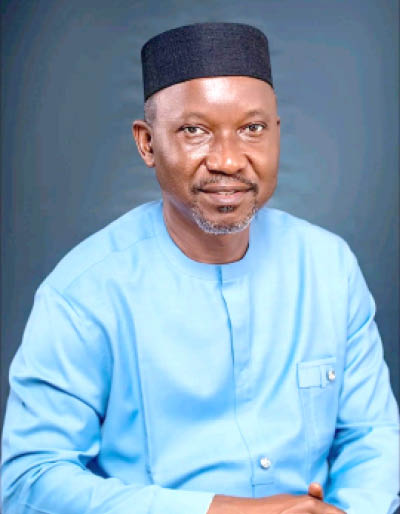
Ekperikpe Ekpo
The Federal Government has begun the deployment of Compressed Natural Gas-powered buses to Nigerian universities.
The initiative which started with the University of Abuja is part of efforts to cushion high transportation costs and promote cleaner energy use on campuses.
The project, tagged CNG-Sprout, is the first phase of the Project CNG “Special Palliative Relief for Universities Transportation”, and is expected to be replicated across 20 federal universities nationwide.
Speaking during the commissioning on Thursday, the Minister of State for Petroleum Resources (Gas), Ekperikpe Ekpo, described the initiative as a timely response to Nigeria’s energy transition and economic realities.
“I hereby commission the Project CNG-Sprout buses for deployment to university campuses across the country. May they serve as vehicles not just of transport, but of hope, relief, and national progress,” he said.
He explained that the initiative was designed to provide immediate palliative relief to students while also aligning with President Bola Tinubu’s broader commitment to energy affordability, environmental responsibility, and transport sector reform.
“As we navigate energy reforms and shift towards cleaner fuels, cushioning the impact on vulnerable populations, particularly students, remains a key national priority,” Ekpo said.
The project is being implemented through the Midstream and Downstream Gas Infrastructure Fund in partnership with FEMADEC Energy Limited, which was commended for completing the first phase of deployment on schedule. Recall that in 2024, the government disbursed N122 billion to six indigenous companies through the MDGIF to improve Nigeria’s gas infrastructure and promote the use of gas in various sectors.
The minister added that the rollout of CNG buses is only the beginning of a wider plan to revolutionise Nigeria’s public transportation system.
“In the coming months, we will be unveiling further incentives for CNG vehicle conversion, expanding refuelling infrastructure, and supporting local assembly and innovation in the CNG value chain. This is not just a transport solution, it is a jobs and industrialisation pathway,” he said.
In his remarks, the MDGIF Managing Director, Oluwole Adama, applauded the President for providing what he termed clear “executive steer” through initiatives such as the Executive Order 40 and the Presidential Initiative on Compressed Natural Gas.
He noted that the rollout of CNG refuelling infrastructure in 20 universities is no small feat, given the time constraints and resource demands.
“As we unveil the first four facilities, here in Abuja, we must congratulate FEMADEC for delivering under pressure and against tight timelines,” Adama said.
Also speaking, the PiCNG Chief Executive Officer, Michael Oluwagbemi, said the launch signified the fulfilment of President Tinubu’s post-inauguration pledge to deploy CNG buses, particularly to tertiary institutions.
“Through this partnership, we are delivering more than just buses and tricycles. We are delivering hope, innovation, and a future-forward solution to the mobility and energy challenges facing our academic communities,” Oluwagbemi said.