
FG begins full implementation of tax laws
The minister of finance and coordinating minister of the economy, Wale Edun on Tuesday in Abuja signed the presumptive tax regulations framework which signals its full implementation. Speaking during the signing, Edun said, “With the signing ceremony for the presumptive tax regulations, Nigeria is transiting from legislation to structural implementation of the tax reforms.” Speaking […]
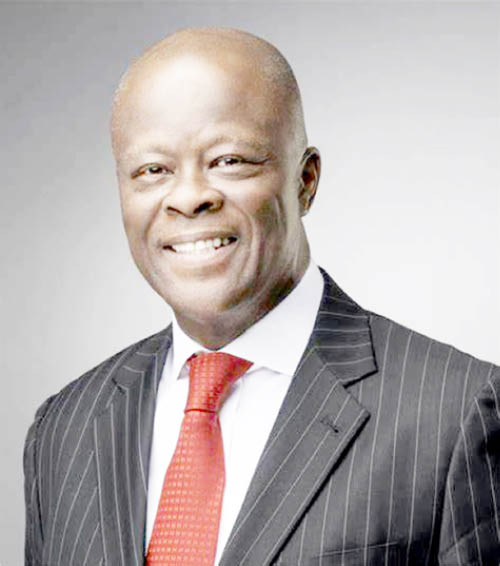
wale edun (finance minister)
The minister of finance and coordinating minister of the economy, Wale Edun on Tuesday in Abuja signed the presumptive tax regulations framework which signals its full implementation.
Speaking during the signing, Edun said, “With the signing ceremony for the presumptive tax regulations, Nigeria is transiting from legislation to structural implementation of the tax reforms.”
Speaking further, he said, “The message of today’s event is anchored on transparency, fairness, clarity, and indeed equity and economic inclusion for all Nigerians. These regulations do provide a simple and transparent framework for the application of the presumptive tax.
“They are issued as shown to the laws vested in my office as the minister of finance and the coordinating minister of the economy under Nigerian tax laws based on the advice of the joint revenue board. Our aim is to ensure consistency, prevent arbitrary assessments based on judgment, and to protect small businesses while ensuring the continuous growth of the Nigerian economy as we have been experiencing in the last two quarters.
“And in particular, the last quarter of 2025, the growth rate was about four percent. It’s headed in the right direction. It’s not quite where we want to be.
“We’re looking at in the immediate term to try to get to seven per cent GDP growth on our way to Mr. President’s clearly stated target for all of us to strive for by 2030. So we are looking to protect small businesses. We are formalizing the framework that will provide small businesses with a structured entry into the formal economy.
“So from small businesses, from informality, we’re looking for them to be able to come into the formal sector to be more formalized and to grow. At the same time, we’ll expand the tax base, not raising taxes, but expanding so that each bears his rightful contribution to all of us. And of course, these regulations were developed in collaboration with the joint revenue board to ensure alignment across the federation.
Also speaking, the Executive Secretary of the Joint Revenue Board, Mr. Olusegun Adesokan said the signing marks a commitment to taxing prosperity and not poverty.
“This framework provides a free vote, a uniform vote, for our subnationals regarding taxation of the informal sector,” he said.
According to him, the new tax laws recognise the principles of equity and fairness by ensuring that the medium and small businesses, with an annual turnover of N50million are exempted from tax. And what this means is that our struggling people at the subnational level will have more disposable capital to run their businesses and eventually move into the tax net. It also introduces a tax rate of 1% turnover on all other categories of informal businesses.
“Apart from encouraging the use of technology for payment of taxes and cash production, it bans all forms of cash production by tax authorities. It also bans the mounting of roadblocks for collection of taxes. And finally, it encourages formalization of the informal sector by putting in place a seamless manner to import them through the tax net platform into the formal sector.
“The subnationals are very grateful that these regulations have been issued today. They constitute the framework for taxing the informal sector, and our people as subnationals will see that this government is truly committed to a fair and equitable tax administration system,” he highlighted.