
FG calls for unified national strategy to empower women, girls
The Coordinating Minister of Health and Social Welfare, Prof Muhammad Ali Pate, has called for a unified national approach to empower women and girls across all sectors. Speaking at a meeting of the Presidential High-Level Advisory Council (P-HLAC) on the Support of Women and Girls in Nigeria in Abuja, Pate stressed the need to align […]
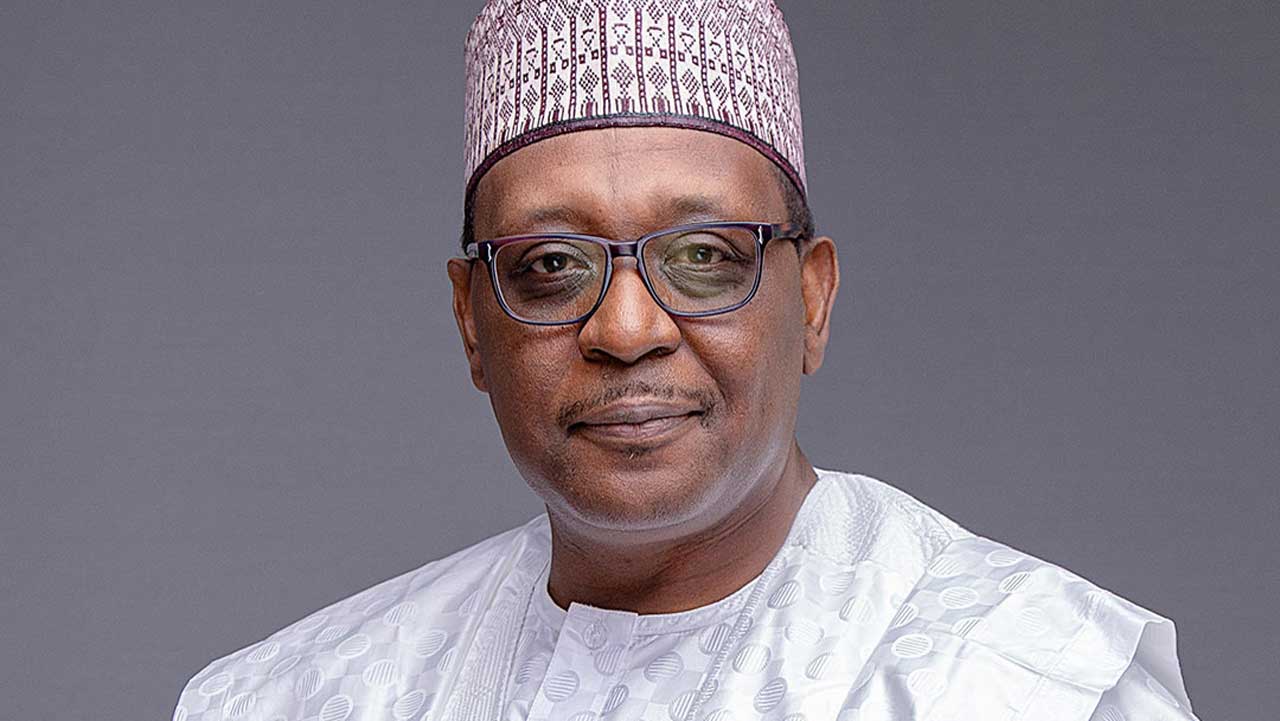
Muhammad Pate
The Coordinating Minister of Health and Social Welfare, Prof Muhammad Ali Pate, has called for a unified national approach to empower women and girls across all sectors.
Speaking at a meeting of the Presidential High-Level Advisory Council (P-HLAC) on the Support of Women and Girls in Nigeria in Abuja, Pate stressed the need to align fragmented initiatives under one coordinated framework.
“We must break silos and collaborate across ministries, the civil society and the private sector under one unified agenda,” he said, noting that the establishment of the P-HLAC is aimed at revitalising and harmonising existing efforts.
According to him, empowering women and girls is essential, not only for gender equity but also for unlocking Nigeria’s demographic potential, improving health outcomes and driving economic growth.
- Air Peace’s Abuja-Asaba flight aborts take-off over technical glitch
- Council of State approves Yusuf as NPC chairman
He emphasised the administration’s “whole-of-life-course” approach under the Renewed Hope Agenda, citing Nigeria’s alarming maternal mortality rate responsible for nearly one in five global deaths as a preventable tragedy.
The minister also highlighted challenges such as gender-based violence, child marriage and limited access to education and health care, urging stronger data systems and accountability mechanisms to monitor progress.
The Minister of Women Affairs and Social Development, Imaan Sulaiman-Ibrahim, described the forum as “a bold step toward ensuring every Nigerian woman and girl can dream, learn, earn and lead with dignity.”
She noted that while Nigeria has made progress, systemic barriers continue to hinder women’s full participation in nation-building.
Despite comprising more than half of the population, women represent only 33 per cent of the labour force and less than 10 per cent of senior management positions, she said.
Sulaiman-Ibrahim unveiled the Strategic Roadmap for the Advancement of Women, Children, Families and the Vulnerable, anchored on 9 programmes under the Renewed Hope Social Impact Intervention 774, requiring N1.6 trillion over five years. The roadmap aligns with the Sustainable Development Goals (SDGs) and focuses on economic empowerment, social protection, digital inclusion and child wellbeing.
She added that the P-HLAC, approved by the Federal Executive Council in 2022, would drive policy implementation through four thematic subcommittees and measurable performance indicators.
“The success of this Council will be judged by the number of lives changed, not meetings held,” she said.
Other speakers, including Hadiza Bala Usman, the Special Adviser to the President on Policy and Coordination, and Rinmicit Temlong-Abokei of Albright Stonebridge Group, underscored the importance of coordination, accountability, and data-driven reforms to sustain recent gains in women’s inclusion and leadership representation.