
FG engages airlines over spike in fares
Minister of Aviation and Aerospace Development, Mr. Festus Keyamo, SAN, has hinted that the federal government would be engaging with the airlines to find out what is responsible for the spike in air fares. Keyamo hinted at this in response to the growing concerns over skyrocketing fares in the domestic air transport market ahead of […]
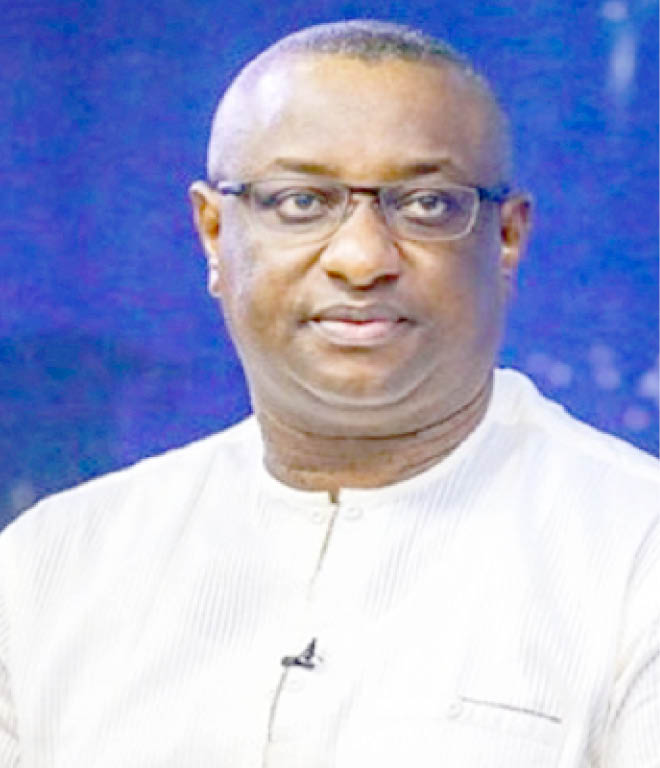
minister of aviation, mr. festus keyamo
Minister of Aviation and Aerospace Development, Mr. Festus Keyamo, SAN, has hinted that the federal government would be engaging with the airlines to find out what is responsible for the spike in air fares.
Keyamo hinted at this in response to the growing concerns over skyrocketing fares in the domestic air transport market ahead of the yuletide.
Daily Trust had earlier reported how the costs of tickets have gone up across the country with a one-way fare hitting N400,000 on some domestic routes.
Airlines and some industry players have also blamed the spike on the high number of taxes and charges paid to the government.
Amidst this development, the International Air Transport Association (IATA) in a new report revealed that airlines paid over $60.4bn in charges and levies to various governments in 2024. IATA is the global body representing airlines carrying more than 90 per cent of global traffic.
In the report titled, “Ticket taxes increase return air ticket prices by USD 30,” IATA said, “Numerous such taxes are applied to airlines’ base airfare, which is set according to market forces. These taxes are paid by the passengers, collected by the airline, and passed on to the relevant government authorities. The average tax is USD 13 per single flight or USD 30 per round trip, including connections.”
IATA further noted that these ticket taxes “contribute little to governments’ revenue but can significantly add to the price of a ticket, which affects affordability, causes policy fragmentation that impacts connectivity, and distorts competition, and harms economic growth and regional development.”
Industry experts who spoke with Daily Trust disclosed that 70 per cent of the cost component of airlines’ tickets in Nigeria were tax-related.
“If you look at the cost of your ticket, you would find that over 70 per cent of the costs are related to taxes and charges. The air fare portion is actually low in number. Then when you start to look at these charges, the industry itself and the consumers are concerned about these charges and saying the federal government needs to review the charges,” he said.
One passenger/industry player who spoke with our correspondent in confidence said he was surprised to see an Abuja-Lagos one-way ticket priced for N450,000.
The Nigeria Civil Aviation Authority (NCAA), the apex aviation regulator, had repeatedly stated that the civil aviation authority does not regulate air fares which have been liberalised and they are often determined by market forces.
However, in a chat with our correspondent, the Minister stated that the government would be engaging with airlines to see what can be done.
In response to Daily Trust’s enquiry, he said, “We are speaking with the airlines to find out what their issues are, but this is a deregulated industry, so we cannot fix prices. What we are trying to do is to encourage competition to force down prices.”