
FG, partners launch $2.2m soil project
The Federal Government, in partnership with the German Federal Ministry for Economic Cooperation and Development and the Gates Foundation, has launched a $2.2 million soil health project in Nigeria. The project tagged “Global Project Soil Matters – Supporting Soil Health Initiatives (SSHI) in Nigeria” is a 3-year project designed to help transform the country’s soil […]
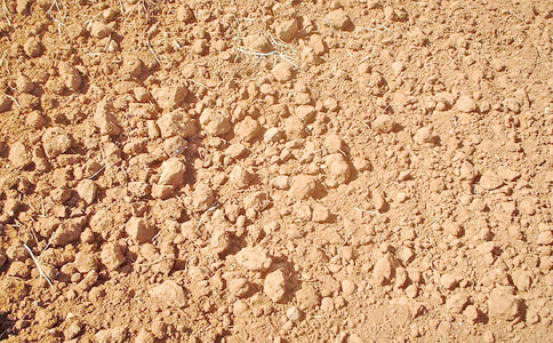
soil
The Federal Government, in partnership with the German Federal Ministry for Economic Cooperation and Development and the Gates Foundation, has launched a $2.2 million soil health project in Nigeria.
The project tagged “Global Project Soil Matters – Supporting Soil Health Initiatives (SSHI) in Nigeria” is a 3-year project designed to help transform the country’s soil health landscape.
Nigeria faces widespread soil degradation driven by nutrient depletion, low organic matter, erosion, and imbalanced fertiliser use.
The Minister for Agriculture and Food Security, Dr Aliyu Sabi Abdullahi, during the launch, said the significance of soil for Nigeria lies in the fact that over 70% of Nigerians rely on agriculture, adding that “the country loses approximately 24 million tonnes of topsoil each year due to erosion and degradation.”
The Minister said that farmers need to understand their soil before they can cultivate it, noting that the initiative will provide Soil Health Cards with crop-and site-specific fertiliser recommendations for the farmers.
Representing the German government, Deputy Head of Mission at the German Embassy, Johannes Lehne, said the “launch comes at a critical moment. Soil degradation remains a major challenge, affecting productivity, farmer livelihoods, and resilience to climate change. Addressing this challenge requires not only investment but also better coordination, stronger partnerships, and improved use of data.”
Dr Teklu Erkossa, Head of Project (DV), SSHI Nigeria, while presenting the soil outlook in Nigeria, said that the current estimates indicate that 30-40 percent of arable land is moderately to severely degraded, resulting in declining crop yields, increased production costs, and heightened vulnerability to climate variability.
He noted that while many organisations are working to address these issues, progress is often slowed because soil data is scattered across different entities and with limited coordination.
The project will be implemented by the GIZ Nigeria, working with a broad network of technical partners, including the International Institute of Tropical Agriculture (managing the regional Fertilizer Hub), the Centre for Agriculture and Bioscience International (data policy), the International Soil Reference and Information Centre (digital soil mapping), and Development Gateway (soil nutrient roadmap), as well as private sector actors like OCP Africa, most of which are members of the Coalition of the Willing.