
FG seek risk-based approach for economic stability
Vice President Kashim Shettima, Minister of Finance Wale Edun, Central Bank of Nigeria (CBN) Governor Olayemi Cardoso, and President of the Chartered Risk Management Institute of Nigeria (CRMI), Kevin Ugwuoke, have called for a national shift towards embedding risk management as a way of life, insisting it must serve as the anchor for Nigeria’s economic […]
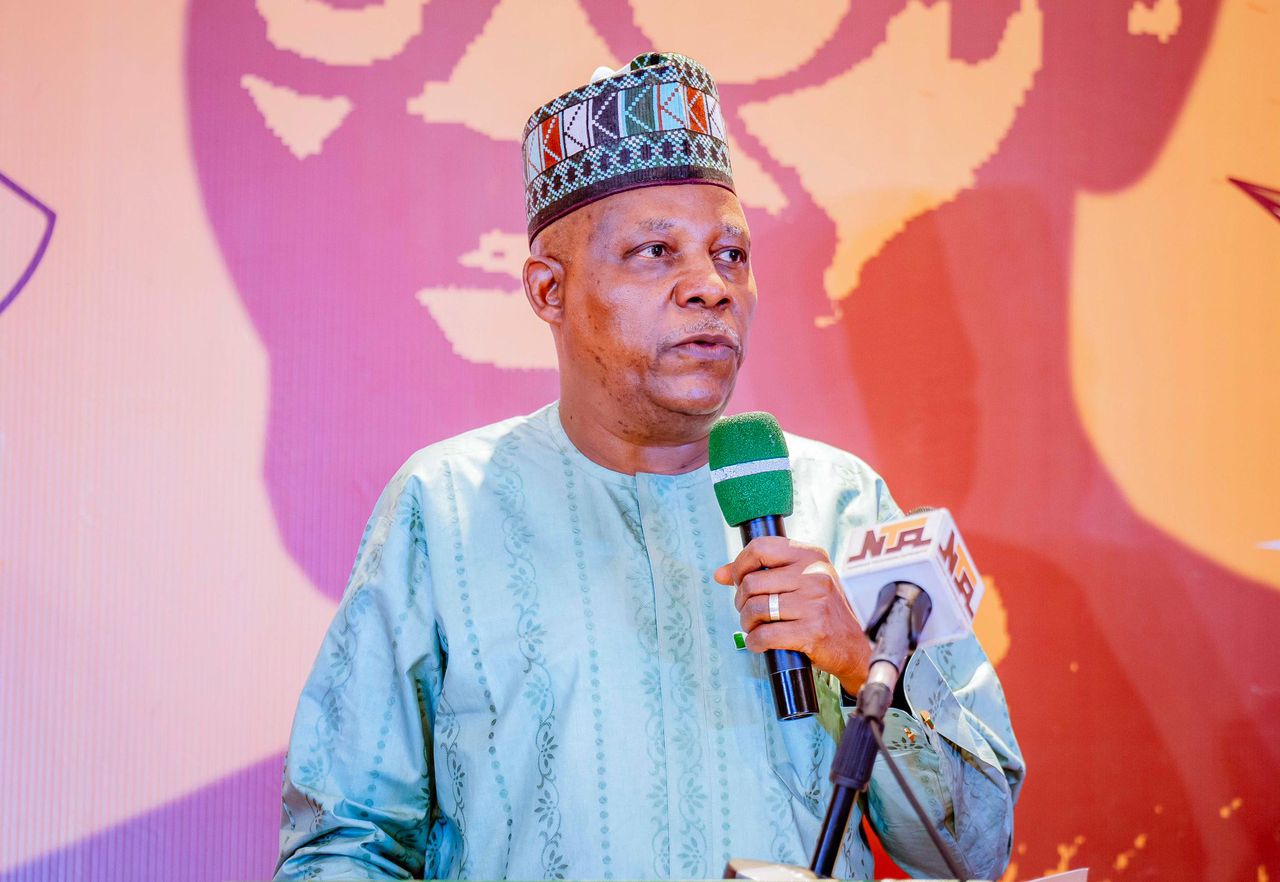
Vice President Kashim Shettima, Minister of Finance Wale Edun, Central Bank of Nigeria (CBN) Governor Olayemi Cardoso, and President of the Chartered Risk Management Institute of Nigeria (CRMI), Kevin Ugwuoke, have called for a national shift towards embedding risk management as a way of life, insisting it must serve as the anchor for Nigeria’s economic resilience in the face of global volatility.
Speaking yesterday in Lagos at the 24th Annual International Conference of the Chartered Risk Management Institute of Nigeria (CRMI), where local and international stakeholders gathered under the theme “Global Risks, Local Solutions,” Shettima cautioned that the threats confronting Nigeria were neither remote nor abstract but immediate—spanning climate change, cybersecurity, and disruptive technologies.
He stressed that building resilience must go beyond government policy, evolving into a national mindset that shapes decisions across households, businesses, and institutions.
Represented by the Technical Adviser to the President on Economic and Financial Inclusion, Office of the Vice President, Nurudeen Zauro, he said: “We live in an interconnected world where climate change, economic instability, cybersecurity, pandemics, terrorism, and disruptive technologies—including artificial intelligence and blockchain—are immediate and ever-evolving. For Africa, these risks are not distant; they are here.”
- Atiku calls for electoral, judicial reforms amidst ongoing voter registration
- 2027: I’m not leaving NNPP but open to talks – Kwankwaso
Cardoso, represented by the CBN’s Director of Risk Management Department, Blaise Ijebor, emphasised that Nigeria’s economy is already being tested by external shocks such as supply chain disruptions, capital flow reversals, and extreme weather events.
He noted that the apex bank’s policy reforms were designed to restore stability by embedding risk-awareness into economic decision-making.
Edun, represented by Finance Ministry Permanent Secretary Raymond Omachi, echoed the call for resilience, saying the government’s economic reforms—including fuel subsidy removal and exchange rate unification—were tough but necessary adjustments aimed at repositioning Nigeria for sustainable growth.