
FG to empower 10,000 women with tricycle, motorcycle loans
The Federal Government has formally launched the 10,000 Women in Mobility Scheme, an initiative of the Nigerian Consumer Credit Corporation (CREDICORP) aimed at expanding women’s economic participation across the country. The programme is designed to empower 10,000 women in the 36 states and the Federal Capital Territory by providing access to mobility assets, including vehicles, […]
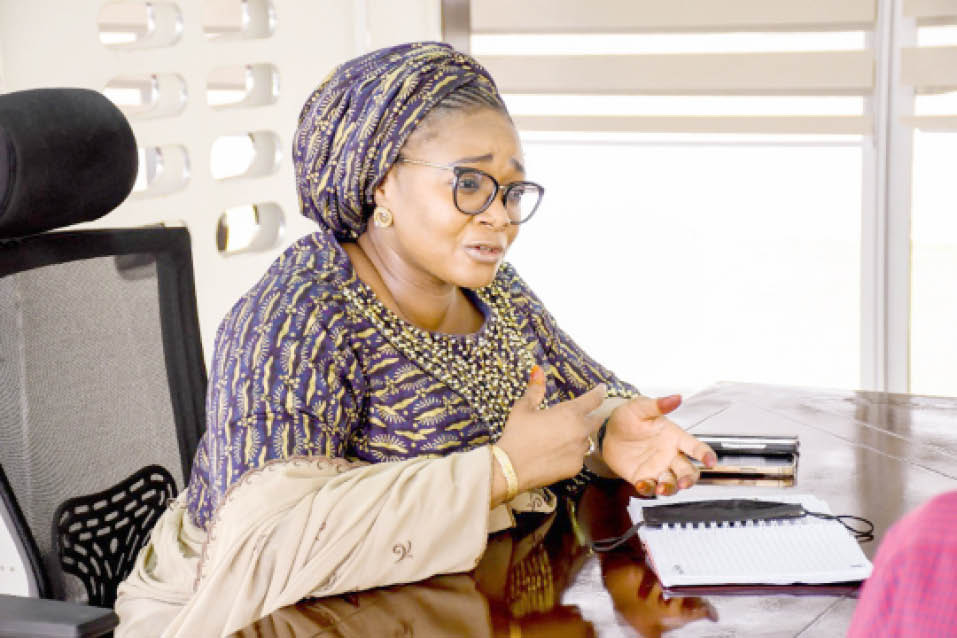
Imaan Sulaiman-Ibrahim
The Federal Government has formally launched the 10,000 Women in Mobility Scheme, an initiative of the Nigerian Consumer Credit Corporation (CREDICORP) aimed at expanding women’s economic participation across the country.
The programme is designed to empower 10,000 women in the 36 states and the Federal Capital Territory by providing access to mobility assets, including vehicles, tricycles (Keke), and motorcycles.
By doing so, it seeks to open pathways for women to participate more actively in transportation, logistics, delivery services, and other mobility-related enterprises, while strengthening their financial independence.
Speaking at the official launch and handover of vehicles to beneficiaries, Minister of Women Affairs, Imaan Sulaiman-Ibrahim, emphasised the need to deliberately open up economic spaces for women to build creditworthiness and achieve long-term financial success.
She revealed that the Abuja pilot phase supported 1,000 women and confirmed that the scheme would be scaled nationwide to reach its full target of 10,000 beneficiaries.
The minister commended the Managing Director of CREDICORP, Engr. Uzoma Nwagba, for advancing inclusive access to consumer credit and translating policy objectives into tangible opportunities for women. According to her, the initiative underscores the Federal Government’s determination to dismantle structural barriers limiting women’s participation in critical sectors of the economy.
She noted that enabling women to own and operate mobility assets not only creates sustainable livelihoods but also helps them build credible financial histories that can unlock future access to credit. She added that women’s economic empowerment delivers far-reaching benefits for families, communities, and national development.
Her words: “It’s an economic empowerment. It’s how much they drive it and how many hours they put into it. There’s no economic effort that is a chicken feed. Mr. President has a goal of a $1 trillion economy, and we have all come together across sectors to ensure that we activate economic spaces and also carry women along.
“Because women are over 50 per cent of the population of this country, and they participate across sectors, so we will like to strengthen their participation so that it translates into value, not just for them and their families, but for the country at large”.
In separate goodwill messages, Minister of State for Labour and Employment, Nkeiruka Onyejeocha; Director General of the National Automotive Design and Development Council, Oluwemimo Osanipin; and National President of the National Council for Women Society, Princess Edna Azura, praised the initiative as timely and impactful. They noted its alignment with national goals on decent work, industrial growth, and gender inclusion.
“Before now, it’s strange for people to say they’re riding commercial tricycles or commercial vehicles, but with Renewed Hope Agenda of Mr. President and from skilling up artisans, you know that every person,whether you’re a man, woman, girl, you can become a driver today. So it’s cutting across the whole sector of the economy,” Onyejeocha said.
Earlier, Engr. Nwagba described the programme as a practical step toward deepening financial inclusion and Nigeria’s consumer credit ecosystem. He explained that CREDICORP is partnering with key stakeholders to integrate financing, asset supply, training, and business support to ensure beneficiaries succeed beyond accessing credit.
Beneficiaries, including Jemila Abdulkadir, Christiana Michael, Maryam Adamu, Sakinat Lawan, and Maryam Abawu, described the scheme as life-changing, pledging responsible use of the assets and full compliance with repayment terms.