
FG to oil marketers: Deregulation must not become avenue for profiteering
Minister of State for Petroleum, Sen Heineken Lokpobiri, has stated that although the price of Premium Motor Spirit, also known as fuel, is determined by market forces, deregulation should not become an avenue for profiteering. Speaking during the general counsel and legal advisers forum 2026 organised by the Nigerian Midstream and Downstream Petroleum Authority (NMDPRA) […]
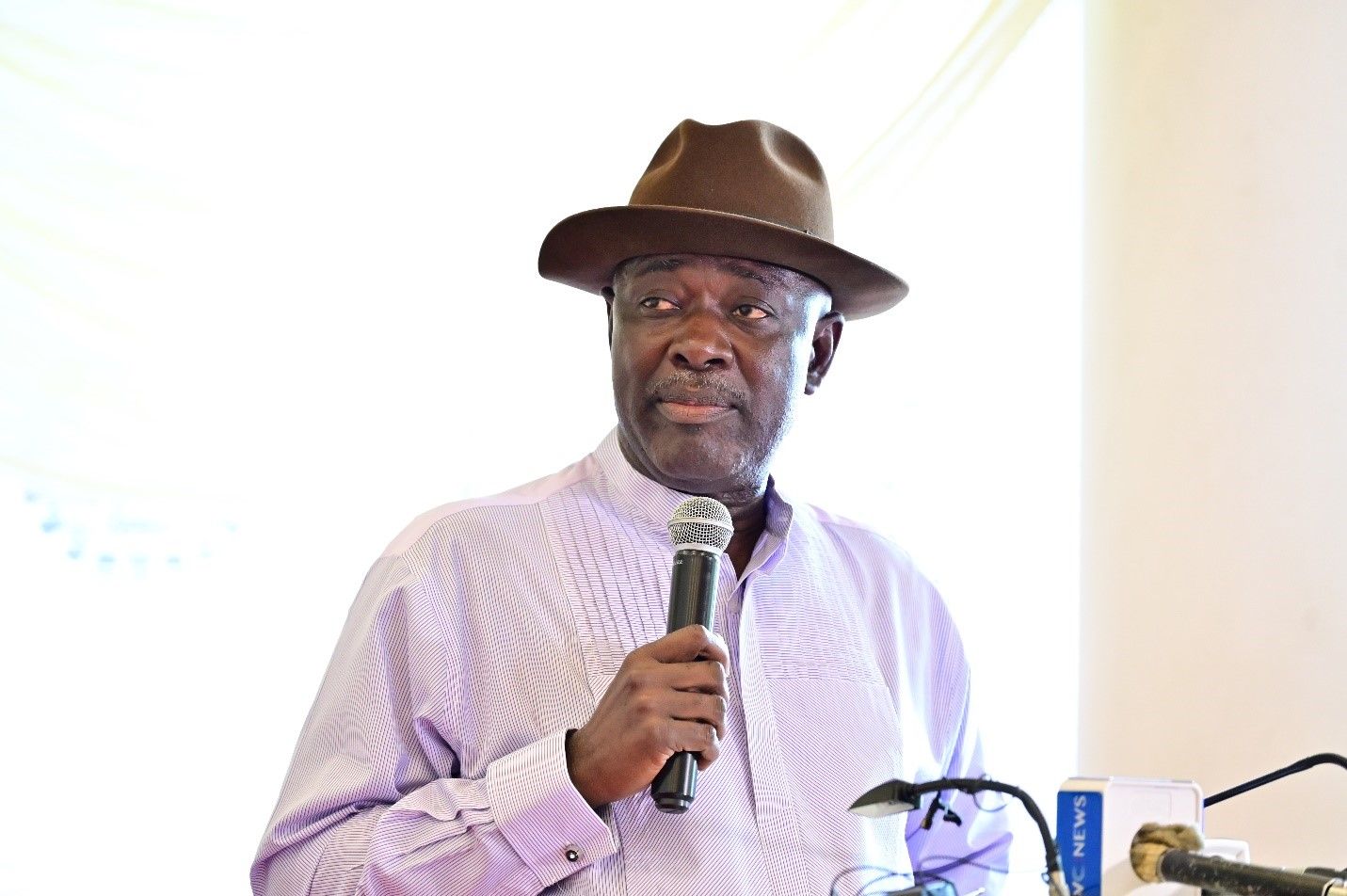
heineken lokpobiri
Minister of State for Petroleum, Sen Heineken Lokpobiri, has stated that although the price of Premium Motor Spirit, also known as fuel, is determined by market forces, deregulation should not become an avenue for profiteering.
Speaking during the general counsel and legal advisers forum 2026 organised by the Nigerian Midstream and Downstream Petroleum Authority (NMDPRA) on Monday in Abuja, Lokpobiri said the 2021 Petroleum Industry Act (PIA) has deregulated the sector, so the government can’t intervene on pricing.
The remarks came amid growing concerns fuel pricing in the downstream sector over. Recently, the Federal Competition and Consumer Protection Commission (FCCPC) raised concerns over what it described as the exploitation of consumers by some, warning that businesses found engaging in unfair pricing practices will face sanctions.
The commission noted that the modest price adjustments are not commensurate with the sharp fall in international crude oil prices, raising concerns about possible exploitative practices in the market.
- 630 Trucks Of Fertilizer procured for three farming seasons, Kano govt clarifies
- President’s Son Shuts down Media outlets in Uganda, mocks Free Press campaign
Lokpobiri, however, said regulatory authorities have to be proactive to ensure consumers are not cheated by operators.
He said, “Following the de-escalation of tensions between Iran and the United States, we expected to see commensurate downward adjustment in the prices of PMS and other petroleum products. However, that has not yet happened. While we believe that market forces will eventually restore equilibrium, the regulator also has a statutory responsibility to ensure that deregulation does not become an avenue for profiteering. This must be done in line with the extant provisions of the Petroleum Industry Act (PIA).”
While emphasising that the sector is now fully deregulated, he said the decision has paved the way for the operationalisation of the Dangote Refinery and other refinery projects currently underway.
“It also ensured that artificial scarcity has become a thing of the past. You can attest to the fact that since 2023 there has been availability of product in the country even with the recent challenges posed by the Us/Iranian conflict.”
The Authority Chief Executive of NMDPRA, Rabiu Abdullahi Umar, said the implementation of the PIA has reached an important stage in Nigeria’s journey, adding that the focus is no longer solely on what the law says but how the law is being implemented and regulations are operating in practice.
He added that when the Authority established the General Counsel and Legal Advisers Forum, it did so in recognition of a simple reality as effective regulation cannot be achieved through regulations alone.
“The most carefully drafted law, the most comprehensive regulation, and the most robust compliance framework ultimately depend on people for their implementation. They depend on the legal advisers who interpret regulatory obligations. They depend on the general counsel who advises boards and management.”
The Authority’s Secretary and Legal Adviser, Dr. Joseph Tolorunse, said regulatory certainty will ensure confidence that investors can make long-term decisions with clarity and help build a petroleum sector that is resilient, competitive and globally attractive.