
FG to sustain $345m COVID-19 health investments as grant ends
The Federal Government has pledged to sustain critical health infrastructure and systems established under the $345 million COVID-19 Response Mechanism (C19RM) Grant as the emergency programme comes to an end. Speaking at the C19RM Grant Closeout Meeting in Abuja, the Coordinating Minister of Health and Social Welfare, Prof. Muhammad Pate, said Nigeria was transitioning from […]
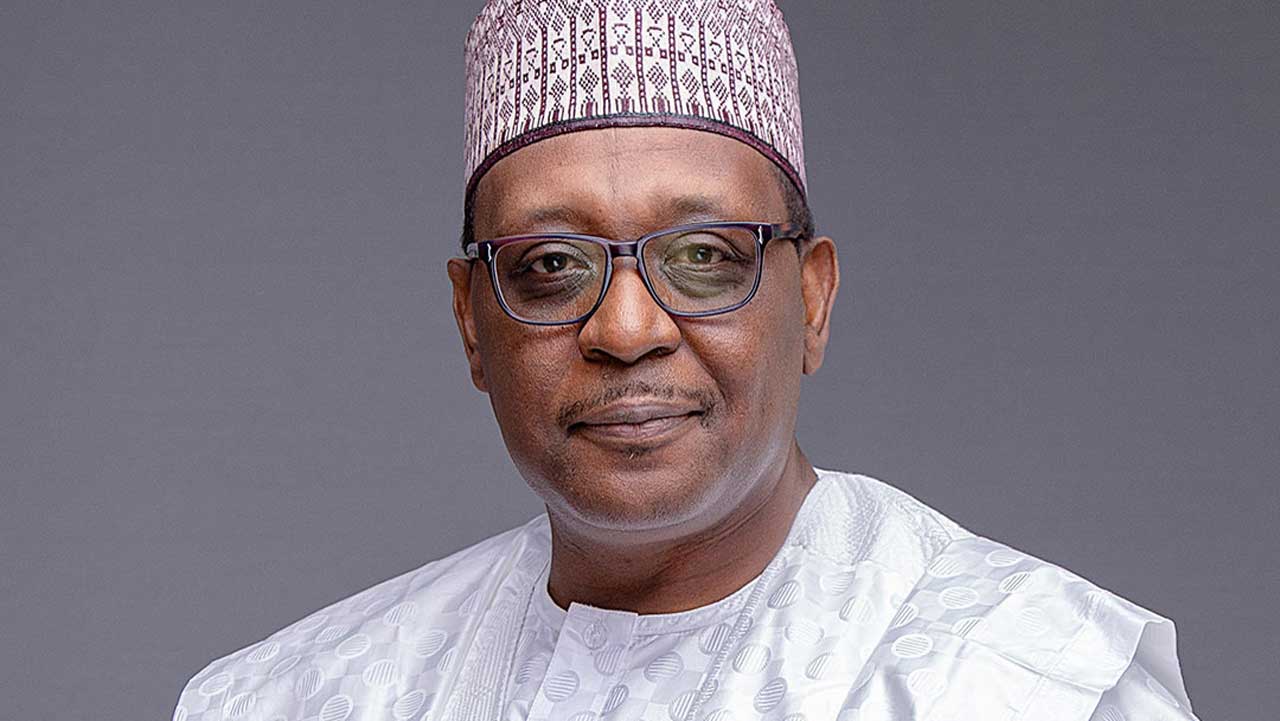
Muhammad Pate
The Federal Government has pledged to sustain critical health infrastructure and systems established under the $345 million COVID-19 Response Mechanism (C19RM) Grant as the emergency programme comes to an end.
Speaking at the C19RM Grant Closeout Meeting in Abuja, the Coordinating Minister of Health and Social Welfare, Prof. Muhammad Pate, said Nigeria was transitioning from emergency response to long-term health system resilience.
Represented by the Director of Hospital Services, Dr Vivian Okafor, Pate said the grant had evolved from an emergency intervention into a strategic investment that strengthened disease surveillance, laboratory networks, oxygen infrastructure, infection prevention and control, supply chains and community health systems.
“The most important lesson from C19RM is that emergency investments must leave behind sustainable systems,” he said, adding that the government would consolidate the gains through domestic health financing reforms, including the Basic Health Care Provision Fund and the National Health Sector Renewal Investment Initiative.
Director-General of the National Agency for the Control of AIDS (NACA), Dr. Temitope Ilori, described the grant as a major boost to Nigeria’s COVID-19 response, saying collaboration among government, development partners, healthcare workers and communities was key to its success.
National Coordinator of the National HIV, Viral Hepatitis and STIs Control Programme (NASCP), Dr. Adebobola Bashorun, said the investments had transformed the health sector through improved oxygen systems, genomic laboratories and pharmaceutical warehouses.
“Nigeria invested in systems that will leave a lasting footprint. The Global Fund will not be here forever, so we must sustain these gains and remain prepared for future outbreaks,” he said.
Executive Secretary of the Country Coordinating Mechanism (CCM), Ibrahim Tajudeen, commended implementing partners for successfully delivering the programme and urged governments and the private sector to take ownership of the investments.
The Global Fund’s Country Portfolio Manager for Nigeria, Dr. Jean-Thomas Nouboussi, described the programme as an unprecedented mobilisation of resources that strengthened laboratories, surveillance, oxygen systems and supply chains, adding that lessons from the intervention would shape future pandemic preparedness investments.
The Managing Director of Nigeria Health Watch, Mrs Vivianne Ihekweazu, emphasised that sustaining the investments was essential for stronger health systems and improved healthcare outcomes.
She said the infrastructure and systems developed under the programme should not be allowed to deteriorate following the grant’s closure.
Representing Jhpiego, Dr. Yemisi Ogundare urged stakeholders to build on the systems established under the grant, while the Managing Director of Nigeria Health Watch, Mrs. Vivianne Ihekweazu, stressed that the infrastructure and reforms should not be allowed to deteriorate after the programme’s closure.
Presentations at the meeting showed that the grant achieved a 97 per cent fund absorption rate and financed the installation of 73 oxygen plants, 12 cryogenic oxygen tanks, oxygen piping in 44 tertiary hospitals, training for over 600 biomedical engineers, more than 40,000 disease surveillance officers, upgrades of six zonal reference laboratories, and the establishment of a national genomic sequencing laboratory.
The C19RM Grant, funded by the Global Fund, was created to support countries’ COVID-19 response while protecting HIV, tuberculosis and malaria services, but evolved in Nigeria into a broader health systems strengthening and pandemic preparedness programme.