
Finance minister: Nigeria will not return to fuel subsidy
Nigeria will not return to the fuel subsidy regime or impose price controls, the Minister of Finance and Coordinating Minister of the Economy, Taiwo Oyedele, has said. The minister stated this after meetings with global investors in Paris, France, where President Bola Tinubu and senior government officials engaged international financiers on Nigeria’s economic outlook and […]
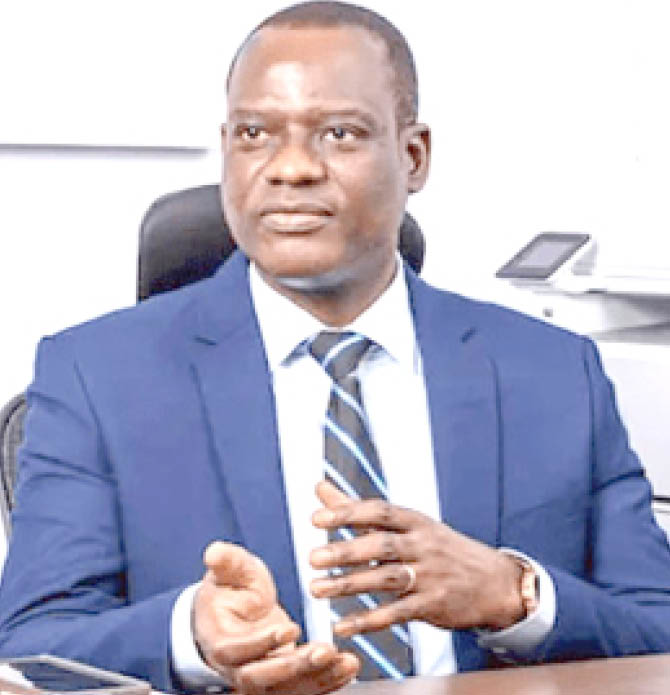
chairman of the presidential tax reform committee, taiwo oyedele
Nigeria will not return to the fuel subsidy regime or impose price controls, the Minister of Finance and Coordinating Minister of the Economy, Taiwo Oyedele, has said.
The minister stated this after meetings with global investors in Paris, France, where President Bola Tinubu and senior government officials engaged international financiers on Nigeria’s economic outlook and reform agenda.
Speaking after the sessions, the minister said the government remains convinced that subsidy payments are harmful to the economy and would not be reinstated.
“We will not bring back subsidies because they create distortions for the economy,” he said.
He also ruled out the possibility of introducing price controls, insisting that the government believes in allowing market forces to determine prices while maintaining regulatory oversight to protect consumers.
“We will not introduce price controls because we believe in markets, while ensuring that regulation is responsible so that no supplier, trader or manufacturer takes advantage of Nigerians,” he said.
According to Oyedele, the engagement with investors focused on the progress recorded so far under the administration’s economic reforms and the next steps required to deepen the measures and improve outcomes.
“We were able to give an overview of the progress we are making, the next areas of focus to deepen the reforms and translate them into results,” he said.
He added that the meetings also gave government officials the opportunity to respond to questions from investors and understand their reactions to the administration’s policy direction.
The Federal Government removed fuel subsidy shortly after President Tinubu assumed office in May 2023, describing the move as necessary to reduce fiscal pressure and redirect public resources to critical sectors of the economy.
The policy, however, triggered sharp increases in fuel prices, transportation costs and inflation, leading to calls from labour unions and some civil society groups for relief measures and greater government intervention.
Despite the concerns, the government has repeatedly defended the reforms, saying they are necessary to stabilise the economy and attract investment.