
FIRS Deepens Engagement with Stakeholders On Withholding Tax Reform
The Federal Inland Revenue Service (FIRS) has intensified its engagement with tax consultants, professional bodies, and compliance experts as part of ongoing efforts to implement the 2024 Withholding Tax (WHT) Regulations and promote voluntary compliance. At a recently convened stakeholder forum in Abuja, the Service reaffirmed its commitment to collaborative tax administration and used the […]
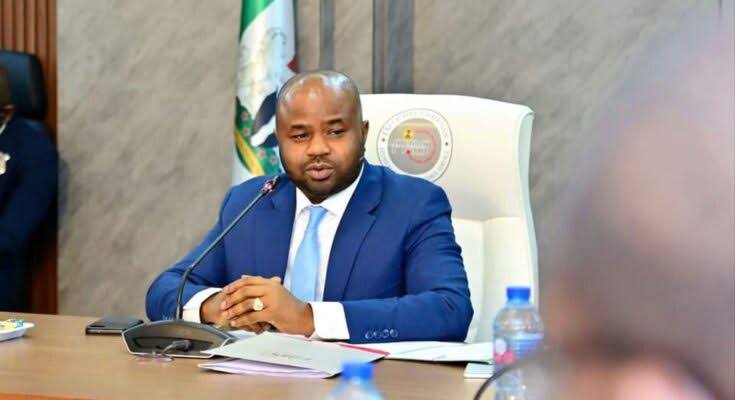
adedeji
The Federal Inland Revenue Service (FIRS) has intensified its engagement with tax consultants, professional bodies, and compliance experts as part of ongoing efforts to implement the 2024 Withholding Tax (WHT) Regulations and promote voluntary compliance.
At a recently convened stakeholder forum in Abuja, the Service reaffirmed its commitment to collaborative tax administration and used the occasion to clarify key provisions of the new WHT framework.
The event, which drew participation from across Nigeria’s tax ecosystem, offered a platform for dialogue on deduction obligations, exemptions, installment plans, and improved compliance protocols.
The 2024 WHT Regulations are a cornerstone of FIRS’s reform agenda aimed at modernizing Nigeria’s tax environment, reducing administrative burdens, and aligning domestic practices with global standards.
The reforms also target increased efficiency and transparency, especially for small and medium-scale enterprises.
Tax consultants in attendance lauded the initiative, describing the forum as timely and crucial for bridging the gap between policy and practice.
They noted that direct engagement with FIRS enhances clarity and helps practitioners provide better advisory services to clients.
Speaking at the event, Collins Osagie Omokaro, Special Adviser on Communications and Advocacy to the FIRS Executive Chairman, Dr. Zacch Adedeji, said the engagement reflects the leadership’s vision for a responsive and people-centered tax system.
“The Executive Chairman has made it clear that effective tax administration must be built on dialogue and understanding. These forums provide us with an opportunity to offer clarity, listen to feedback, and work collaboratively with taxpayers to improve outcomes. That is how we build trust and ensure long-term compliance,” Omokaro stated.
The forum also featured the recognition of top-performing taxpayers who have demonstrated excellence in compliance and timely remittances—highlighting FIRS’s emphasis on transparency and civic responsibility.
As Nigeria moves toward a more inclusive and efficient tax regime, the FIRS has pledged to sustain its engagement with professionals and stakeholders, promote taxpayer education, and uphold service excellence across the board.