
Food prices rise as headline inflation declines
Although there was slight drop of 0.59 per cent in headline inflation in November, food inflation which is a key component of the entire inflation figure, rose by 18.3%, Daily Trust reports. Headline inflation declined from 15.99% in October to 15.40% in November indicating the 0.59% drop, according to the National Bureau of Statistics (NBS) […]
Food security
Although there was slight drop of 0.59 per cent in headline inflation in November, food inflation which is a key component of the entire inflation figure, rose by 18.3%, Daily Trust reports.
Headline inflation declined from 15.99% in October to 15.40% in November indicating the 0.59% drop, according to the National Bureau of Statistics (NBS) Consumer Price Index (CPI) for November released by the Statistician-General of the Federation, Dr Simon B. Harry, at a press briefing on Wednesday in Abuja.
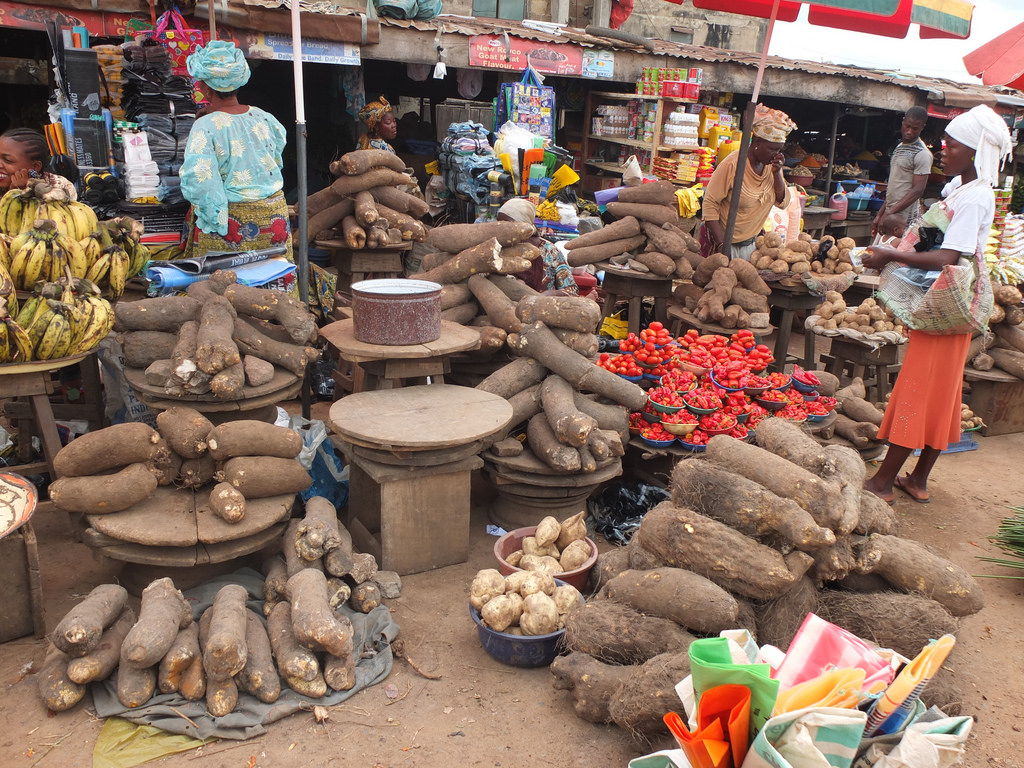
The CPI measures the inflation rate. However, Dr Harry said the Composite Food Index rose by 18.30% in November. He said the increase in the food index was caused by increases in prices of bread and cereals, fish, food products such as yam, potatoes and other tubers, oil and fats, milk, cheese, eggs and coffee as well as tea and cocoa.
He said the highest increases in the commodity “were recorded in prices of gas, liquid fuel, garments, vehicle spare parts, passenger transport by road, non-durable household goods, jewellery clocks and watches and passenger transport by air, among others.”
All items inflation in states saw Gombe (18.54%) with the highest inflation on year-on-basis, followed by Jigawa (17.54%) and Nasarawa (17.43%), while Kwara had (11.73%), Rivers (13.36%) and Edo (13.50%) which is the slowest rise.
Dr Harry explained that headline inflation has seen a consistent drop from an eight-month high of 18.12% in April due to measures put in place by the federal government. He noted that the decline portends favourable conditions of the economy that would see inflation come down to a bearable level.
When asked on the justification of the decline in inflation while food prices continue to rise, the NBS head said getting an accurate picture would require visiting the inflation figures of preceding months.
“You will have to go back to what happened between the months of July and August, August and September, September to October, October and November and then we need to examine the margins in between and from there you will be able to establish that the decrease is totally a decrease but in an increasing way.
“The various sub-components have to do with composite index that involve food index, co-inflation, overinflation, rural inflation, and they all have various components.”
On how the data was generated, he said, “key in the construction of the price index is the selection of the market basket of goods and services. Every month, 10,534 informants spread across the country provide price data for the computation of the CPI.”
The Daily Trust Board of Economists, rising from its recent meeting, urged the government to take more concrete actions to address rising food inflation while tackling the spate of insecurity to ensure that food production and supply is sustained.