
From survival to success: How Yobe women are growing poultry farming
Although commercial poultry farming is widely regarded as a male-dominated venture, women play a significant role in the sector, particularly at the household level. In Yobe State—one of the epicentres of the Boko Haram insurgency—married women are increasingly turning to poultry farming as a means of rebuilding their lives. For many, it has become a […]
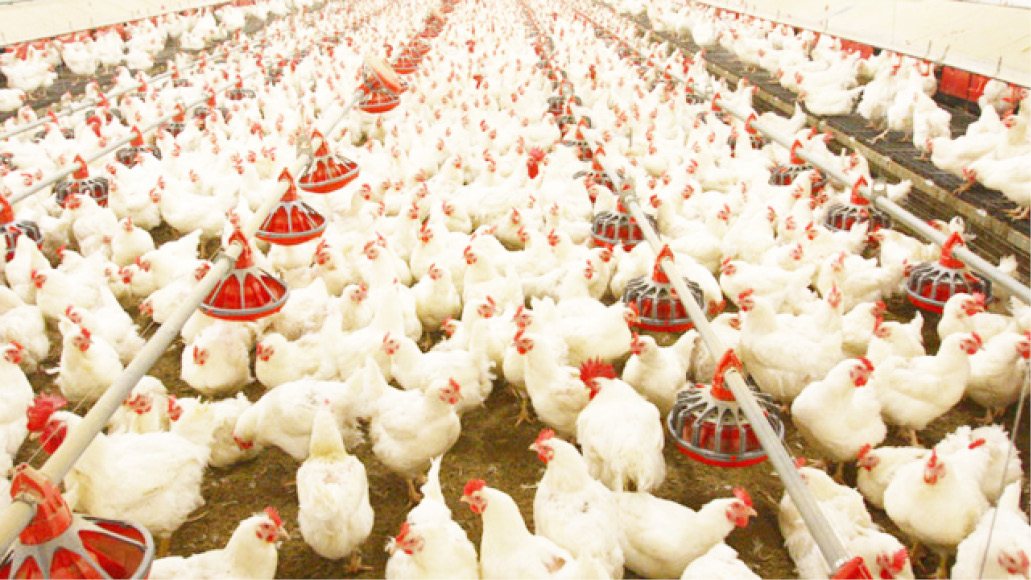
FILE PHOTO: Poultry farm
Although commercial poultry farming is widely regarded as a male-dominated venture, women play a significant role in the sector, particularly at the household level.
In Yobe State—one of the epicentres of the Boko Haram insurgency—married women are increasingly turning to poultry farming as a means of rebuilding their lives. For many, it has become a reliable source of income, helping to reduce poverty while enabling them to invest in other ventures that support their families.
Fanna Musa Isah, a trained health worker, told Daily Trust how she returned to school to sharpen her skills and pursue her passion for poultry farming.
“I have a diploma and a bachelor’s degree in Environmental Health, but because of my passion for poultry farming, I gained admission into the Yobe State College of Agriculture in Damaturu to study poultry production.
“After completing the programme, I started the business with 10 birds. With time and dedication, I grew the number to 300.
“These include layers, broilers and noilers. I harvest about two crates of eggs daily and sell broilers after six weeks of rearing.
“I have been in this business for more than 10 years. Although I am a civil servant, poultry farming has become an important source of income for me. It has changed my life—I pay my bills and support my family with it,” she said.
Findings by Daily Trust revealed that many women poultry farmers in the state operate from their backyards, often with little or no support from government or non-governmental organisations.
Fatima Mustapha began poultry farming in 2013 with just 10 chickens, but her journey was disrupted by insurgency. She and her husband were displaced by Boko Haram attacks and sought refuge in Bauchi State.
Despite the setback, she remained resilient.
“I started this business in 2013 with 10 birds, but after the attacks in Damaturu, my husband and I fled to Bauchi State. The birds died because no one was left to care for them as the town became deserted.
“After normalcy returned, I bought another 10 birds and restarted the business. Now, I raise more than 50 birds, including noilers and broilers.
“The noilers provide eggs, which I sell to support my family, relatives, and to cover feed and vaccination costs. The business has reduced my dependence on others,” she said.
Beyond personal income, successful poultry farmers in the state are strengthening their communities by encouraging more women to become self-reliant. This, in turn, is increasing their economic independence and decision-making power within their households.
Malama Aisha Musa, a veterinary doctor and poultry expert, told Daily Trust that she has trained more than 20 women over the past eight years.
“I started poultry farming about eight years ago after completing my National Youth Service Corps. I began with 10 to 20 birds and a small cage. Today, I have expanded to over 300 chickens.
“I rear both broilers and layers. I also supply day-old chicks, engage in brooding, and sell poultry products. I have encouraged many women, including almajirai, to venture into poultry farming, and many of them are doing well.
“We want the government to support these women with capital and mentorship. This will boost their businesses and help reduce poverty—not only for the women directly involved but also within the wider community,” she said.
Another farmer, Malama Aisha Auwal, who was cleaning her poultry cage while awaiting a new batch of birds after selling out her stock during Ramadan and the Eid celebrations, said she produces up to four crates of eggs daily from about 150 birds.
“Only God knows how rewarding this business is. It is very profitable, especially if you have the knowledge and skills. I have been in this business for over 13 years, raising noilers, broilers and layers depending on circumstances.
“I usually harvest three to four crates of eggs daily when weather conditions are favourable. During harsh weather, production drops to about one and a half crates. We can meet the demand for eggs and poultry meat in the market,” she said.
Halima Abdullahi Isa, a resident of Obasanjo Estate in Damaturu who has been rearing broilers for eight years, said government support is crucial for expansion.
“Although we have some capital, it is very small. We need government support to expand, build larger cages, and increase the number of birds we rear.
“The government should also help connect us to reliable markets and buyers. Currently, some buyers do not pay market prices, and this affects our profits. We need access to better markets where we can sell our products at fair value,” she said.
With sustained commitment, resilience, and the right institutional support, these women could become a major force in meeting the growing demand for eggs and poultry meat across the state.