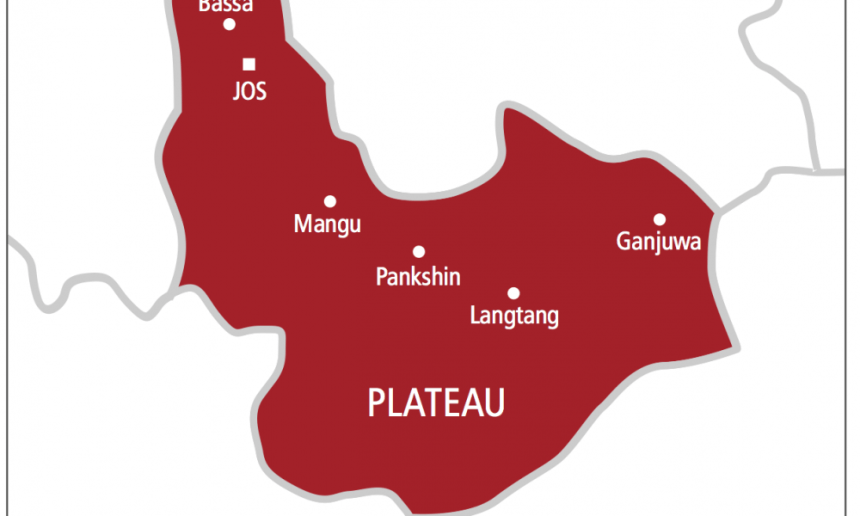
Brig. Gen. G. Shipi (rtd), Special Adviser on Security to the Plateau State Governor, Caleb Manasseh Mutfwang, has said that the Fulani are among the indigenes of the state. According to the security adviser, those who claim that members of the Fulani group are not indigenes of the state should disregard such a claim, urging […]
Brig. Gen. G. Shipi (rtd), Special Adviser on Security to the Plateau State Governor, Caleb Manasseh Mutfwang, has said that the Fulani are among the indigenes of the state.
According to the security adviser, those who claim that members of the Fulani group are not indigenes of the state should disregard such a claim, urging them to recognize that the Fulani are an integral part of the state.
Shipi said this on Wednesday during a one-day sensitization programme on peace and peaceful coexistence at the Sharna Palace, Jos, which brought together men and women of Fulani extraction from all 17 local government areas of the state.
“Whenever something happens, you see people rushing to inform the soldiers or the police but they will not tell me and Plateau Peace Building Agency. We are the representatives of the government not the soldiers. If your cattle are rustled or killed and you don’t tell us but rush to GOC, later you say the government has not done anything about it. You didn’t tell the government.
“Soldiers are representatives of the federal government and not state government. I always advise you to inform me when something happens to you. Yes, the soldiers and the police are doing their best but they have their limitation… “People are recruited based on their states. If there are Fulani that want to join military, bring their names . We will include them in the list for Plateau state.
“If people try to push you out, try to bring yourself back because you are indigenes of the state. Are you not? Nobody should tell you that the state doesn’t belong to you. Whoever says you are not from the state, tell them no, you belong to the state,” the adviser said.
General Shipi however urged the members of the Fulani to enroll their children in schools, explaining that education is very important to the development of their community, state and the country at large, stressing the need for people to forget the past and ensure they live peacefully with one another.
“People should always be patient. The governor has listening ears. I promise to report all your complaints to him,” he said, cautioning the leaders of the group to watch their utterances for sake peace and unity in the state.
Speaking during the event, Director General of Plateau Peace Building Agency, Julie Sanda, cautioned against retaliatory violence, emphasizing that reprisals would not provide solutions to the underlying issues.
Sanda instead, advocated for peaceful resolution, dialogue, or other non-violent means to address the decades of conflicts in the state.
She said, “Dialogue and other non violent means are the way forward. Let us live together. Conflict will always be there but how do we resolve them is the problem. Let us resolve them in a non violent manner. The issue of reprisal will not help us.
“We need peace so that we can work for our economic development. We should all be on one side. Let us call a crime a crime and call law enforcement agencies to take action and to stop taking the law into our own hands. Ions of our co-value is inclusion. We don’t want anybody behind.”
Speaking earlier, the Emir of Wase and State Chairman of Jama’atu Nasril Islam (JNI), Alhaji Muhammadu Sambo Haruna, urged herders to avoid farm destruction and other crimes that could tarnish their religion and tribe, empathizing that “I feel shame whenever I heard of crimes committed by fellow Fulani and Muslim, because such actions reflect poorly on their tribe and faith.”
The Emir said although not all crimes are committed by Fulani and not all reports of crimes are true, he pleaded with the herders to remain peaceful, reminding them that they would all be accountable for their deeds on the Day of Judgment.