
Give Nigerians potable water
On March 22, 2025, the World Water Day, under the theme, ‘Water for Peace,’ was observed. This theme underscores the critical role that access to clean water plays in fostering societal harmony and development. But across Nigeria’s 36 states, millions of citizens face a daily struggle to obtain safe drinking water—a crisis that undermines public […]
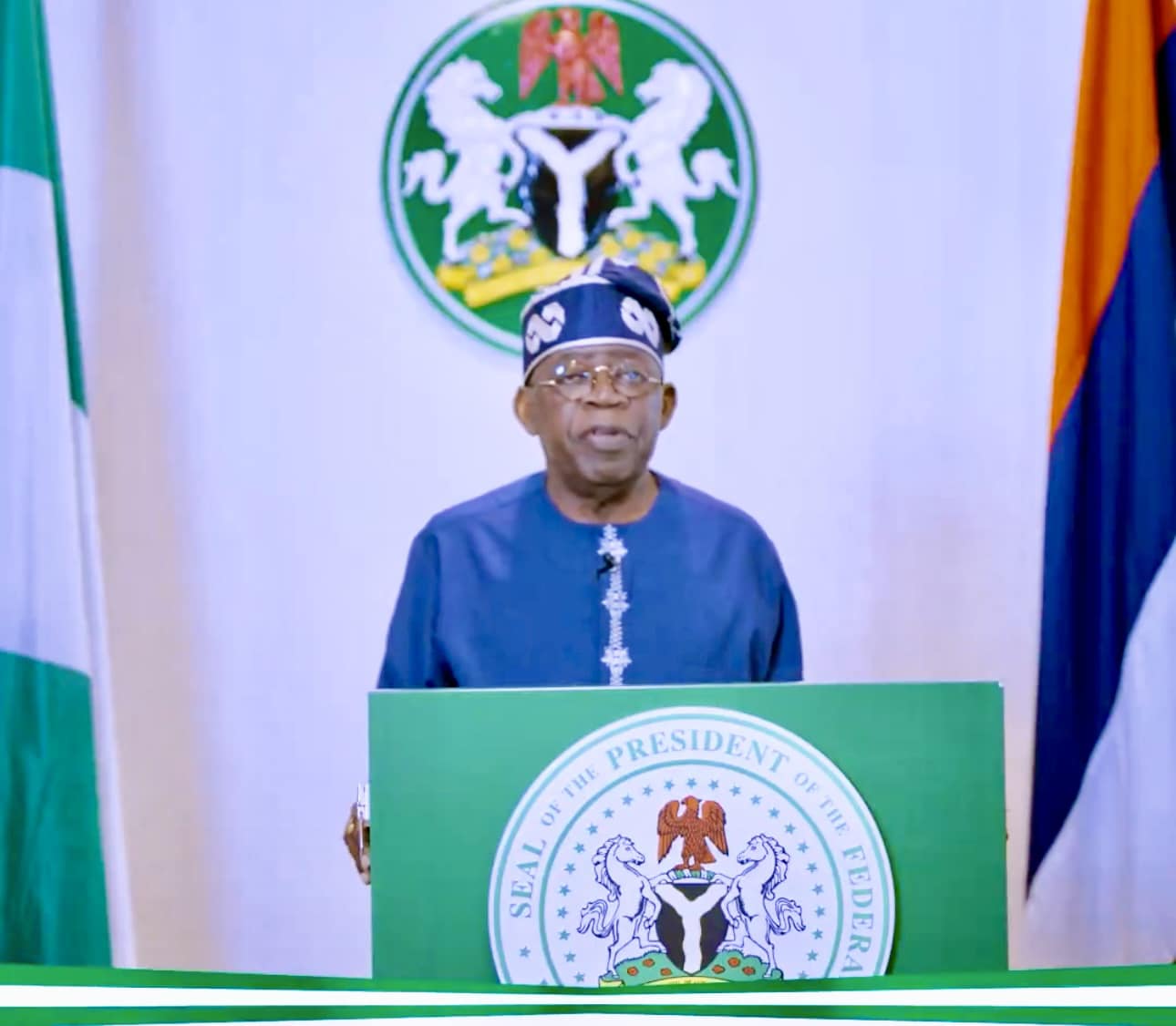
President Bola Ahmed Tinubu
On March 22, 2025, the World Water Day, under the theme, ‘Water for Peace,’ was observed. This theme underscores the critical role that access to clean water plays in fostering societal harmony and development.
But across Nigeria’s 36 states, millions of citizens face a daily struggle to obtain safe drinking water—a crisis that undermines public health, education and economic stability.
To mark the World Water Day, this newspaper ran a lead story titled, ‘64 years after, clean water still a mirage for Nigerians.’ It captures the heartrending experiences of citizens, especially those in rural areas who rely on untreated water from rivers, streams, wells or ponds for their domestic use. Sometimes, they have to share the streams and rivers with animals.
This is despite decades of endless budgetary allocations by government at all levels, in addition to significant foreign support and loans for water supply in Nigeria by the World Bank for initiatives like the National Urban Water Sector Reform Programme (NUWSRP) and the Nigeria Sustainable Urban and Rural Water Supply, Sanitation and Hygiene Programme (SURWASH).
- THE BEARING: Why Most Hausa Women Do Not Call Their Husbands By Their Given Names
- Opposition coalition should worry Tinubu – Ndume
Needless to mention the involvements of the African Development Bank (AfDB), the United States Agency for International Development (USAID), UNICEF, WaterAid, Agence Française de Développement (AFD), European Union (EU) and the Japanese JICA, among others, in water infrastructure projects in Nigeria.
But where is the result? The ‘Water Sanitation and Hygiene National Outcome Routine Mapping’ (WASH NORM) report, conducted in collaboration with the National Bureau of Statistics and UNICEF, reveals that approximately 60 per cent of Nigerians or roughly 110 million people lack access to safe drinking water.
Unfortunately, different data indicated that there are over 300 large, medium and small dams, which have been constructed in Nigeria for various purposes.
Apart from River Niger and River Benue, there are also numerous smaller rivers and lakes scattered throughout the country. This means there is water everywhere but there is none for the hapless masses to consume!
In both urban centres and rural communities, Nigerians are compelled to source water from contaminated ponds, swamps and other unprotected sources. This dire situation has led to increased incidents of waterborne diseases, such as cholera and diarrhoea, contributing to Nigeria’s alarmingly high child mortality rates.
A UNICEF report indicated that approximately 102,000 Nigerian children under the age of five die annually from diarrhoea, with 90 per cent of these deaths directly linked to unsafe water and inadequate sanitation.
The education sector is equally impacted. A staggering 83 per cent of Nigerian schools lack access to basic water supply and improved sanitation facilities. This deficiency not only exposes students to health risks but also hampers school attendance and enrolment, particularly among girls who require private and hygienic sanitation facilities.
The root of this crisis lies not in the scarcity of resources but in the misallocation of priorities and pervasive corruption. Successive governments have favoured projects that offer opportunities for financial kickbacks over investments in critical water infrastructure. This neglect has led to the deterioration of existing facilities and stalled the development of new water supply systems, perpetuating the cycle of water scarcity and its associated hardships.
We at Daily Trust believe that authorities at national and sub-national levels must prioritise water infrastructure and cultivate the culture of maintenance of water supply systems at the forefront of their agendas. These include rehabilitating existing dams and constructing new facilities to ensure equitable water distribution.
They must also combat graft in the sector by implementing stringent anti-corruption measures to ensure that funds allocated for water projects are used appropriately. Transparency and accountability must be enforced to prevent the diversion of resources.
Of equal importance is community engagement in the planning and management of water projects. This is because empowering citizens fosters a sense of ownership and ensures that projects meet the specific needs of the populations they serve.
Besides, the federal and state governments should gradually encourage public-private partnerships to mobilise additional funding and expertise for water infrastructure, in addition to launching nationwide campaigns to educate citizens on water conservation practices and the importance of maintaining sanitation facilities.
Another important action that should be taken is the adoption of a holistic approach that considers the sustainable management of water resources, balancing human needs with environmental preservation.
It has been established that over-extraction of groundwater through numerous boreholes can lead to the depletion of aquifers, the underground water sources that sustain communities and ecosystems. This can result in reduced water levels, drying up of wells and even potential loss of access to water for both human and environmental needs.
In areas with already stressed water resources, unregulated borehole proliferation can exacerbate water scarcity and conflicts over water access.
Nigerian leaders must come to terms with the fact that water is not merely a commodity; it is a fundamental human right and a cornerstone for peace and development. The current water crisis in Nigeria is a glaring indictment of governmental neglect and misplaced priorities. Immediate and sustained action is imperative.