
GMOs not endorsed in cashew roadmap – NCAN
The National Cashew Association of Nigeria (NCAN) has said that the suggestion that the Cashew Roadmap introduces GMOs by some stakeholders in the media was misleading and unfounded. “The roadmap does not endorse or promote genetically modified organisms. What it supports is the distribution of certified improved hybrid seedlings developed by Nigerian research institutions to […]
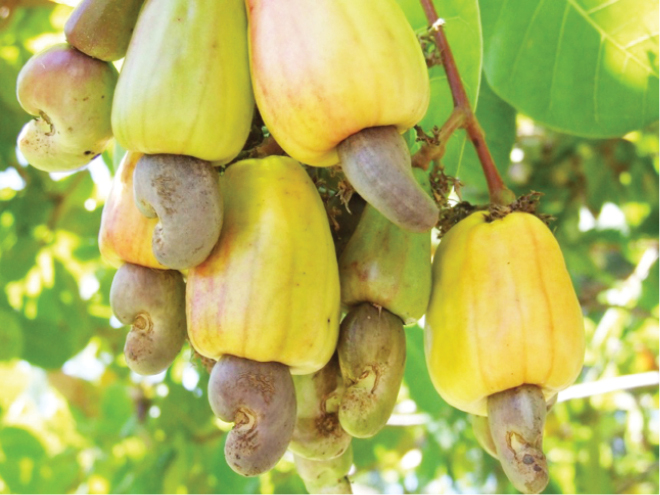
The National Cashew Association of Nigeria (NCAN) has said that the suggestion that the Cashew Roadmap introduces GMOs by some stakeholders in the media was misleading and unfounded.
“The roadmap does not endorse or promote genetically modified organisms. What it supports is the distribution of certified improved hybrid seedlings developed by Nigerian research institutions to enhance yield, quality, and resilience. Any claim to the contrary is a misrepresentation of facts,” the cashew farmers said in a statement by its national president, Dr Ojo Ajanaku.
Ajanaku said, “NCAN’s position is clear: the Cashew Roadmap must undergo a transparent review by a Technical Working Group (TWG) comprising the Federal Ministry of Industry, Trade and Investment (FMITI), the Federal Ministry of Agriculture and Food Security (FMAFS), and NCAN. This position is not unilateral; it is the resolution jointly agreed upon by both ministries and NCAN. Any attempt to bypass this agreed process undermines due process and stakeholder trust.
“The farmers called for a review because consultations conducted did not fully capture the realities of all segments of the value chain, especially farmers and indigenous processors. This is precisely why NCAN has insisted on a TWG review to ensure that the final Roadmap reflects the aspirations and priorities of the entire cashew industry, not just a few interests.”
- External reserves hit $42bn amidst rise in hydrocarbon revenue
- Jaiz Bank eyes N34bn gross earnings in Q4 2025
The statement said the “delay in finalizing the roadmap is not attributable to NCAN. Rather, it reflects the need for careful harmonization to ensure credibility, sustainability, and broad acceptance. A hurried and flawed policy document would be counterproductive and harmful to the long-term development of the sector.”