
Governor Mutfwang’s call on withdrawal of troops misplaced
Recently on a visit to the village of Ta-Hoss in Riyom Local Government Area of Plateau State to condole the families of the 27 persons killed in the latest orgy of killings and counter killings that has gripped the state, Governor Caleb Mutfwang was reported to have requested the military to hand over security operations […]
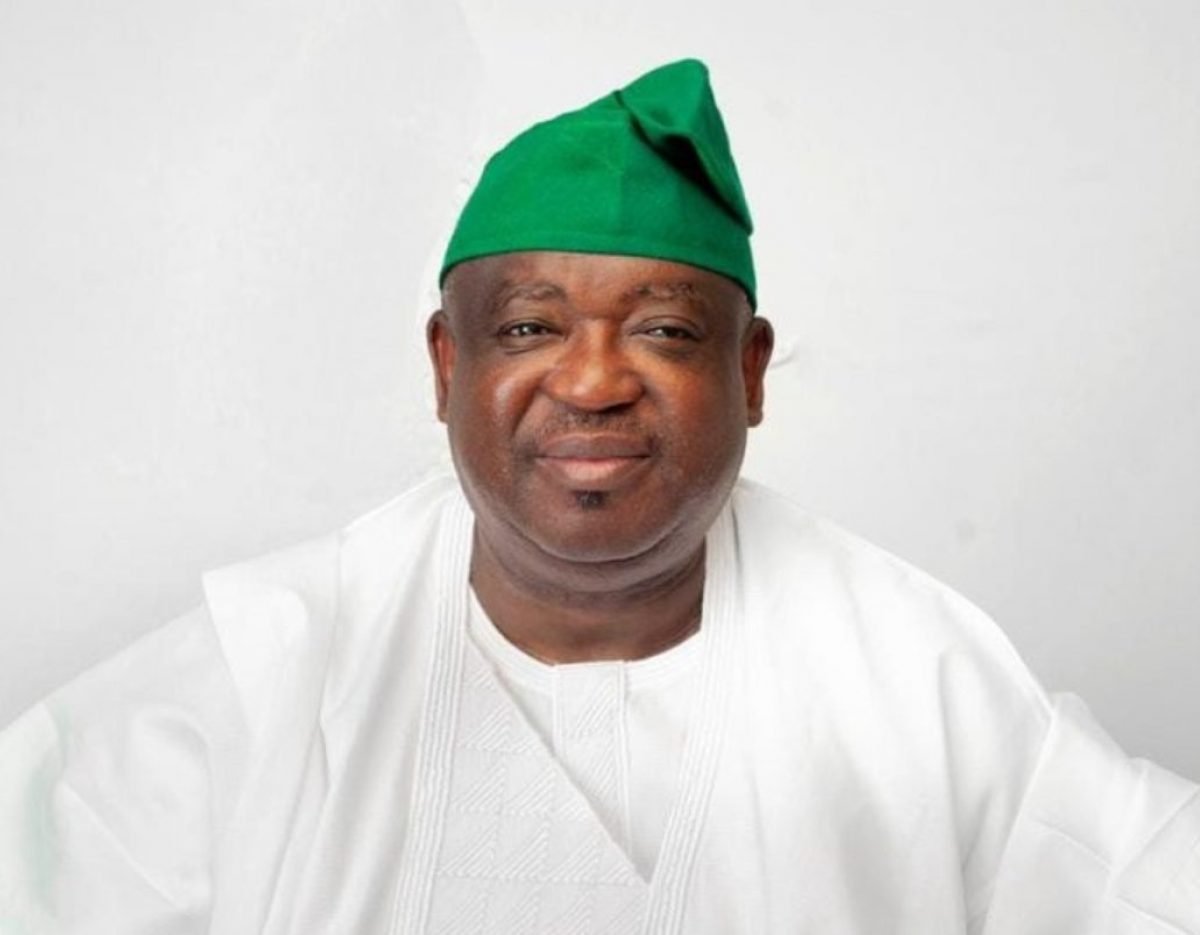
Gov Caleb-Mutfwang
Recently on a visit to the village of Ta-Hoss in Riyom Local Government Area of Plateau State to condole the families of the 27 persons killed in the latest orgy of killings and counter killings that has gripped the state, Governor Caleb Mutfwang was reported to have requested the military to hand over security operations in the area to the Mobile Police of the Nigeria Police Force.
The governor made this request in a statement on his behalf by his special adviser on peace and security, Professor Chris Kwaja. He also asked the Chief of Defence Staff, General Christopher Musa to set up a special board of inquiry to investigate the recurring attacks, the actions and inactions of military personnel stationed in the area. The governor wondered how 27 persons were killed despite the military checkpoint stationed in the vicinity.
In calling for the replacement of the military with the Mobile Police, Governor Mutfwang also requested that the federal government support state security initiatives like the Plateau State’s Operation Rainbow to tackle the security challenges in the state. “This change in approach is necessary to ensure a more effective and responsive security strategy that prioritises fighting against asymmetrical warfare, which the Mobile Police is conversant with,” says Governor Mutfwang.
Against the background of continuing killings in Plateau state, Governor Mutfwang’s call is understandable but not necessarily the right way to go. An investigative report carried by this paper found that within the past three weeks alone, no less than 48 persons have been gruesomely killed in Riyom, Barkin Ladi and Bokkos Local Government Areas of the state with most of the victims being children, women and the aged and infirm. We can also understand further that right from his swearing-in to date Governor Mutfwang had been facing repeated incidences of needless killings even in his local government of Mangu.
We hasten to add also that tragic as it is, Governor Mutfwang’s situation is not peculiar. Across the country, state governors have always complained that as they are not vested with the control of security institutions located in their states which take their orders and operation guidelines at the federal level, they are invariably handicapped in tackling security challenges that come up from time to time.
In the particular case of Plateau, which has been a major flashpoint of security challenges for quite some time now, the federal government in conjunction with Plateau State government had set up a special security operation made up of units of all the security outfits located in the state and the locals, the “Operation Safe Haven”. While this outfit has helped to check some of the security challenges facing the state to some extent, there are some operational issues that continue to constitute clogs in the wheel of the desired total success in totally eradicating the scourge.
The first is that in terms of numbers, the outfit is not adequately equipped to cover the state especially considering the logistical challenges in transportation, terrain and operational coordination. Oftentimes, the outfit finds itself being called to attend to the sporadic outbreaks of violence occurring at the same time in different and far flung parts of the state which it may not be able to respond to as swiftly as possible.
The second challenge facing the outfit, according to some observers, is that the operational modus and rules of engagement are directed from the military command in Abuja.
It is from this angle that we understand the call by Governor Mutfwang on the security challenges in Plateau and what amounts to his frustration with the role of the army in the Plateau security challenges.
But then, there are allegations that the outfit is also skewed to favour some citizens in the state at the detriment of others.
All said, however, we would urge Governor Mutfwang to resist the temptation to call for a total withdrawal of the army from security operations in the state. We do not believe that the MOPOL alone and the state-owned security “Operation Rainbow” can handle the challenges. If the military, with all its training, has been finding it difficult to contain the situation, we cannot see how the MOPOL which is basically trained and deployed for riot control can surmount the challenges.
More so, the integrity of the MOPOL as an unbiased umpire had been put to question around 2001 when a major upset was recorded in Jos, the state capital which led to the death of hundreds of people.
Accordingly, we would call on Governor Mutfwang not to make a dangerous situation even more dangerous by his precipitate action. It will exacerbate an unnecessary situation of mutual suspicion and rivalry between the military and the police which will hardly augur well in tackling the security situation in the state.
Under the circumstances, we urge Governor Mutfwang to reach out and engage the military high command in Abuja with a view to resolving the identified knotty operational issues in the security challenges facing the state.
Most importantly, the Plateau State government should see the precarious security situation in the state as an existential problem which can only be addressed through the entrenchment of justice and fairness to all aggrieved parties.