
Group tackles IBB over June 12 election annulment
The Resource Centre for Human Rights & Civic Education (CHRICED) has tackled former military ruler, General Ibrahim Badamasi Babangida (IBB), for his role in the annulment of the June 12, 1993, presidential election. The CHRICED’s demand comes after Babangida’s recent public admission of his involvement in the annulment. The CDHR in a statement issued on […]
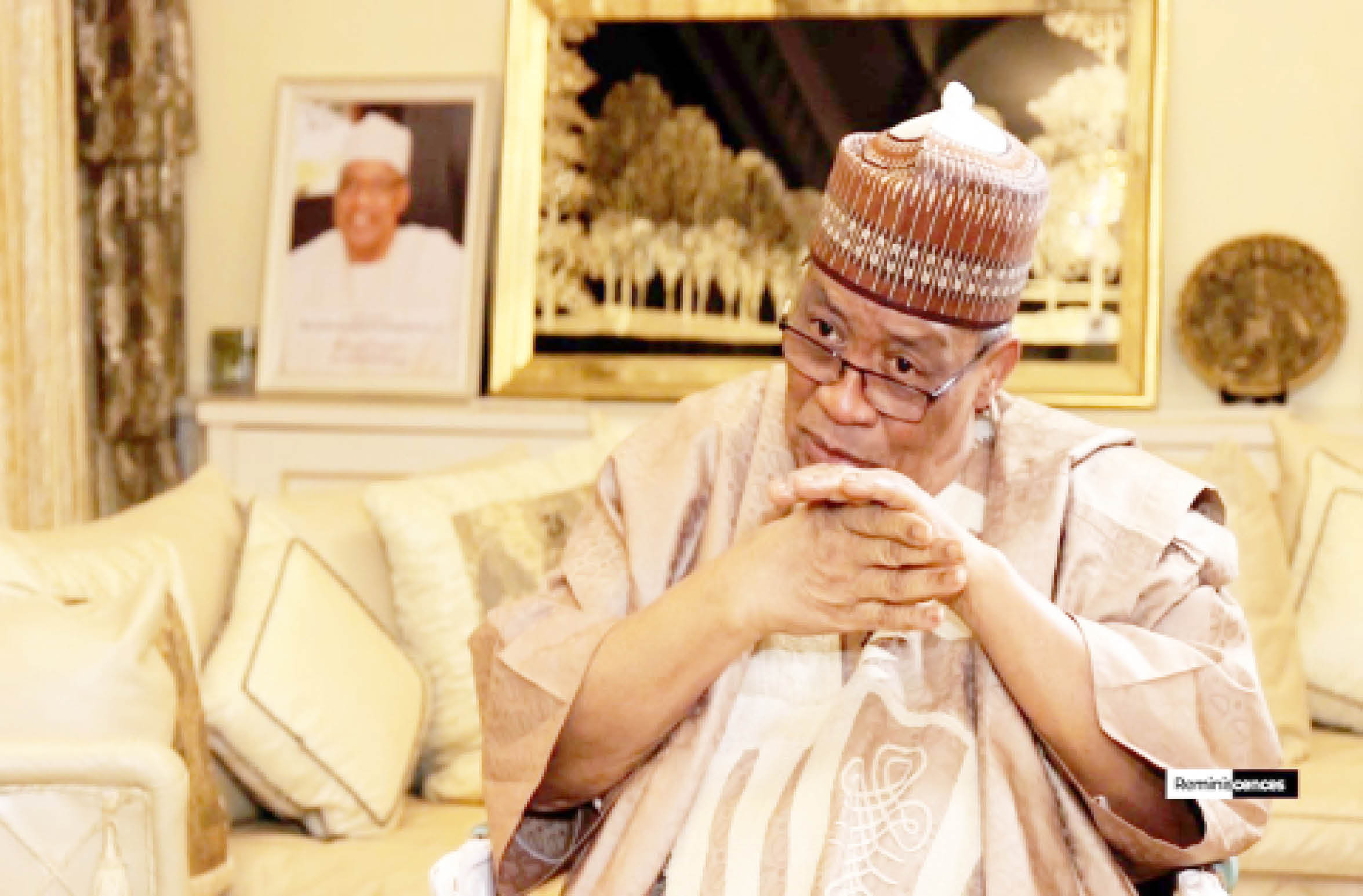
General Ibrahim Badamasi Babangida
The Resource Centre for Human Rights & Civic Education (CHRICED) has tackled former military ruler, General Ibrahim Badamasi Babangida (IBB), for his role in the annulment of the June 12, 1993, presidential election.
The CHRICED’s demand comes after Babangida’s recent public admission of his involvement in the annulment.
The CDHR in a statement issued on Tuesday said Babangida’s actions resulted in widespread human rights abuses.
The organisation in the statement signed by its Executive Director, Comrade Ibrahim M. Zikirullahi, reminded “General Babangida of the profound and tragic consequences that arose from the annulment of the June 12 presidential election results, a decision that led to the loss of countless lives and the suffering of many. The struggle for the validation of the June 12 mandate was marked by the arbitrary detention of numerous pro-democracy activists, who were imprisoned solely for their courageous efforts to restore the democratic will of the Nigerian people. Tragically, many of these activists never returned alive, their fates sealed by a regime that sought to silence dissent.
“We must not overlook the thousands of workers and student union activists, protesters, and innocent Nigerians who faced brutal repression in the aftermath of the election’s annulment. Many were shot, killed, or injured as they stood up for their rights and the democratic principles that were so violently undermined. The memories of these individuals, who sacrificed so much for the cause of democracy, should not fade into obscurity.
“Moreover, we must remember the many pro-democracy advocates who were forced into exile during this tumultuous period. Their lives were irrevocably altered as they fled the oppressive environment that sought to crush their voices and aspirations. The struggle for democracy came at a steep price, and the scars of that struggle remain etched in the collective memory of the nation.
“The unresolved murder case of Dele Giwa looms large as a haunting reminder of the dangers faced by those who dared to challenge the status quo. His assassination, shrouded in mystery and impunity, underscores the urgent need for accountability and justice in a society still grappling with the consequences of past atrocities.
“Additionally, we cannot forget the plight of Chief MKO Abiola, who endured arrest, prolonged detention, and ultimately death under suspicious circumstances. He faced baseless charges of treason and attempts to overthrow the military government, all for the simple act of advocating for the realization of the June 12 mandate that had been rightfully bestowed upon him by the Nigerian electorate. His legacy is a testament to the resilience of the human spirit in the face of tyranny.
“Furthermore, we must consider the substantial financial resources that were squandered in conducting the elections, resources that could have been better utilized for the development of the nation. The mismanagement of these funds through the June 12 annulment reflects a broader pattern of corruption, waste and inefficiency that has plagued Nigeria’s political landscape.
“It is crucial to underscore the importance of reminding General Ibrahim Babangida that Nigeria is still grappling with the repercussions of the turmoil that ensued following the annulment of the June 12, 1993 elections. This pivotal moment in the nation’s history not only disrupted the democratic process but also set a precedent for the manipulation of power that has persisted in the years since. The decisions made by Babangida and his minions have led to the infiltration of unqualified individuals into various positions of authority, undermining the integrity of governance and public trust. As a result, many politicians have become disillusioned with the notion of fair competition, as the prevailing sentiment is that power can be seized and run away through unethical and unscrupulous means, rather than through merit and democratic principles.
“In the years that have followed, successive leaders have often claimed that they lack the necessary evidence to hold the former military dictator Babangida accountable for his actions, citing a supposed absence of proof as a barrier to prosecution. However, it is a well-established principle in legal practice that there is no statute of limitations for prosecuting criminal once credible evidence is presented. The emergence of direct evidence, including self-incriminating statements and public confessions made by Babangida himself, has created a compelling case for action. Therefore, the Resource Centre for Human Rights & Civic Education (CHRICED) calls for the immediate arrest and prosecution of General Babangida for his unlawful annulment of the June 12 presidential election, as well as for the tragic deaths of numerous protesters who stood against this injustice.”