
Halt spread of Lassa fever
Lassa fever, one of this country’s most dreaded contagious diseases, recently resurfaced in several states all at once with Bauchi, Ondo, Taraba, Edo, Plateau, Cross River and Kogi recording a high number of infections. According to Nigeria Centre for Disease Control and Prevention (NCDC) report, from February 17 to 23, this year, 95 deaths were […]
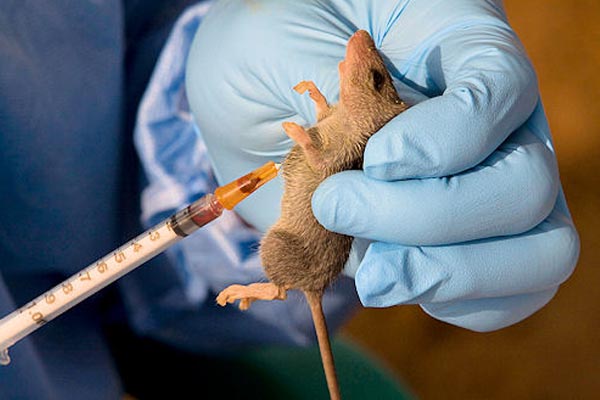
Lassa fever, one of this country’s most dreaded contagious diseases, recently resurfaced in several states all at once with Bauchi, Ondo, Taraba, Edo, Plateau, Cross River and Kogi recording a high number of infections.
According to Nigeria Centre for Disease Control and Prevention (NCDC) report, from February 17 to 23, this year, 95 deaths were reported with a case fatality rate (CFR) of 18.8 per cent, which is the same CFR for the same period in 2024.
It further disclosed that in 2025, 12 states have recorded at least one confirmed case involving 70 Local Government Areas (LGAs). It added that while 73 per cent of all confirmed Lassa fever cases were reported from Ondo, Bauchi and Edo states, 27 per cent of the cases were reported from nine states. The predominant age group affected is 21-30 years. The male-to-female ratio for confirmed cases is 1:0.8.
Also, from February 24 to March 2, 2025, 2,728 suspected cases; 535 confirmed cases and 98 deaths were recorded across 14 states with case fatality rate at three per cent. Five states account for 91 per cent of confirmed cases.
- The economic cost of vandalism, insecurity
- Over 220,000 affected by USAID funding withdrawal in Yobe-SEMA
Lassa fever is an acute viral fever that induces haemorrhage. First discovered in 1969 in the town of Lassa in Borno State, the virus is transmitted by contact with the faecal and urine matter dropped by rodents.
Symptoms of Lassa fever may include nausea, vomiting of blood, stomach ache, constipation, hepatitis, high heart rate and respiratory tract cough. Other symptoms include headache, general body weakness, cough, nausea, vomiting, diarrhoea, muscle pain, chest pain, sore throat and, in severe cases, bleeding from ears, eyes, nose, mouth, and other body openings.
Reports indicate that the outbreak of Lassa fever annually occurs between January and April as a result of bush burning, which drives rodents out of their habitat to take refuge in nearby houses. Refuse dump sites in residential areas are also convenient places for the breeding and survival of rodents.
Although the control of rodents’ population may be impractical in the foreseeable future, it is critical that members of the public be apprised of the dangers posed by such species of rodents that cause the fever.
In addition, public enlightenment on how to store foodstuff and water in covered or rat-proof containers should be embarked upon.
We commend the government for responding quickly to the current outbreak of the disease. However, the number of victims could have been minimised if the government had taken steps to enlighten the public on the precautions required to guard against contracting it. Lassa fever is a seasonal disease at periods that are well known to environmental health officials.
Awareness about the disease remains the only preventable measure, since no vaccine against Lassa fever exists. Such awareness campaigns should discourage farmers and others, who live in the hinterland, from drying their grains on road shoulders along the highways, because they could easily get contaminated with the urine and faeces of rodents that feast on them.
There is also the urgent need for the government to establish more Lassa fever testing centres in the country, particularly in regions where the disease is endemic. It will be a welcome development if every state has a testing laboratory. This will reduce the time it takes to diagnose the disease and provide treatment.
We also urge every state government to see this as a medical emergency by taking ownership of the fight against this disease; the federal government should not be left alone to carry the burden.
More isolation facilities should also be provided at various hospitals because of the highly contagious nature of the virus. Medical experts at Irrua in conjunction with their colleagues at the National Institute for Pharmaceutical Research and Development, Abuja, should be challenged to work towards producing an effective vaccine for prevention and treatment.
Waste management agencies should also be more alive to their responsibilities by ensuring proper waste disposal.
It is indeed sad that Lassa fever and similar diseases are becoming too difficult to avoid even though they happen very often. This indicates negligence on the part of responsible officials which should not be allowed to continue.
It is time for every arm of government, community leaders, youth leaders, religious and other non-governmental organisations to rise up to the challenge of preventing unnecessary deaths from such diseases.