
Happy Eidul-Fitr
Today, Friday March 20, 2026 is Eidul-Fitr in Nigeria. This is sequel to the announcement by the Sulatn of Sokoto that the month of Ramadan will complete its 30 days circle; directing Muslims, who have been observing Ramadan fast in the past one month, to observe today as Eidul-Fitr. The end of the month-long Ramadan […]
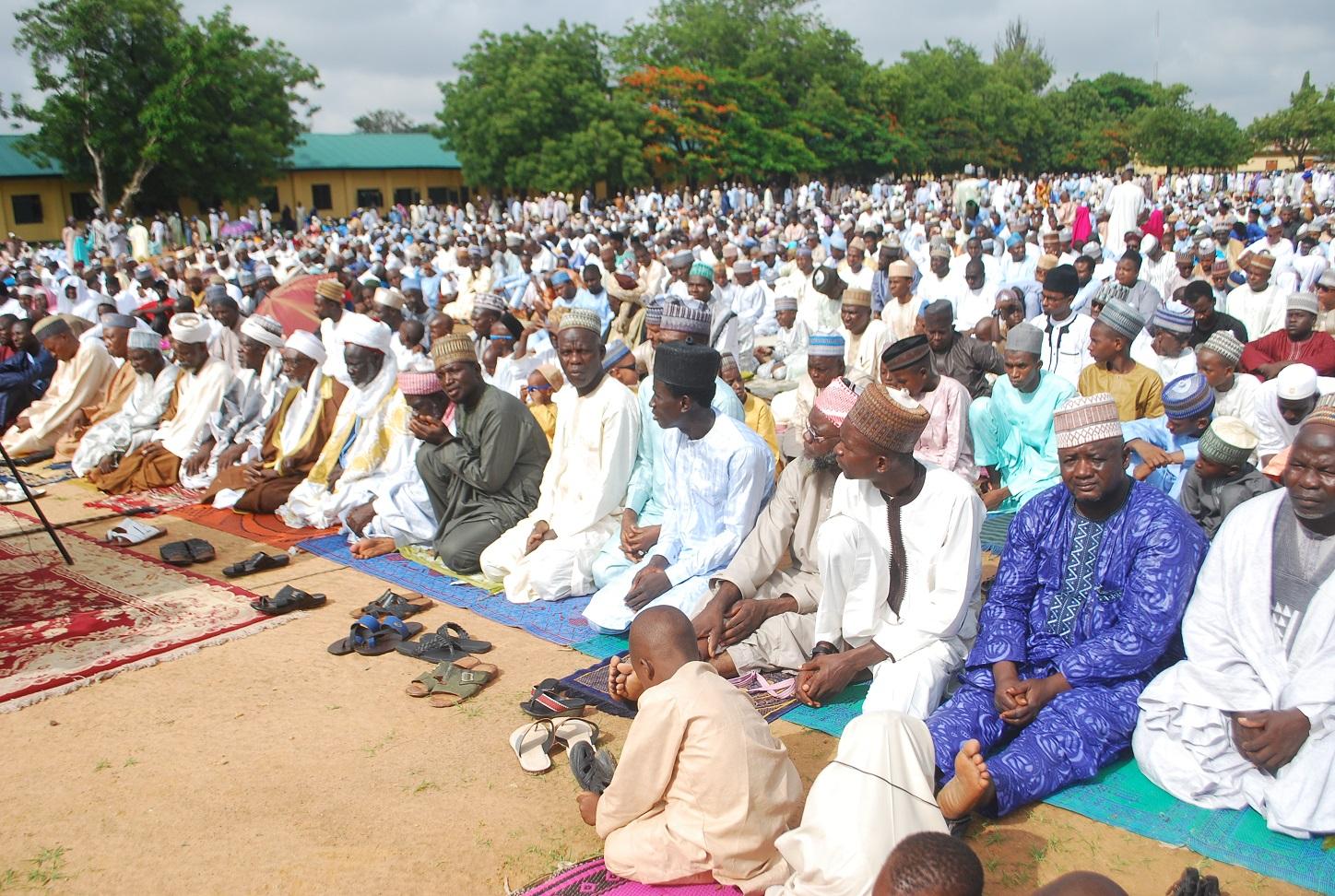
Today, Friday March 20, 2026 is Eidul-Fitr in Nigeria. This is sequel to the announcement by the Sulatn of Sokoto that the month of Ramadan will complete its 30 days circle; directing Muslims, who have been observing Ramadan fast in the past one month, to observe today as Eidul-Fitr.
The end of the month-long Ramadan period is marked with a congregational prayer observed in the outskirt of towns and cities.
In his message, the Sultan of Sokoto and President-General of the Supreme Council for Islamic Affairs in Nigeria, Alhaji Muhammadu Saad Abubakar enjoined Muslims to sustain all the virtuous works put forth during the Ramadan; urging them to also celebrate the occasion in the most peaceful manner that demonstrates gratitude, not ungratefulness, to Allah.
Muslims have in the past one month, as required by Islam, lived a life of moderation and self-denial, refraining from negative conduct and other acts that run contrary to the teachings of the Islamic faith. Ramadan, as usual, is a period when Muslims seek closer ties with Allah through diverse acts of worship that include alms giving, recitation of the Qur’an, observance of prayers at night, and seeking forgiveness of their sins.
Having undertaken these religious duties, it is expected that Muslims have in the past one month imbibed the spiritual lessons of Ramadan and resolved to always live according to the consecrated tenets of Islam. It’s important to remind Muslims to exhibit the needed capacity to do good by elevating decent values in their everyday life. That way, the practical benefit of self-denial carried out during Ramadan would have been achieved.
The end of Ramadan should not mean an end to the virtues of benevolence, good neighbourliness and tolerance which in the past four weeks characterised the private and public life of Muslims. They should not consider the end of Ramadan as a renewed opportunity to go back to old habits. With the end of Ramadan, celebration of the Eidul-Fitr should be done in moderation as a practical expression of its lessons.
The salient lesson of empathy taught by Ramadan should equally not be lost on us. The fatigue and the pains of physical deprivation suffered while fasting should guide everyone especially leaders to care for others who perpetually live under very unfavourable circumstances. Zakat or poor rate, which as part of activities to mark Eidul-Fitr, is required to be paid by Muslims in the staple food of their respective communities to the poor and the indigent. This religious duty underscores the need to care for the underprivileged. This being the basic message of small Sallah, it behoves on leaders to make concrete efforts that seek to increase citizens’ access to the basic necessities of life. That way, the practical benefit of altruism self-denial carried out during Ramadan would have been achieved.
While we encourage individual Muslims to sustain the discipline imbibed during the just-ended holy month of Ramadan, we similarly advise them against going back to their old habits including the profligacy of unnecessary exuberance while dining, which undeniably is against prophetic eating traditions. To build a decent Nigerian society lived by upright people, individuals are required to imbibe and exhibit traits of self-discipline.
We call on Nigerian Muslims to, on the occasion of this Sallah, pray for the country and for the guidance of leaders at all levels of governance. Leaders should see political power as a public trust, and should therefore, exercise it for the common good of the people they lead, which in specific terms should translate in to the provision of basic necessities of life as well as the infrastructure that will improve their living conditions. Similarly, we urge leaders and those in positions of authority to lead by examples and remain sensitive to the aspirations of citizens for decent life, quality education, clean and portable water, improved and affordable power supply, better employment prospects, and access to better healthcare facilities.
Special prayers should also be offered on the occasion of this Sallah to seek Allah’s divine intervention in the country’s critical challenges including the never-ending insecurity of lives and property, inflation, unemployment, and abject poverty; a sadly ridiculous circumstance for a hugely endowed nation.
Conversely, and on the part of the ruled, we call on them to be good citizens. Further in the spirit of the season, Muslims are advised to uphold the virtue of peaceful co-existence with adherents of other faiths and re-commit themselves to the pursuit of religious tolerance and societal rebirth. Hosting visitors across religious boundaries during this festive period could similarly facilitate the building of strong bridges of understanding in the multi-faith Nigerian society.
Daily Trust wishes Nigerians Barka da Sallah and a peaceful celebration.