
How GAMCO can fix power grid finance hurdles
As Nigeria’s power grid continues to face collapse due to the inability to raise funds to modernise the infrastructure, the federal government has unveiled plans to allow private sector investors to pool funds into the grid. It would be recalled that the government had said the initiative is testing an alternative approach, mobilising private capital […]
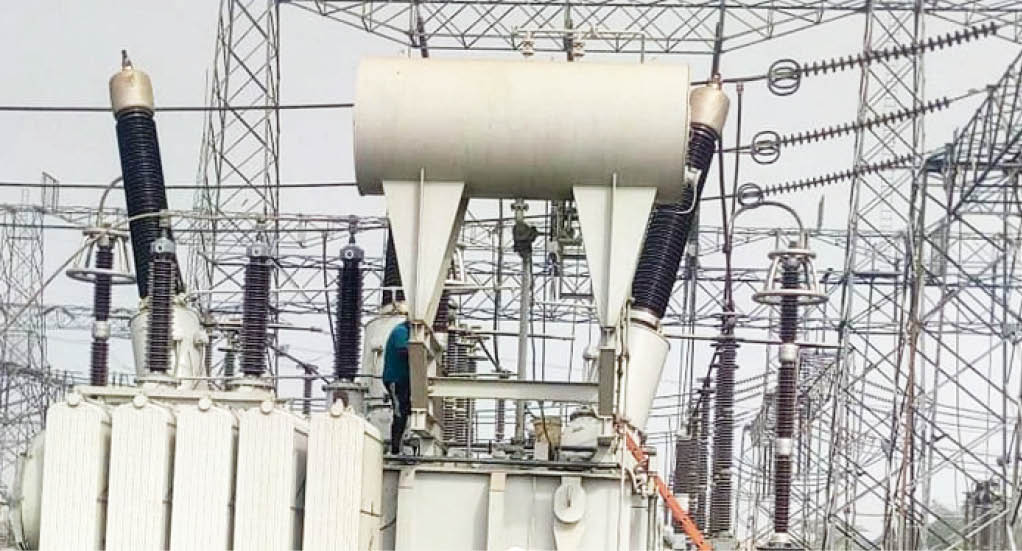
As Nigeria’s power grid continues to face collapse due to the inability to raise funds to modernise the infrastructure, the federal government has unveiled plans to allow private sector investors to pool funds into the grid.
It would be recalled that the government had said the initiative is testing an alternative approach, mobilising private capital through a ring-fenced project finance vehicle designed to unlock power generation that already exists but rarely reaches consumers.
It added that at the center of the plan is the Grid Asset Management Company Limited (GAMCO), a commercially structured company intended to package stranded government power assets into bankable projects attractive to lenders and infrastructure investors.
Officials describe the model to rehabilitate existing generation capacity and expand transmission infrastructure without adding to Nigeria’s already strained sovereign balance sheet.
A project finance experiment
Nigeria’s electricity sector has long struggled with underinvestment, regulatory uncertainty, and chronic funding gaps. Billions of dollars have been spent building gas-fired power plants that often sit idle because of inadequate gas supply, weak maintenance regimes and insufficient transmission capacity.
GAMCO’s pitch to investors is straightforward: instead of building new plants, it will restore existing ones to productive operation and construct privately financed transmission corridors capable of moving power to industrial demand centres.
The company will operate as a ring-fenced special purpose vehicle incorporated under Nigeria’s companies’ law, with shares held in trust for the federal government by the Ministry of Finance Incorporated (MOFI).
Officials say the structure is designed to reassure investors that projects will be governed with private-sector discipline while still allowing the state to retain ownership of underlying assets.
“The cheapest megawatt is the one already built but not working,” according to government briefing materials explaining the rationale behind the scheme.
The strategy reflects a broader challenge confronting emerging market governments: how to finance infrastructure when borrowing costs are high and public debt is already under scrutiny from investors.
Nigeria’s public finances remain constrained by heavy debt servicing costs and volatile oil revenues. Large new infrastructure loans could worsen fiscal pressures.
By contrast, GAMCO aims to raise debt and equity against the cash flows of individual projects rather than relying on government guarantees or sovereign borrowing.
Under the model, the federal government would provide seed capital through its infrastructure development fund, but the bulk of financing would come from private lenders and institutional investors willing to back projects with contracted revenues.
If successful, officials say the approach could become a template for infrastructure development across the country.
The pilot phase focuses on three power plants built under Nigeria’s National Integrated Power Project programme, which together have capacity of about 1,775MW but operate at extremely low availability.
By restructuring gas supply agreements, introducing professional operations and maintenance contracts, and securing bankable power purchase agreements, the government believes the plants could deliver roughly 1,600MW of dependable generation — roughly a third of Nigeria’s typical daily output.
But generation alone is not the problem. Nigeria’s transmission network is widely seen as the system’s weakest link.
To address this, GAMCO will finance and build a high-capacity transmission corridor, the country’s first privately financed independent power transmission line, capable of carrying several gigawatts of electricity across the country’s main commercial belt.