
How Nigerians Are Leveraging Forex to Diversify Their Income Streams
In Nigeria today, most people are chasing more than one source of income. One salary often doesn’t stretch as far as it used to, with food prices climbing and the naira losing strength against foreign currencies. Some start side businesses, others try freelancing, and a growing number are finding opportunities in forex trading with modern, […]
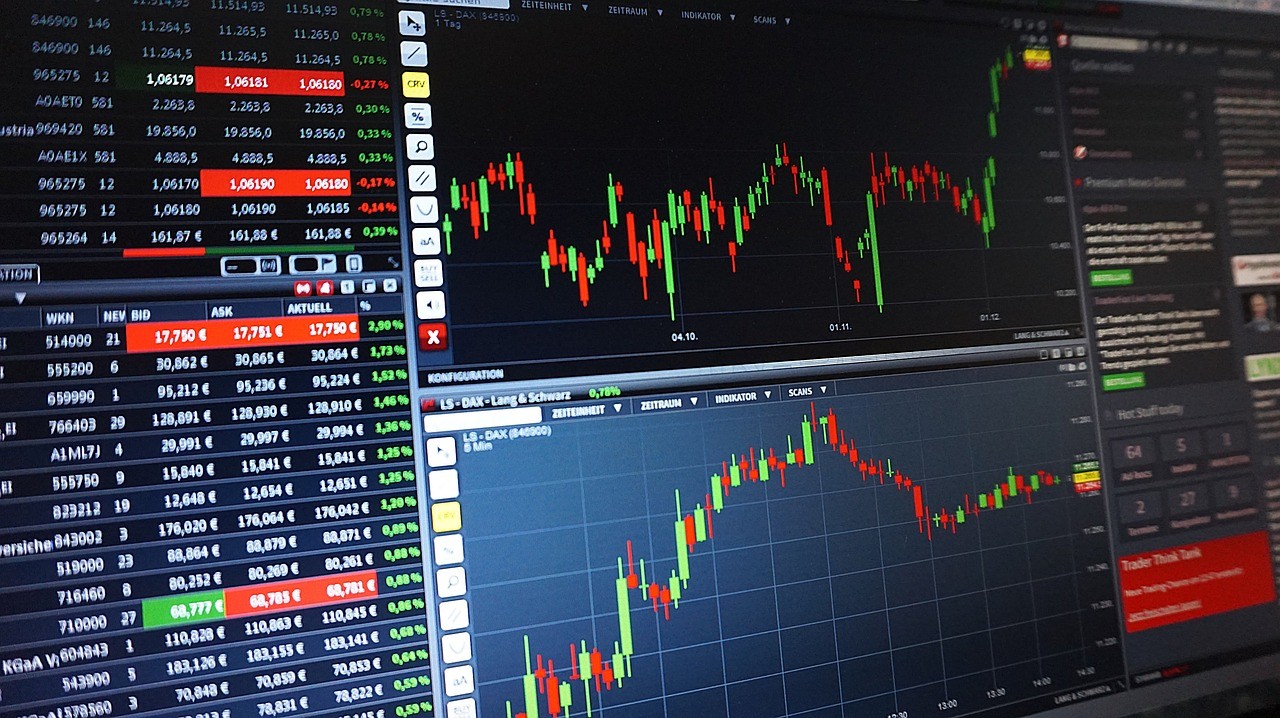
In Nigeria today, most people are chasing more than one source of income. One salary often doesn’t stretch as far as it used to, with food prices climbing and the naira losing strength against foreign currencies. Some start side businesses, others try freelancing, and a growing number are finding opportunities in forex trading with modern, user-friendly platforms like Exness.
At its core, forex is simple: you buy one currency and sell another, hoping to make money from the change in their values. The appeal, though, lies in how huge and flexible the market is. It’s global, it runs all week long, and it offers access to movements in dozens of economies. That flexibility fits well with the reality in Nigeria, where many people need an income source they can manage outside of regular working hours.
Why Forex Caught On
So why has forex taken off here? Part of it comes down to accessibility. If you’ve got a phone and an internet connection, you can enter the market. Another factor is timing: the market never closes during weekdays, which means people can trade before work, after school, or late at night. And of course, because it’s a global market, traders aren’t boxed into local events. A change in U.S. interest rates or oil prices might create chances for someone in Lagos.
Put all that together and forex looks less like a niche hobby and more like a practical side hustle. With these factors at play, it’s no surprise many young Nigerians have become curious. Add to that the widespread push for financial independence, and you see why forex feels like more than just a passing trend.
Learning Before Leaping
Of course, curiosity alone doesn’t make someone a successful trader. One mistake beginners often make is jumping in too quickly. Forex is not a guaranteed money machine, it’s risky.
That’s why more and more Nigerians are first spending time learning the basics: how to read charts, how interest rates affect currencies, how to keep emotions under control. You’ll find countless online groups, blogs, and free videos where people share insights, some even form study groups to swap notes and encourage each other.
It’s the kind of community-driven learning that’s helping new traders avoid some of the early pitfalls.
The Safety Net of Practice
Ask any seasoned trader and they’ll tell you: practice is key. That’s where demo trading with Exness comes in. A demo account looks and feels like the real market, but you’re only dealing with virtual funds.
For Nigerians dipping their toes in for the first time, it’s an ideal way to learn without losing money. You can try strategies, get comfortable with the platform, and figure out your rhythm. Many traders in Nigeria now see this as the “training ground” before going live.
It’s like a footballer practicing on the pitch before the big game, you get the skills sharp without risking the match.
Adding a Second (or Third) Stream
Most Nigerians who start trading don’t expect it to instantly replace their main job. Instead, forex serves as a supplement. A little extra income from a good month of trading might cover groceries, children’s school fees, or help with rent.
Others see it as a way to grow their savings instead of leaving money idle in a bank account. And some entrepreneurs reinvest whatever they make back into other ventures, turning forex profits into startup capital for businesses.
In that sense, forex is not a silver bullet but part of a broader diversification strategy.
Staying in the Game: Risk Matters
The hardest part of forex isn’t placing a trade. It’s knowing when not to. Nigerians who manage to stick around for the long haul usually credit risk management as their secret.
That can mean:
- Keeping trade sizes small so one mistake doesn’t wipe out the account.
- Using stop-loss orders to cut off losses early.
The Tech Edge
It’s impossible to ignore the role of technology. A decade ago, you might have needed a desktop and a stable office connection to trade. Now, anyone with a smartphone can track the markets, place trades, and set alerts while riding a bus. That mobility has opened the door for thousands of new participants.
Social platforms add another layer. Telegram groups, WhatsApp circles, and trading forums have become informal classrooms. People swap charts, celebrate wins, and warn others about mistakes they’ve made. It’s messy, unfiltered, and often more motivating than reading a textbook.
A Cultural Shift
If you zoom out, forex is part of something bigger happening in Nigeria. The old mindset that a single salary equals security is fading. More people are embracing side hustles, freelancing, digital businesses, and yes, trading.
Forex fits naturally into this shift. It’s a way to engage with global finance from right at home, without the barriers that once kept people out. For many young Nigerians, it’s not just about profit but about being part of a new era where financial independence feels possible.
Real Challenges Remain
Of course, it’s not all rosy. Electricity cuts and shaky internet connections can ruin a carefully planned trade. Scams are another danger; not everyone knows how to check whether a broker is properly regulated. And then there’s the emotional toll. The highs and lows of trading can wear you down if you don’t have a clear plan.
These challenges don’t make forex impossible, but they do remind traders that success depends on preparation and discipline, not just enthusiasm.
What the Future Looks Like
Looking ahead, forex seems set to grow. Nigeria’s young population is tech-savvy, ambitious, and increasingly financially aware. More people are treating trading as a skill, starting with demo accounts and moving cautiously toward live markets.
As internet access improves and financial literacy spreads, forex could become a normal part of how people manage money. Not the whole plan, but an important piece of it, like freelancing, e-commerce, or investment clubs.
Final Thoughts
Nigerians are adapting to tough economic realities by exploring new ways to secure their future. Forex, especially when supported by tools like Exness, has emerged as one of those avenues.
Handled recklessly, it’s just another gamble. But approached with patience, education, and strong risk management, it can provide a steady extra stream of income. For many Nigerians, that makes it more than just trading, it’s a strategy for building resilience in unpredictable times.