
How Nigeria’s net reserves rose by 772% to $34.8bn in 2yrs
Nigeria’s net reserves grew significantly in the last two years as the Governor of the Central Bank of Nigeria, Olayemi Cardoso, disclosed that net foreign exchange reserves rose sharply to $34.80bn at the end of 2025, representing a 772 per cent increase from $3.99bn recorded at the end of 2023, According to the apex bank, […]
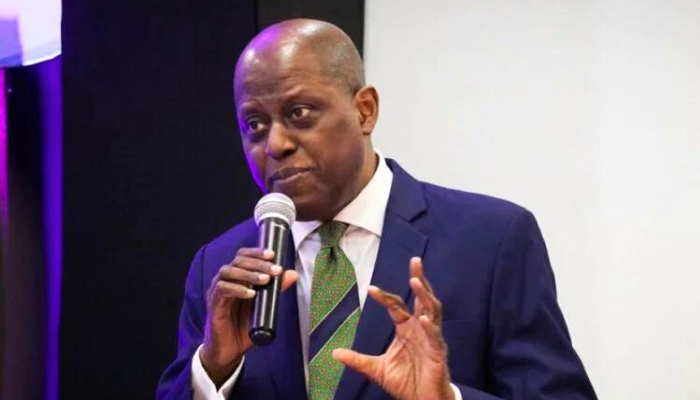
Olayemi Cardoso, CBN Governor
Nigeria’s net reserves grew significantly in the last two years as the Governor of the Central Bank of Nigeria, Olayemi Cardoso, disclosed that net foreign exchange reserves rose sharply to $34.80bn at the end of 2025, representing a 772 per cent increase from $3.99bn recorded at the end of 2023,
According to the apex bank, the new figures signal what the bank described as a significant strengthening in the country’s external buffers.
In a release by CBN, the apex bank said the improvement in both gross and net reserves reflected “stronger external sector fundamentals and sustained policy reforms.”
Daily Trust reports that Gross reserves refer to the total stock of foreign assets held by the Central Bank of Nigeria, including foreign currencies, gold, and other external assets.
Net reserves, however, strip out short-term liabilities and obligations, providing a clearer picture of the portion of reserves that is readily available to defend the naira and meet external commitments.
Earlier, Cardoso revealed at the post-Monetary Policy Committee briefing on February 24, 2026, that Nigeria’s gross external reserves stood at $50.45bn as of February 16, 2026. Providing further clarity over the weekend, he said the net foreign exchange reserves as of the end of December 2025 rose to $34.80bn.
Following his disclosure at the post-Monetary Policy Committee press briefing on Tuesday, February 24, 2026, where he said the country’s gross external reserves stood at $50.45bn as of February 16, 2026, Mr Cardoso, at the weekend, said the net foreign exchange reserves, as of the end of December 2025, rose to $34.80bn.
According to the CBN governor, the figures “emphasised the benefits of increased transparency and credibility in foreign exchange management, boosting investor confidence, attracting stronger FX inflows, and improving reserve management practices aimed at preserving capital, ensuring liquidity, and supporting long-term sustainability.”
The statement disclosed that net reserves increased sharply from $3.99bn at the end of 2023 to $34.80bn at the close of 2025, which the governor described as a fundamental improvement in reserve quality. He added that the 2025 net reserve position alone exceeded the total gross reserves recorded at the end of 2023, which stood at $33.22bn.
He said the expansion highlighted Nigeria’s enhanced capacity “to meet external obligations, support exchange rate stability and reinforce overall macroeconomic resilience.”
Describing the end-2025 reserve position as a strong validation of the bank’s ongoing reforms and external sector adjustments, Cardoso reaffirmed the commitment of the Central Bank of Nigeria to maintaining adequate reserve buffers.
He stated that the apex bank would continue “supporting orderly foreign exchange market operations, enhancing confidence in Nigeria’s external position and sustaining macroeconomic stability in line with its statutory mandate.”
Market showing significant stability – Expert
In his brief comment on the matter, senior partner at SPM professionals, Dr. Paul Alaje noted that the recent figures signals some level of stability in the forex market
“What we are witnessing today is some form of stability in the market in the last 2yrs. The figures indicate that net reserves rose over 700 per cent which can only happen after the unification of the fx rates,”
“If you look closely at the last MPC meeting, the CBN was very cautious, and did not have a sporadic reduction in rates, because that could send negative signals to foreign investors, some of which are investing due to stability while others are planning to now. We have also seen that our gross reserve has crossed 50 billion dollars, that’s why the monetary policy body is very cautious not to, not to just adjust rates suddenly, which of course will have an implication,” he said.
Gross reserves up to $51bn
Daily Trust had earlier reported that the CBN governor disclosed that Nigeria’s gross external reserves hit $51.04 billion, the highest level in 13 years
Already in the apex bank’s 2026 Macroeconomic Outlook, Cardoso had projected reserves would rise from $45.01 billion in 2025 to $51.04 billion in 2026. The drivers identified include stronger oil earnings, diaspora remittances, sovereign bond issuance, FX market reforms and increased domestic refining capacity.
The steady accretion to reserves has become one of the most important pillars supporting the naira’s rebound.
Speaking during the Monetary Policy Committee briefing in Abuja last week, Cardoso said the reserve build-up was supported by favourable trade developments, a healthy current account surplus, rising non-oil exports, and increased diaspora remittances.