
How NPA is repositioning Onne Port to boost cargo traffic
The Nigerian Ports Authority (NPA) has given reasons as to why it is making conscious efforts at repositioning the Onne Port, in Rivers State. The Authority highlighted some of the advantages of the port to the Organized Private Sector in the East to include the ports proximity to the commercial nerve centre such as Aba, […]
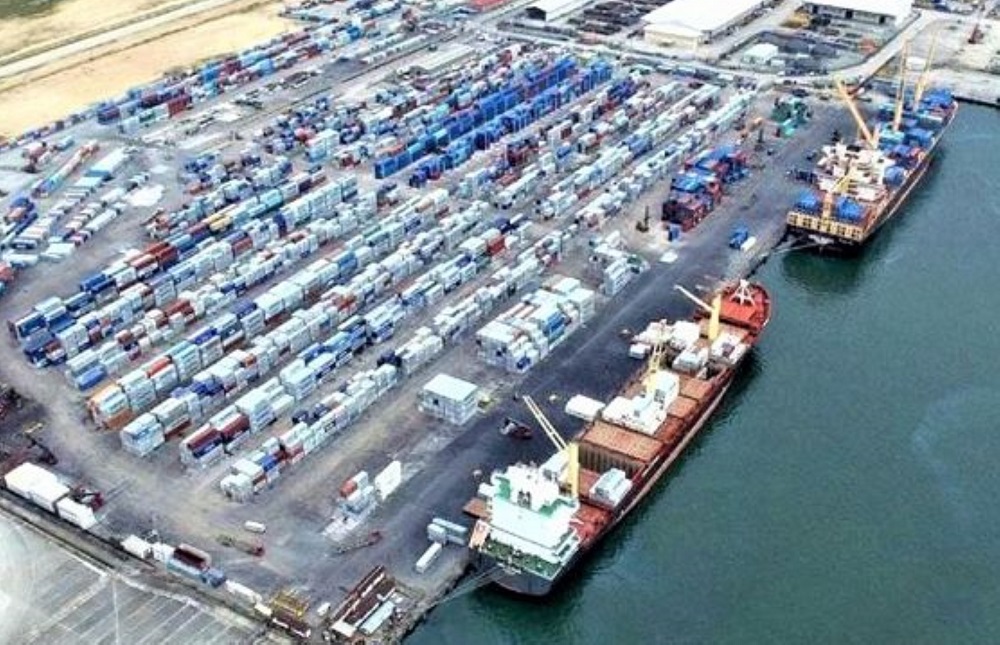
The Nigerian Ports Authority (NPA) has given reasons as to why it is making conscious efforts at repositioning the Onne Port, in Rivers State.
The Authority highlighted some of the advantages of the port to the Organized Private Sector in the East to include the ports proximity to the commercial nerve centre such as Aba, Onitsha and Nnewi.
Aside, it said the port could also serve as gateway to the hinterland as well as other landlocked countries.
It said Onne Port Complex is known to have heavy security presence with regular naval gunboat patrol within the surrounding waters.
The draft level at Onne port is 10.7meter, which can accommodate vessels with a capacity of 4,500 Twenty Equivalent Units, TEUs.
This is in addition to a total of five shipping companies operating in Onne port.
For vessel calls to Onne port, according to data provided by NPA shows that there are direct ship sails from the Far East, Europe and other parts of the world to the port.
The port also has its own Customs command, with fast clearance procedures and processes just as the offices and terminal operators and shipping companies and other stakeholders are situated in one location in Onne port.
It also noted that while West African Container Terminal, WACT, located within the Onne Port Complex has been fully developed with state-of-the-art cargo handling equipment which include Reach Stackers, Forklifts and empty containers handler.
The Port Manager, Onne Port, Mr. Adigun Raymond, who spoke on NPA’s efforts to enhance operational efficiency said it include upgrading the network, introducing an e-call up system for seamless truck movement, and creating a Container Freight Station (CFS).
The PM stated that a recent commissioning of a 4.8km road network (Road D) facilitates easy truck movement, and further boosting efficiency.
He highlights the procurement of tug boats by the management of NPA as a crucial development, stating, “The crafts have enhanced vessel traffic, facilitating loading and unloading operations and ultimately increasing revenue generation for government.”
He said the various feedback received from International Container Terminal Services (ICTS) Onne Multipurpose Terminal, OIS Indorama Port Limited, and West Africa Container Terminals (WACT) provide the Authority a comprehensive view of the current state of operations, challenges, and future expectations.
Jacob Gulmann, Managing Director of ICTS who also spoke on the current operational efficiency of the port said: “The second half of last year was very strong for containers for OMT. And in 2024 YTD, container volumes have remained at the same high levels from the second half of 2023. This is encouraging.”
“However, the non-containerized cargo sector, particularly in oil and gas, is experiencing a significant downturn, described as “in a severe slump.”
“In terms of operational efficiency, the terminal boasts a streamlined process where “our customer service office, banks, shipping lines, and cargo clearance authorities share the same compound, making it a one-stop shop for customers.
” This setup has contributed to the terminal maintaining an average vessel berth time of two days, although this is subject to the volume of trade.
The recent road construction by Deep Offshore has been a significant boost.”.
Managing Director, ICTS Onne considers this project “extremely welcome and a major milestone for Onne Port”.
Highlighting the need for continued efforts to complete the remaining two out-lanes, he said: “The terminal sees the East-West Road as crucial, stating, “If the current road works are delayed and fizzle out, then the long-term viability of Onne Port is in question.”
According to the Head, Port Operations of OIS Indorama Port Limited, Mahesh Chatter, Business at their Terminal has been “fair” since the beginning of the year.
“The terminal projects a slight increase in cargo handling, with expectations to move from 1.626 million metric tons (MT) in 2023 to 1.7 million MT in 2024. The number of vessel berth days is also expected to rise from 160 days in 2023 to 180 days in 2024.
Security at Indorama Port is deemed satisfactory, but there is a call for “all security agencies to maintain vigilance.” The terminal maintains a “cordial” relationship with its host community, actively engaging in employment, empowerment, contracts, and various community development projects.
For 2024, the terminal aims to “increase the volume of cargo to be handled,” but faces specific infrastructural challenges. They emphasize the need for significant improvements at the FOT junction/roundabout and better illumination of access roads within the port.
WACT is heavily focused on supporting the Federal Government’s agro export initiative. According to General Manager Innocent Ogbuji in an interview held last year, WACT has established a Container Freight Station (CFS) to “create value along the logistics chain as the integrator of container logistics whilst prioritizing export of agro commodities of all kinds.”
The terminal strives for robust, safe, and world-class operations and expects to enhance the export process by fostering greater synergy among stakeholders. However, WACT faces challenges such as the need for physical examination of export cargoes, poor infrastructure, and multiple regulatory processes, which lead to delays and product damage.
To further boost the agro export sector, WACT suggests the government “approve the use of scanning machines to examine all export units” and improve critical infrastructure like power, roads, and rail connectivity from farms to ports. Automation of the export process is also recommended to reduce bureaucratic delays.
The terminal operators at Onne Port highlight a blend of optimism and concerns.
While container volumes remain strong, there are significant challenges in the non-containerized cargo sector and infrastructural issues that need urgent attention.
With improvements in road infrastructure, security, and streamlined customs processes, Onne Port has the potential to significantly enhance its operations and support Nigeria’s economic diversification efforts. The commitment of operators like ICTS, OIS Indorama, and WACT to overcome these challenges underscores their crucial role in the port’s future growth.