
How poultry litter adds value to your farm
Poultry litter remains one of the most nutrient-rich organic fertilizers available to farmers, significantly enhancing the growth of crops such as maize, sorghum and soybeans. Although availability varies across regions in Nigeria, poultry litter is widely regarded as one of the most beneficial organic soil amendments farmers can use. As the rainy season approaches, farmers […]
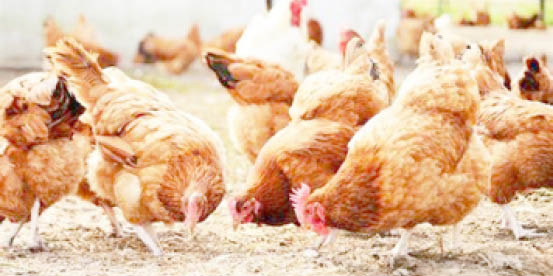
Poultry farm
Poultry litter remains one of the most nutrient-rich organic fertilizers available to farmers, significantly enhancing the growth of crops such as maize, sorghum and soybeans.
Although availability varies across regions in Nigeria, poultry litter is widely regarded as one of the most beneficial organic soil amendments farmers can use.
As the rainy season approaches, farmers with access to poultry litter are advised to begin sourcing or purchasing it for the upcoming planting season.
Experts note that regardless of the source — whether from layers, broilers, turkeys or pullets — poultry litter provides substantial nutritional value to crops.
Application rate
According to Farm Progress, one ton of poultry litter typically contains:
- 45–57 pounds of nitrogen
- 45–70 pounds of phosphorus pentoxide
- 45–55 pounds of potassium oxide
The recommended application rate is about two tons per acre. This aligns well with the phosphorus needs of a two-year maize and soybean rotation, making it both agronomically sound and economically efficient.
Beyond boosting yields, poultry litter helps improve soil structure and long-term fertility. With proper handling and application, it offers farmers a cost-effective way to reduce dependence on synthetic fertilizers while sustaining soil health.
Farmers interested in incorporating poultry litter into their operations are encouraged to connect with poultry producers in their locality to ensure reliable supply and proper usage guidance.