
How state electricity regulators can thrive – Report
A report by the PricewaterCoopers (PwC) has stated that the Federal Government’s reform in the electricity sector is shaped by the need to keep the national electricity market functioning while states activate their own markets. The report which followed its 2025 Annual Power & Utilities Roundtable under the theme: “Nigeria’s multi-tier electricity market: Imperatives for […]
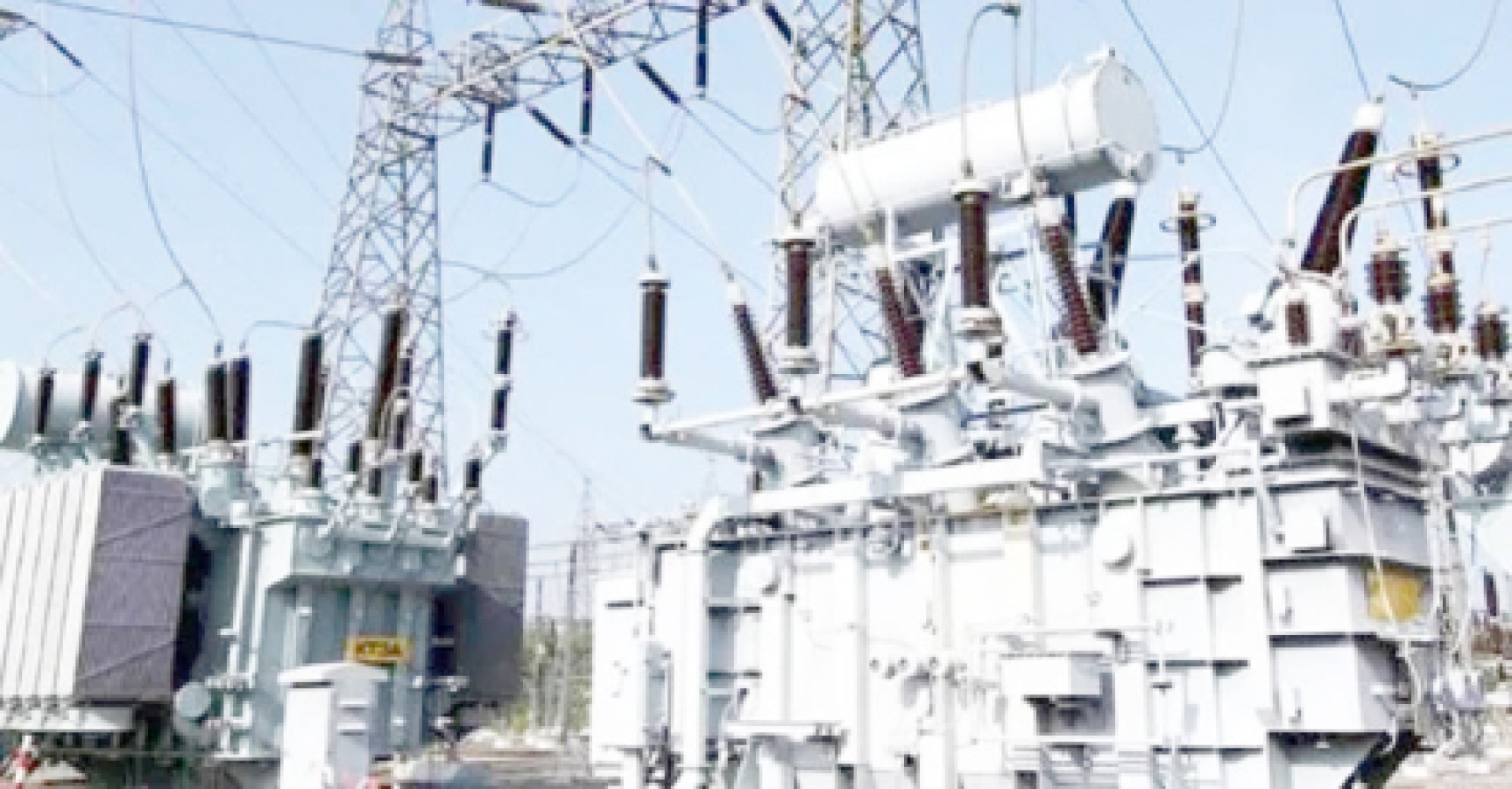
An electricity substation
A report by the PricewaterCoopers (PwC) has stated that the Federal Government’s reform in the electricity sector is shaped by the need to keep the national electricity market functioning while states activate their own markets.
The report which followed its 2025 Annual Power & Utilities Roundtable under the theme: “Nigeria’s multi-tier electricity market: Imperatives for successful evolution” noted that decentralisation under the Electricity Act 2023 is now the operating framework with federal interventions directed at protecting the national infrastructure, rules and institutions that support both federal and state electricity markets.
The report noted that more than 15 states are now at different stages of activating electricity markets under the Act and their readiness provides early evidence that decentralisation is producing differentiated regulatory and commercial conditions across the federation.
“At the same time, federal attention is concentrating on areas where failure would affect the entire market, regardless of state boundaries. These include transmission performance, grid reliability, large-scale metering deployment, subsidy exposure, and technical capacity across the sector. Together, these priorities show where reform pressure is currently being applied at the centre.
It added that the Electricity Act 2023 is beginning to influence how Nigeria’s electricity market operates in practice as states are taking more active roles in market development.
It added that the early phase of implementation highlights a central challenge for the next stage of reform.
“Changes in how states initiate projects, how federal institutions stabilise the system, and how investors assess risk must now be aligned across the market. How federal and state institutions respond to these early signals will shape whether Nigeria’s multi-tier electricity market moves from transition to consolidation,” the report said.
It however, said there are growing intergovernmental alignment challenges as the multi-tier market takes shape and as states assume authority over intra-state electricity activities, overlaps with federal responsibilities are becoming more visible.
“These frictions as a normal phase of reform, requiring clearer definition of regulatory roles, transitional reporting arrangements and dispute-resolution processes. Without such clarity, unresolved issues around subsidies, tariff assumptions, levies and regulatory authority could create uncertainty for investors and distort emerging state electricity markets.”