
How this coalition differs
Unlike past mergers, where political parties dissolved into a single entity, Atiku and his allies currently favour a coalition model. This approach allows them to remain in their respective parties while working towards a shared objective: unseating Tinubu in 2027, Daily Trust gathered. Professor Kamilu Sani Fage, a renowned political analyst, explained that mergers require […]
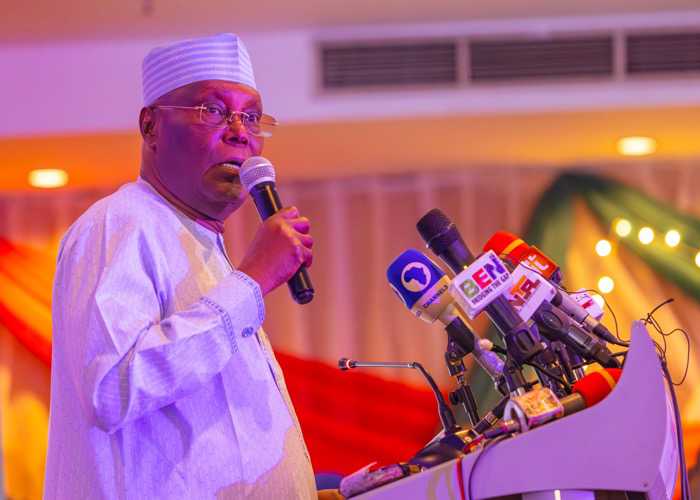
Unlike past mergers, where political parties dissolved into a single entity, Atiku and his allies currently favour a coalition model. This approach allows them to remain in their respective parties while working towards a shared objective: unseating Tinubu in 2027, Daily Trust gathered.
Professor Kamilu Sani Fage, a renowned political analyst, explained that mergers require parties to collapse into one, whereas coalitions allow individuals or parties to collaborate without dismantling their structures.
- Atiku announces coalition against Tinubu
- Military hands over 75 rehabilitated terrorists to Borno govt
He noted that the key players likely recognised the challenges of a merger, given the current state of their parties. For Atiku and Obi, their parties (PDP and LP) seem to be at odds with their ambitions. Meanwhile, El-Rufai’s new party, the SDP, has ruled out any merger, insisting it will remain a third force in the 2027 elections.
Professor Fage added that the coalition must address a fundamental question: who will be the presidential candidate, and how will that decision be made? He warned that if key figures fail to set aside personal ambitions for the collective goal, the coalition could collapse before 2027.