
How to spot high risk forex scams with these red flags
Forex trading has become popular in Nigeria & so have forex scams. Because it is so difficult to become a profitable forex trader (with 90% of retail traders losing money), many unsuccessful traders have turned to scamming. Because the Nigerian government does not regulate the online forex trade, it has become increasingly difficult to differentiate […]
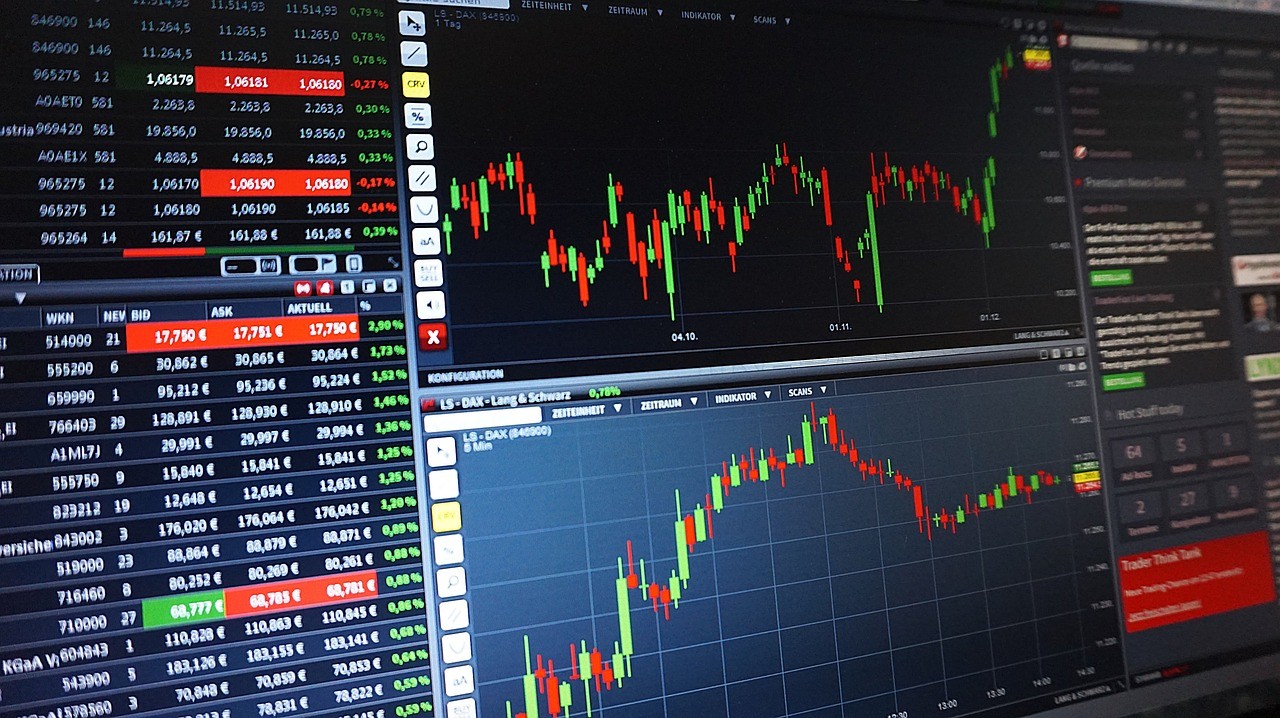
Forex trading has become popular in Nigeria & so have forex scams. Because it is so difficult to become a profitable forex trader (with 90% of retail traders losing money), many unsuccessful traders have turned to scamming.
Because the Nigerian government does not regulate the online forex trade, it has become increasingly difficult to differentiate real from fake forex investments.
This is a stark contrast to what is applicable in the Nigerian stock market (which is well regulated by SEC in Nigeria) where every Capital Market Operator must hold a verifiable license from SEC.
Stock market scams are less frequent than forex market scams because the stock market has many checks & balances while the online forex market has fewer.
Check that the Forex Broker License is Active
Because of the absence of online forex trading regulation in Nigeria, there are no rules of engagement for forex brokers to follow when operating in Nigeria.
This has set the stage for unlicensed forex brokers (also known as unregulated forex brokers) to begin operating in Nigeria albeit remotely.
You can always spot an unlicensed forex broker by checking the bottom of their website for their license number, then heading over to the website of the license issuer to reconfirm its authenticity.
The status of the forex broker’s license should read active/approved and not expired or revoked or pending approval.
Also ensure that you read through the forex brokers account opening terms & conditions (scroll to the bottom of the brokers website & click on legal documents).
The account opening terms should clearly state that you are entering into a contract with a regulated forex broker.
Recently we have seen forex brokers who are licensed still try to engage in unethical practices such as operating outside the scope of their license.
Whenever the license issuer notices that the broker is operating outside the mandate issued them, the regulator may move to shut down the broker and your funds may become trapped.
To avoid this, ensure your broker is regulated & also ensure they are not operating outside the mandate their license permits.
To check what a broker’s license mandate is, visit the website of their license issuer and search for the brokers name in their register of approved brokers. You will see what the broker is allowed to do stated there.
Check for Negative User Reviews
You can always search the internet for reviews about the company offering you the investment so you get third-party perspective (other people agreeing that the investment is genuine).
There are several online forex broker discussion forums on social media platforms where you can get the opinion of other forex traders who trade actively.
Negative reviews are a red flag, and you should tread cautiously because you could be dealing with a scam.
Beware of Excessive Bonus & Promotional Marketing
When you see a forex broker or investment laying too much emphasis on bonuses it is a red flag.
I am not demonizing bonuses but they should be modest (like around 20% to 50%). If a forex investment is offering you 100%, 300% bonus etc. it may just be a means to get you to commit your funds before you are scammed.
Time barred promotions with a sense of urgency, are also common with forex scams. The scammer will want to rush you into registering before the promo is over, so you don’t miss the free gift.
By rushing to register with the forex broker or investment, you may miss salient red flags along the way. You may fail to check if the broker is licensed, or if the investment is authorized etc.
Beware of Investment Advice Given on Dating Sites
Scammers lay wait on dating sites and they try to get into a relationship with you and win your trust. After that, they introduce the scam investment to you and get you to invest little sums in the beginning.
The scammers will ensure you make profits initially so as to boost your confidence (fattening the pig for slaughter) then when you deposit larger sums of money, they block you & disappear with your funds.
Beware of Newly Created Websites
If the forex broker claims to have been in the business for a long time, you can check when the company website was created. If the website was created recently but the broker claims to be older, then it is a red flag and you may be dealing with a scam.
Many scammers hurriedly build new websites using artificial intelligence with the sole purpose of scamming people.
Watch out for Spelling & Grammatical Errors
If you notice that any written communication from the forex broker/investment provider contains grammatical and spelling errors, it is a red flag & you may be dealing with a scam.
Avoid New Forex Brokers Who Display Numerous Awards
When you see a new forex broker brandishing so many awards on their website it should put you on alert.
Usually, it takes time for a brand to build reputation and become established so a new broker saying they won numerous awards is suspicious.
Imagine a forex broker that opened shop last year, claiming that they were awarded the forex broker of the year award! This should put you on alert because it may mean the broker is not being truthful.
Beware of Aggressive Advertising & Celebrity Endorsements
Forex scammers use aggressive & persistent advertisements to get your attention. Most of the ads are usually of high quality and may even involve celebrities to make it look more genuine.
Many of these celebrities do not actually understand that they are promoting a scam, and they are only interested in signing brand ambassadorial deals for the monetary gain.
After seeing so many ads, you may begin to think that since so much has been spent on advertising, then the forex investment must be genuine.
Because so many people have lost money to misleading investment schemes promoted online, tech giants like Facebook prohibited the advertising of certain financial products & services (including forex CFDs) on their platform.
After Facebook banned most forex adverts, many of the scammers shifted their ads to YouTube.
You can barely watch any YouTube video to its end without being bombarded by a forex investment advert.
Although advertising of forex companies is not bad, it should be done responsibly and the target market for the forex investment should be clearly stated alongside the risks involved.
For me, once I notice a certain forex investment is being advertised too aggressively, I abstain from it because chances are that it is a scam.
Don’t Make Payments via Gift Card
If you are asked to deposit funds for a forex investment by using Gift Cards, you may be dealing with a scam.
Scammers like to be paid in Gift Cards because they are very difficult to track and this offers them anonymity.
Nonadherence to Money Laundering Rules
Money laundering laws specify that if you are paying money into a forex brokerage or investment account, the source of the funds must be in your name and not your friends name or any 3rd party name.
Because scammers are desperate to receive money from you, they are bound to ignore all money laundering regulation by asking you to deposit funds from your friend/spouse account etc.
Requests to Deposit Funds Through Suspicious Links
Scammers could impersonate your forex broker by claiming to be your account officer or sometimes claiming to be affiliated with your broker.
They could say you have qualified for a free deposit bonus but you need to make your next deposit by clicking on a link they will send to you.
The link is usually malicious & will often redirect you to a fake landing page that resembles that of your broker. Any funds you deposit through this fake page will go directly to the scammers.
The scammers can also use these links to extract your personal information such as passwords & then use it to perpetrate more scams such as stealing money from your account, impersonating & taking over your social media profile etc.
Failure to Provide Adequate Beginner Support
Scam forex investments don’t always provide enough support for beginners who are trying to learn the ropes.
They would rather ask you to give them your money so they trade for you and you should decline.
A good example of beginner support for forex trading is a Demo Account, and many scam forex brokers don’t provide it.
It takes a lot of money to develop and maintain a demo account where traders can practice with virtual money.
Scammers may not have the capital to setup a demo account system so they may not offer you a demo account.
Forex brokers without a demo account are a red flag and you should avoid such brokers because they could be scams.
What To Do If You’ve Been Scammed
If you have sent money to a scammer via bank transfer or bank card, please ask your bank to trace & recall the funds.
Your bank may only be able to recall the funds if the scammer has not yet withdrawn the funds from their own account.
If your bank is unable to recall the funds, you can approach the Economic & Financial Crimes Commission (EFCC) office and make a written complaint to them.
If you paid the scammer through Gift Cards, you can send a mail to the company that issued the Gift Card notifying them that you made payment to a scammer.
If you paid the scammer via cryptocurrency, send a mail to the crypto company notifying them that you made payment to a scammer. You will find the company’s email address on their website.
If you clicked on a suspicious link sent to you by the scammer your personal data may have been stolen & the scammers may have access to your bank account.
You should block or disable your ATM Card immediately, so that even if the scammers have your card details, they won’t be able to use the card.
If it is a weekend & your bank is not open, you can dial their USSD code and select the option to block your account/cards.
You should also transfer your funds out of your account into another account until you are sure your account hasn’t been compromised.
Also check your account history for any suspicious transactions. Check the recurring transfer setting to be sure the scammers have not set pending orders for money to be transferred to them at a future date.
Also check if the scammers have not used your account to access any loans.