
How toll on FG roads will affect suburban areas – Expert
Founder of Wardiere Oakmount and a real estate sales coach, Kunle Ilori, says the planned reintroduction of toll on selected Federal Government roads could dampen demand for properties in suburban and peri-urban areas and thereby stall real estate development. Minister of Works, David Umahi, had disclosed that the Abuja-Kaduna-Kano and other major highways across the […]
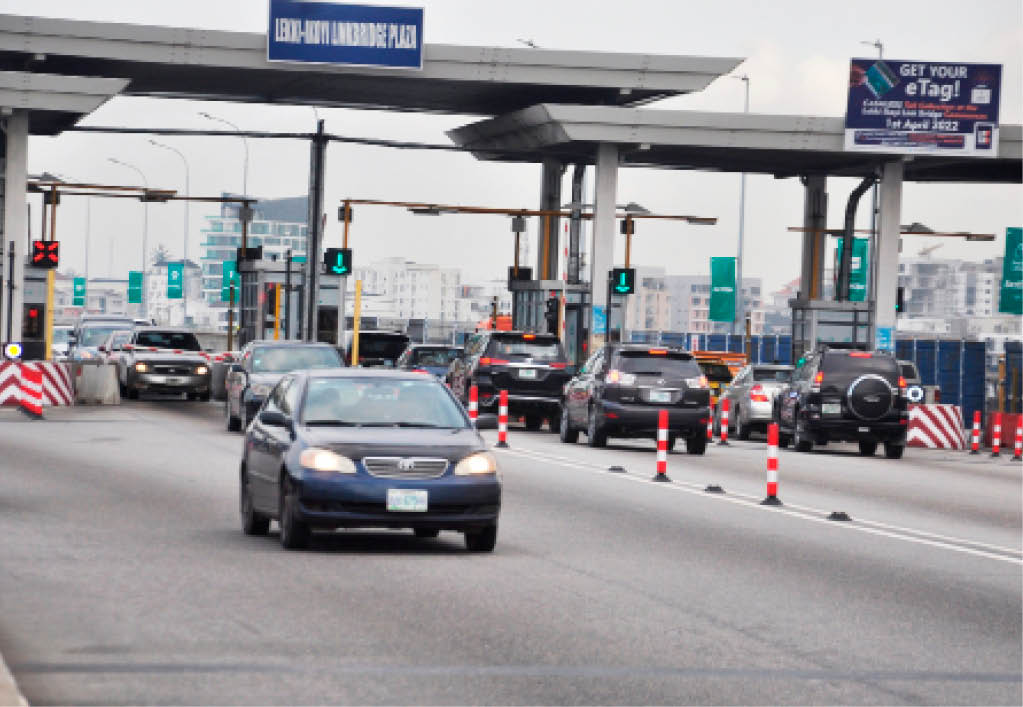
The test run of Lekki-Ikoyi linkbridge for the toll collection commence in Lagos yesterday
Photo: Benedict Uwalaka
Founder of Wardiere Oakmount and a real estate sales coach, Kunle Ilori, says the planned reintroduction of toll on selected Federal Government roads could dampen demand for properties in suburban and peri-urban areas and thereby stall real estate development.
Minister of Works, David Umahi, had disclosed that the Abuja-Kaduna-Kano and other major highways across the country would be tolled when 100 per cent completed to ensure adequate maintenance.
The government argues that tolls will generate revenue for road maintenance and loan repayments, but many Nigerians have questioned the potential costs to the average Nigerian and the broader economy.
In his reaction, Ilori said, “Major highways connect cities and enable urban expansion. When tolls make these roads more expensive for daily commuters, it can reduce demand for properties in suburban and peri-urban areas, leading to stagnation or decline in real estate development in those regions.”
The real estate expert also noted that “the Highways play a significant role in urban expansion by connecting cities. However, the cost burden of tolls could dampen demand for properties in suburban and peri-urban areas, stalling real estate development.
He cited an example of the possible implication of the impending toll, saying, “In Lagos, the introduction of the Lekki-Epe toll gate led many middle-income earners to reconsider living in areas such as Ajah, Sangotedo, and Ibeju-Lekki. Despite early development, it took years, including the arrival of the Dangote Refinery, for property demand in these areas to recover.”
He further added that the government’s latest decision mirrors events in South Africa, where the introduction of e-tolls on Gauteng’s highways in 2013 led to public backlash.
“The increase in transportation costs and, subsequently, the price of goods, prompted the government to scrap part of the system.”
He also said considering the track records of the government in road maintenance, Nigerians are also in doubt that the money realised will be spent on roads as promised.
“Given the Nigerian government’s track record on road maintenance, many Nigerians have expressed skepticism about the proper management of toll revenue. Despite billions of naira allocated annually for road upkeep, many roads remain in poor condition. The key question remains: will toll revenues be reinvested wisely, or will they be lost to mismanagement?
“The Lagos-Ibadan Expressway serves as a cautionary example. Despite years of tolling before its removal in 2003, the road was considered one of the most dangerous and poorly maintained highways in Nigeria until recent reconstruction efforts.”