
How we retained our doctors – UDUTH CMD
The outgoing Chief Medical Director of Usman Danfodiyo University Teaching Hospital (UDUTH), Sokoto, Professor Anas Sabir, has explained how they managed to retain medical doctors and other staff in the hospital. He said that the institution’s residency training programmes had played a critical role in producing specialists to fill existing gaps. Speaking to Daily Trust, […]
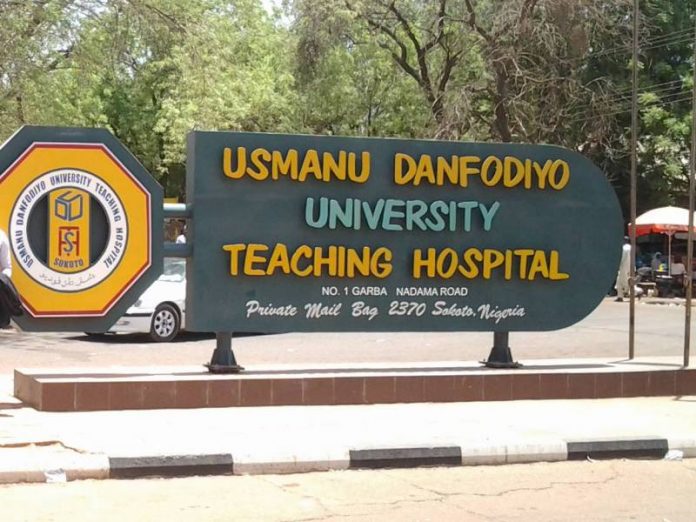
Danfodiyo-University-teaching-hospital UDUTH
The outgoing Chief Medical Director of Usman Danfodiyo University Teaching Hospital (UDUTH), Sokoto, Professor Anas Sabir, has explained how they managed to retain medical doctors and other staff in the hospital.
He said that the institution’s residency training programmes had played a critical role in producing specialists to fill existing gaps.
Speaking to Daily Trust, Prof Sabir, who is wrapping up his tenure at UDUTH, said that the hospital had sustained its workforce through its internal training programmes.
“We have training schools here. As others are leaving, if we get the necessary waivers, we are able to replace them. That has helped to stabilise the system.”
He spoke on the heels of the increased departure of medical doctors and other personnel in search of greener pastures.
He said the hospital recorded significant progress during his tenure, particularly in infrastructure and service delivery.
He listed key achievements to include the upgrade of critical units such as the Accident and Emergency department, Intensive Care Unit (ICU), and construction of new facilities, including wards, a molecular laboratory, and a brachytherapy centre.
The hospital also acquired modern equipment such as a radiotherapy machine, CT scan units, and advanced surgical tools, enabling it to handle complex procedures like open-heart surgery, neurosurgery, and renal transplants.
Prof Sabir further noted that improved computerisation has enhanced accountability and efficiency in service delivery, saying patients from all walks of life thronged to the facility for medical attention.
Prof Sabir, however, said insecurity remained one of several challenges facing the hospital, adding that poor electricity supply is a major constraint affecting operations.
“As we are talking now, every case comes here — whether primary, secondary or tertiary…We cannot turn them back,” he said.
The hospital, he said, will continue to rely on capacity building and structured systems to maintain stability and improve healthcare services despite the pressures.