
Hundreds of Palestinians killed one month after Israel-Hamas ceasefire
One month after the Israel–Hamas ceasefire, hundreds of Palestinians have been killed despite hopes for peace. The truce, brokered by the United States, Egypt, and Qatar and officially enacted on October 10, 2025, was meant to end months of relentless bombardment and humanitarian collapse in Gaza and the occupied West Bank. Instead, within weeks, Israel […]
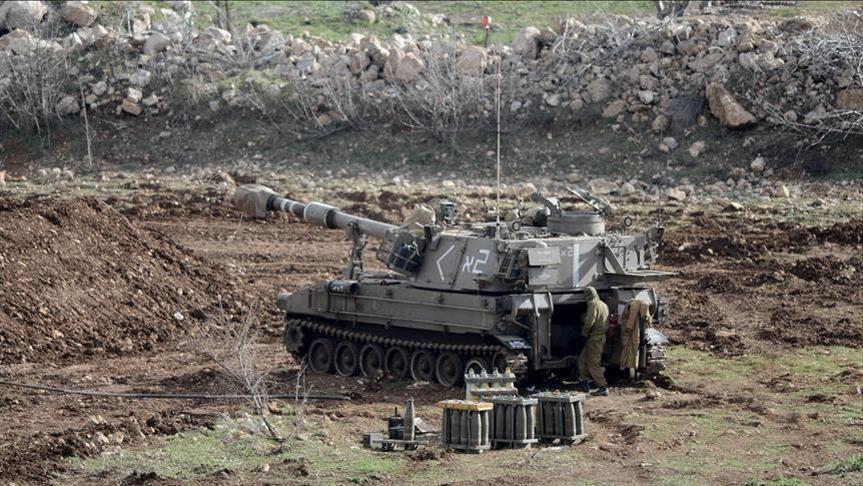
One month after the Israel–Hamas ceasefire, hundreds of Palestinians have been killed despite hopes for peace.
The truce, brokered by the United States, Egypt, and Qatar and officially enacted on October 10, 2025, was meant to end months of relentless bombardment and humanitarian collapse in Gaza and the occupied West Bank.
Instead, within weeks, Israel repeatedly violated the agreement, launching deadly raids and airstrikes that have left hundreds of Palestinians dead and thousands displaced, turning what was supposed to be a respite into yet another chapter of violence and despair, according to Al Jazeera and Gaza’s Government Media Office.
On October 16, Al Jazeera reported the deadliest breach of the truce, when 11 members of the Abu Shaaban family, including seven children and three women, were killed in Gaza City after a tank shell struck their vehicle. The attack shocked Palestinians who had hoped the ceasefire would bring respite.
By November 11, Gaza’s Government Media Office confirmed that Israel had violated the ceasefire at least 282 times, killing 242 Palestinians and injuring 622.
These violations included 124 bombings, 88 shootings at civilians, 12 raids on residential areas, and 52 demolitions of property. The office also reported that 23 Palestinians were detained during this period.
The violence spread beyond Gaza. In the West Bank, Israeli forces shot and killed two Palestinian children in Beit Ummar, north of Hebron, while raids in towns such as Birzeit and Anabta led to arrests and injuries. Settler violence escalated, with mosques torched in Salfit and Deir Istiya, and olive groves uprooted in Qalqilya.
Al Jazeera’s coverage highlighted that the ceasefire was “a truce in name only,” as Israeli military operations continued almost daily.
Analysts noted that the violations were not isolated incidents but part of a broader strategy to maintain pressure on Palestinian communities despite international calls for restraint.
Settler violence, mosque storming
The ceasefire has not stopped Israeli settlers from intensifying attacks under police protection.
Just as yesterday, Thursday, November 13, nearly 1,000 settlers stormed the Al‑Aqsa Mosque compound in East Jerusalem, performing religious rituals in violation of the decades‑old status quo. Hamas and Jordan condemned the assault, warning it risked igniting broader instability.
Settler violence has also targeted Palestinian religious sites. On the same day, settlers torched the Hajja Hamida Mosque near Deir Istiya, while another mosque in Salfit was set ablaze.
Hamas described the attacks as revealing “the sadism and racism of the occupation,” while Jordan’s Foreign Ministry warned that such extremist policies risked sparking wider conflict.
The brutality has extended to personal tragedies. In Gaza City, 12‑year‑old Raghad al‑Assar was mistakenly declared dead after an Israeli strike killed her sisters; she was later found alive in a morgue after eight hours. Her story illustrates the chaos and trauma inflicted on civilians, where even survival is marked by unimaginable suffering.
Meanwhile, the humanitarian situation worsens. The Palestinian Civil Defence in Rafah warned of an imminent disaster as winter storms approach. Tens of thousands of displaced families remain in tents and destroyed homes in Khan Younis, Rafah, and along the coastal strip, lacking basic protection from cold and rain. Without urgent intervention, severe consequences are expected.
Israeli military actions have also targeted livelihoods. Again yesterday, Israeli forces issued new land seizure orders in Qalqilya, uprooting olive trees and expanding confiscated territory from 2.3 dunums to 5.137 dunums. Such measures deepen the dispossession of Palestinian communities and fuel resentment.
In addition, Israeli raids in the West Bank have become routine. Al Jazeera reported that Israeli forces fired shots at Palestinians in Anabta, east of Tulkarem, and arrested youths in Birzeit. These raids, often accompanied by live fire, have left communities in fear and mourning.
The violence has also spilled into Lebanon. On November 13, an Israeli aerial attack targeting a vehicle in the southern town of Toul injured one person, raising concerns of regional escalation.
Is the ceasefire a phantom truce
The October 10 ceasefire was intended to bring relief to Palestinians after months of war. Instead, it has been systematically undermined. Hundreds of Palestinians have been killed since its declaration, mosques burned, land seized, and children targeted, according to Al Jazeera’s documentation.
The cycle of violence marked by settler impunity, military raids, and mass displacement underscores the urgent need for accountability and international intervention. Without it, the ceasefire remains little more than a fragile illusion, as Palestinians continue to pay the price in lives, dignity, and survival.
The international community has repeatedly called for restraint, but the persistence of violations highlights the imbalance of power and the lack of enforcement mechanisms. For Palestinians, the ceasefire has offered little more than a pause between tragedies.
The stories of families like the Abu Shaabans, of children like Raghad al‑Assar, and of communities watching their mosques and olive groves being destroyed are stark reminders that peace remains elusive.
Until accountability is enforced and the cycle of impunity broken, the ceasefire will remain symbolic, while Palestinians continue to endure what many describe as collective punishment.