
Hurdles as Reps move to increase Lagos LGs to 57
The House of Representatives has commenced a move to upgrade the 37 Local Council Development Areas (LCDAs) in Lagos State to full-fledged local government areas (LGAs) listed in the 1999 constitution. However, controversy is trailing the proposal, which has recently passed second reading in the House of Representatives. Daily Trust reports. The creation of LCDAs […]
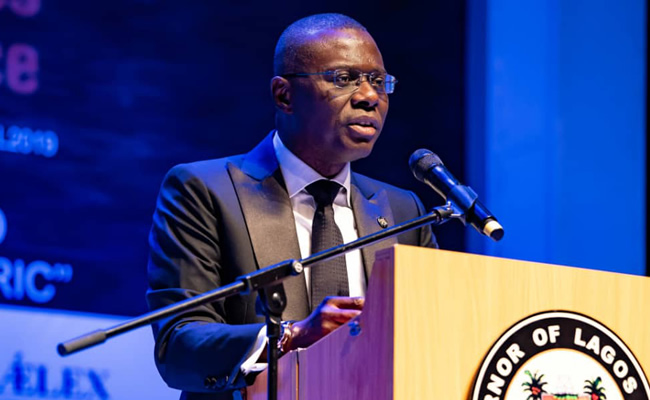
Governor Babajide Sanwo-Olu
The House of Representatives has commenced a move to upgrade the 37 Local Council Development Areas (LCDAs) in Lagos State to full-fledged local government areas (LGAs) listed in the 1999 constitution. However, controversy is trailing the proposal, which has recently passed second reading in the House of Representatives. Daily Trust reports.
The creation of LCDAs in 1999 by the then Governor Bola Ahmed Tinubu pitched him against the then federal government under former President Olusegun Obasanjo, which rejected the creation of the LCDAs and blocked the allocation due to the 20 constitutionally recognised local governments.
Daily Trust reports that it took a Supreme Court judgement, which ruled in favour of the local governments before the blocked LG funds were released.
According to the justices of the court, the creation of the LCDAs followed the laid down procedures for the creation of the 37 LCDAs. The court said though the creation was inchoate, the LCDAs were new born babies that cannot be aborted.
Since the creation of the LCDAs, Daily Trust reports, the state government has been conducting elections into the 20 LGs and 37 LCDAs while the allocations accrued to the LGs are shared with the LCDAs.
For instance, the allocation accrued to Ikeja Local Government, for instance, which was listed in the constitution is shared with the two LCDAs – Onigbongbo and Ojodu – carved out from it.
Following the recent Supreme Court judgement, which granted autonomy to the 774 local governments with a specific directive for their allocation to be remitted directly to their account, there have been speculations over the fate of the 37 LCDAs. The fear stemmed from the fact that allocations to the LGs would now be tracked directly by the federal government while any observed diversion could raise suspicion on the management of the funds to ascertain whether the verdict of the apex court has been fully complied with.
The Lagos State government at the time allayed the fears, assuring that the councils would not be stranded.
The ruling party in the state, APC, also insisted the local council development areas have come to stay, adding that council elections would be conducted in the 20 LGs and 37 LCDAs this year.
“We observed with keen interest the recent debates on the desirability of the existence of the LCDAs and the need to hold elections in their political offices. Our position as a progressive party is that we cannot discountenance the contributions of the LCDAs to the overall political and socio-economic development of the state,” said APC Publicity Secretary, Seye Oladejo.
However the bill to convert the LCDAs into LGs is generating ripples in the polity.
The bill, sponsored by James Faleke and 19 other lawmakers, passed the second reading at the green chamber on Wednesday.
If enacted, it would increase the number of LGAs in Lagos from 20 to 57, officially recognised by the constitution.
The sponsors of the bill premised it on the need to align Lagos’ administrative structure with its growing population, saying granting full LGA status to the LCDAs would bring governance closer to the people.
However, there are fears that the move, which might trigger similar calls in other states. Creation of states or local governments has been a thorny issue in Nigeria’s politics. Despite the questions around the viability of the existing states, who rely largely on the federal allocation, there are persistent clamours for the creation of more states. The House of Representatives recently confirmed receiving applications for creation of 31 additional states.
Just like ethnic nationalities are agitating for the creation of more states, many states are actually agitating for more local governments to be created. Some states have also adopted the LCDAs structure. Former Ogun State governor, Ibikunle Amosun created 37 LCDAs out of the 20 LGAs but his successor and incumbent Governor Dapo Abiodun reversed the decision and reverted to the 20 LGAs.
So far, only Lagos State has, against all odds, retained the creation of the LCDAs, which have become part and parcel of the local government structure in the state. And since their creation, elections were conducted into the LCDAs every three years and preparations have reached crescendo for the conduct of another council elections.
Analysts say what is happening in Lagos State reflects the dictate of true federalism, which empowers the states as federating units to create the number of local governments they so desire.
The move to enlist the 37 LCDAs in Lagos State was also fueled by what analysts believe as the strength demonstrated by the LGs and LCDAs in the state in terms of revenue generation, leveraging on the state’s population and intense commercial activities.
Speaking with our correspondent, Prince Justice Faloye, a spokesperson for Afenifere, the pan-Yoruba sociopolitical organisation, said the states should be made to create the local governments as they wish as long as they can fund them.
“We know states without as much population as Lagos have more local governments but we still believe that we should restructure the whole thing. We are against the piecemeal approach to restructuring. We need a wholesome restructuring. If we really follow the concept of federalism, the federal government has no business with local government. Local governments are administrative units of the federating units which are states. We are after devolution of more power to the states and let the states create the local governments as they wish.”
However, the Northern Youth Council of Nigeria (NYCN) through its National President, Isah Abubakar, kicked against the bill, stating that it was unfair and a threat to national unity.
The NYCN warned that the proposed change would unfairly favour Lagos State, undermining fairness and equality in governance.
Instead, the group advocated for a thorough review of local governance structures in the country to ensure fair representation and consideration of diverse needs.
It advised Nigerian governors, especially those from the Northern region, to oppose the bill.
The NYCN reaffirmed its dedication to advancing unity, fairness, and equal opportunities in governance, cautioning lawmakers to carefully weigh the potential consequences of the bill.
The problem with the bill
Constitutional lawyer, Dr. Wunmi Bewaji said the bill, even if passed into law, might not receive the president’s assent because of the fear that it could trigger a flurry of similar requests from other states.
Bewaji, who is the Executive Secretary, Coalition of Democrats for Electoral Reform (CODER), said, “I don’t see the bill scaling through because there are other states that have created LCDAs. Once it is approved for one state, the National Assembly may have to approve for others too. One state tomorrow can say he is creating 100 local governments.”
The legal luminary reiterated that the local governments have nothing to do in the constitution if the dictates of the federal system are to be followed to the latter.
“The name of Nigeria by law is the Federal Republic of Nigeria, people have forgotten. This is a federal republic, the federal government or federal parliament has nothing to do with local government administration. Each sub-unit, the state, should be allowed to have the number of local governments they can manage.
“The problem we have will never go away until we abolish the local government reform of 1976 that imposed a uniform local government system on us. Nigeria is a federation. We can be united but we don’t have to be uniform. I commend the people who have promoted the bill but it is really not going to work. I don’t see the President assenting to it even if it is passed by the National Assembly.
“If we have to do a holistic local government creation, it would have to encompass all the 36 states and we have to devise the yardsticks by which we want to divide the state. So I don’t see it scaling through.”
Will President Tinubu, who created the LCDAs in the first place and fought tooth and nail with former President Olusegun Obasanjo, assent to the bill? Only time will tell as it undergoes legislative process.