
IMF meetings: Edun leads Nigerian delegation, pushes for global support
Nigeria’s Minister of Finance and Coordinating Minister of the Economy, Wale Edun, is leading the country’s delegation to the 2026 Spring Meetings of the International Monetary Fund and World Bank in Washington, D.C., with a strong call for increased global support amid mounting economic pressures. The meetings, holding from April 13 to 18, come at […]
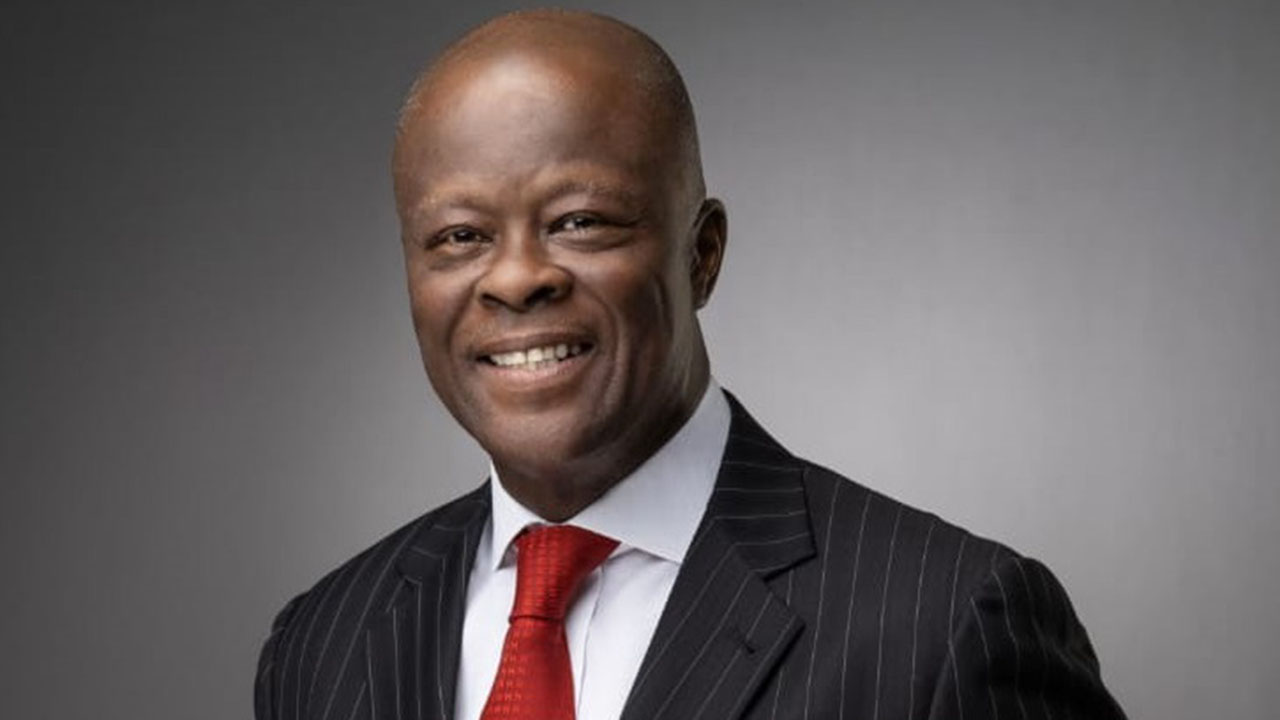
Olawale Edun, Finance Minister
Nigeria’s Minister of Finance and Coordinating Minister of the Economy, Wale Edun, is leading the country’s delegation to the 2026 Spring Meetings of the International Monetary Fund and World Bank in Washington, D.C., with a strong call for increased global support amid mounting economic pressures.
The meetings, holding from April 13 to 18, come at a time of heightened global uncertainty driven by geopolitical tensions, particularly the ongoing crisis involving the United States and Iran, which has continued to disrupt global markets and fuel inflationary trends.
In a policy brief released ahead of the meetings, Nigeria outlined its key priorities, centring on the need for fairer global financial conditions, reduced cost of capital, and sustained support for developing economies facing external shocks.
Edun noted that while rising crude oil prices present an opportunity to boost Nigeria’s foreign exchange earnings and fiscal revenues, the broader economic impact remains challenging. Increased energy costs have translated into higher domestic fuel prices, worsening inflationary pressures on households and businesses.
Petrol prices have surged significantly in recent weeks, while diesel costs have also climbed sharply, reflecting the transmission of global oil price increases into the domestic economy. The government warned that these developments are eroding purchasing power and complicating poverty reduction efforts.
Nigeria is also grappling with tightening global financial conditions, as investors shift toward safer assets, limiting capital inflows into emerging markets. Additionally, disruptions in global shipping routes are pushing up freight costs, further exacerbating import prices and inflation.
At the meetings, Edun is expected to engage with global financial leaders, development partners, and private investors to position Nigeria as an attractive investment destination despite current headwinds. Discussions will focus on strengthening the country’s fiscal outlook, advancing ongoing reforms, and unlocking new financing opportunities.
The Federal Government maintains that Nigeria is better equipped to withstand current shocks due to a series of macroeconomic reforms implemented since 2023. These include fuel subsidy removal, exchange rate liberalisation, and efforts to diversify financing sources and strengthen economic institutions.
According to Edun, the next phase of Nigeria’s economic strategy will prioritise growth, investment, and job creation. This includes scaling private sector participation, deepening domestic capital markets, and leveraging opportunities under the African Continental Free Trade Area to expand trade.
Meanwhile, Managing Director of the IMF, Kristalina Georgieva, has warned that the global economy is facing significant headwinds, with growth projections expected to be downgraded due to the ongoing conflict.
She noted that inflationary pressures may persist longer than anticipated, as global prices are unlikely to return quickly to pre-crisis levels.
As deliberations continue in Washington, Nigeria is seeking to align its reform agenda with broader global efforts to stabilise economies, protect vulnerable populations, and build resilience in an increasingly volatile world.
Meanwhile, as the meeting gets underway, the Intergovernmental Group of Twenty-Four on International Monetary Affairs and Development (G-24) which coordinates the positions of emerging market and developing countries on international monetary and development finance issues would hold a briefing today (Tuesday) after its meeting.
The theme of the 2026 G-24 Ministers, Central Bank Governors, and their Deputies meetings will be “Optimizing Resource Mobilization for Inclusive and Job-Rich Growth.”
In addition to the main theme on the agenda for discussion, the Communique will state the G-24 position on global economic conditions, macroeconomic and financial stability, international liquidity and financing, debt sustainability, climate finance, international tax cooperation, the global trading system, and the role of Multilateral Development Banks in financing sustainable development goals.
The status of the quota and governance reforms at the IMF and the ongoing discussions on the World Bank Evolution Roadmap will also be discussed.
G-24 Membership comprises Africa: Algeria, Côte d’Ivoire, Egypt, Ethiopia, Gabon, Ghana, Kenya, Morocco, Nigeria, South Africa, and the Democratic Republic of Congo; Latin America and the Caribbean: Argentina, Brazil, Colombia, Ecuador, Haiti, Guatemala, Mexico, Peru, Trinidad and Tobago, and Venezuela and Asia: India, Iran, Lebanon, Pakistan, the Philippines, Sri Lanka, and Syria while there is also China as a special invitee.