
INEC, Electoral Hub seek actions against violence against women, PWDs in electoral system
The independent National Electoral Commission (INEC) and the Electoral Hub, have called for concrete actions to tackle violence and other forms of discrimination against women ans persons with disabilities (PWDs) in the nation’s electoral system. This is part of the resolution of a one-day stakeholders workshop on ‘Violence Against Women and Persons With Disabilities in […]
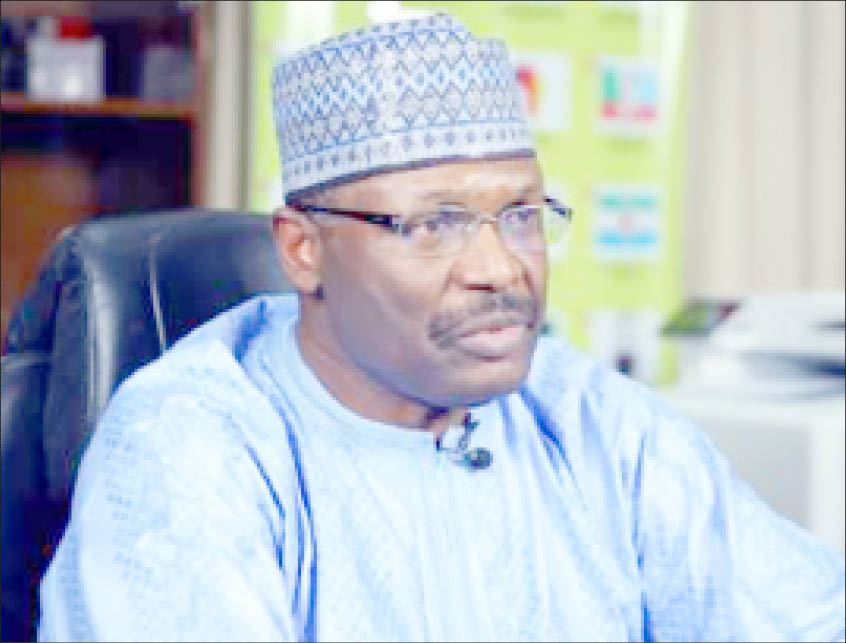
INEC chairman, Prof Mohmood Yakubu
The independent National Electoral Commission (INEC) and the Electoral Hub, have called for concrete actions to tackle violence and other forms of discrimination against women ans persons with disabilities (PWDs) in the nation’s electoral system.
This is part of the resolution of a one-day stakeholders workshop on ‘Violence Against Women and Persons With Disabilities in Elections (VAWPWDiE)’ in Abuja.
They further highlighted the need to address underlying challenges with elections in Nigerian including, the undemocratic conduct of political parties, desperation of politicians, zero sum politics, urgent need to hold electoral duty bearers accountable.
The meeting was part of a collaborative project between The Electoral Hub and INEC’s Department of Gender and Inclusivity themed: ‘Electoral Inclusivity Matters! Addressing Violence Against Women and PWDs in the 2023 Off-Cycle Governorship Elections in Bayelsa, Imo, and Kogi States’.
The Director, IRIAD-The Electoral Hub, Princess Hamman-Obels, the project is aimed at improving electoral inclusion by addressing violence against women and PWDs in elections in Nigeria.
She said that this was to also deepen electoral accountability and integrity through increased participation of vulnerable and marginalized groups for quality and credible elections.
The event had INEC Gender and Inclusivity Department led by the Director, Lakunuya Dorathy Bello and chaired by Prof. Kunle Ajayi, Chairman, INEC Outreach and Partnership Committee represented by Prof Ibrahim Sani, Director of Training, The Electoral Institute (TEI).
Prof Sani noted the importance of the baseline research to include: the conduct of a generic appraisal of the prevalence, manifestations, and impact of violence against women and PWDs on their participation in the electoral process among others.
The report said that violence against women and PWDs in elections was present across all three off cycle governorship elections of Imo, Bayelsa and Kogi states.
“Violence against women and PWDs in elections manifests in various forms, including physical abuse, verbal abuse, intimidation amongst others.
“Although security measures are available, they are not specifically targeted at protecting women and PWDs from violence,” he said.
Participants were also informed that security personnel and electoral staff are sometimes helpless when violence against women and PWDs are perpetrated.
They noted that violence against women and PWDs is perpetrated by several actors including political thugs, party agents, security personnel in some cases, and even other voters.
The forum recommended that duty-bearers neither reported cases of violence against women and PWDs nor effectively acted to prevent or punish offenders.
“There is urgent need for actions including arrests and prosecution of perpetrators of violence as violence against women and PWDs in elections adversely impacts their participation as voters, political actors, observers and party agents.
“Community awareness and action is limited and there is a need for concerted efforts at getting the leadership of communities to mainstream addressing violence against women and PWDs in elections,” they said.
Some of the Policy Recommendations and Implementation Strategies for addressing VAWPWDiE informed by the Baseline Research include security agencies to formulate policies that enhance security measures during elections, ensuring the safety of all voters, especially women and PWDs.
INEC and other relevant governmental bodies should conduct training programs for election officials on gender sensitivity and disability awareness, enforce anti-discrimination policies, and establish mechanisms for reporting and addressing violations.
According to the report, “There is urgent need to conduct security risk assessments to determine the security risks faced by women and PWDs and adequate preventive and safeguarding measures put in place.”