
Inflation: CBN warns of further tightening, hikes interest rate to 14%
CBN) has raised the Monetary Policy Rate (MPR) from 13% to 14% in a bid to curb rising inflation
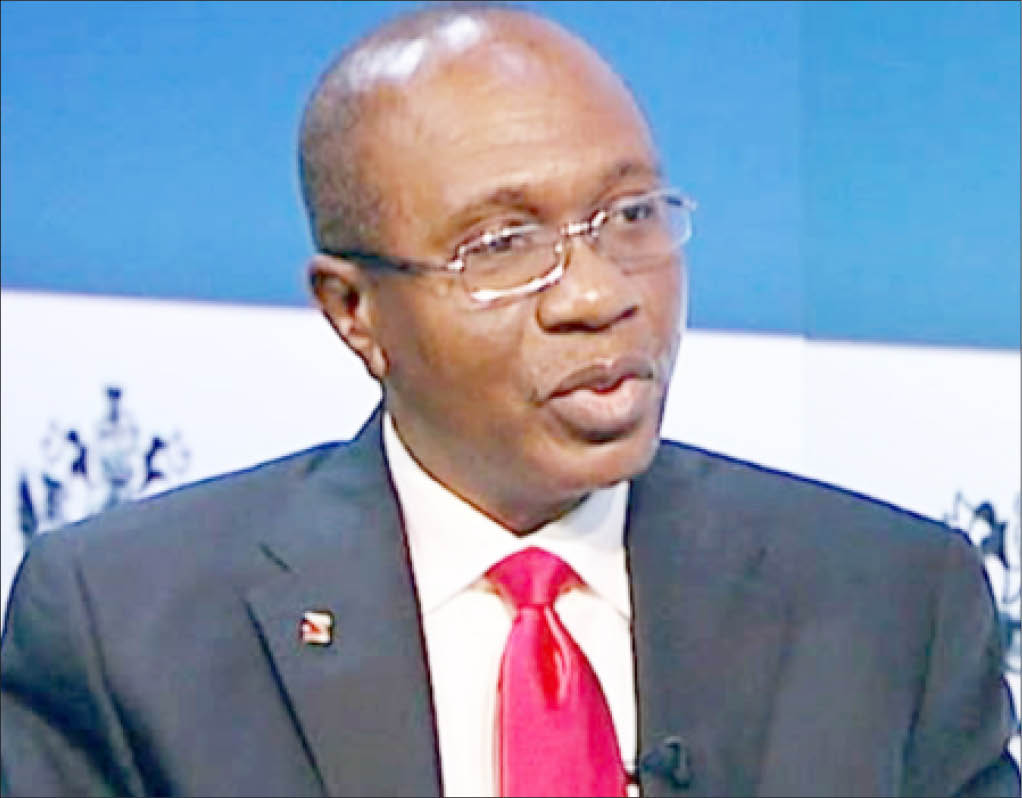
CBN governor, Godwin Emefiele
The Monetary Policy Committee (MPC) of the Central Bank of Nigeria (CBN) has raised the Monetary Policy Rate (MPR) from 13% to 14% in a bid to curb rising inflation, warning of further tightening if prices continue to rise.
MPR, which is the baseline interest rate around which all other lending rates revolve, was pegged at 11.5% for over two years before it was hiked to 13% in May.
- EXPLAINER: Four ways New Monetary Rate can affect you
- Mixed reactions over possible interest rate hike as CBN’s monetary committee meets
The last time Nigeria adopted an interest rate of 14% was February 2019.
The chair of the committee and Governor of CBN, Godwin Emefiele, who disclosed this at the end of the 286th meeting of the MPC in Lagos, said members noted that a previous 150 basis points rate increase in May had not permeated enough in the economy to halt rising inflation, which came in at 18.6% in June, its highest level in more than five years.
Emefiele stated that the rising inflation and the low purchasing power of Nigerians were key to the MPC’s decision as members were of the view that tightening would signal a strong determination of the apex bank to aggressively address its price stability mandate and portray its sensitivity to the impact of inflation on vulnerable households and the need to improve their disposable income.
“Addressing the balance of policy objectives and developments in the global and domestic environment, the committee resolved that the most rational policy option would be to further strengthen its tightening stance in order to effectively curtail the unabated rising trend of inflation. Members were conscious of the fact that output growth remained fragile; however, not curtailing inflation now could erode the moderate gains achieved in improving consumer purchasing power and thus worsen poverty level for the vulnerable populace. To ensure that output still remains in focus, the MPC advised the bank’s management to continue to use its development finance tools to support the agricultural and manufacturing sectors,” he said.
He said the committee was unanimous in the decision to raise the MPR as it didn’t consider both loosening and retaining rates at existing level at the meeting. He said this is because on loosening, the MPC felt it could worsen the existing liquidity condition in the economy and further dampen money market rate, necessary to stimulate savings and investment while a hold stance may suggest that the bank is not responding sufficiently, to both the global and domestic price development, as inflation numbers continue to trend aggressively upwards.
“The committee thus voted unanimously to raise the Monetary Policy Rate (MPR). One member voted to increase the MPR by 150 basis points, six members by 100 basis points, one member by 75 basis points and three members by 50 basis points. Consequently, the committee resolved to increase the MPR by 100 basis points from 13.0 per cent to 14.0 per cent,” he added.
However, the committee retained the asymmetric corridor at +100/–700 basis points around the MPR, the Credit Reserve Ratio (CRR) at 27.5% as well as liquidity ratio at 30%.
Hike in interest rate may not curb inflation – Experts
Experts have reacted to the hike in interest rates from 13 per cent to 14 per cent by the Monetary Policy Committee of the Central Bank of Nigeria.
They expressed fear that the hike in interest rate by the CBN may have little or no impact on Nigeria’s rising inflation rates.
An economist, Prof. Uche Uwaleke, told Daily Trust that: “The hike in the MPR in quick succession from 11.5% to 13% in May and now to 14% could signal panic on the part of the CBN and heighten uncertainty.
“This policy stance may not necessarily curb inflationary pressure given that the pressure is not coming from monetary factors but from high costs of petroleum products, electricity and insecurity,” he said.
He added that the MPC decision will have some implications on the economy.
“So, expect to see in the coming months higher cost of borrowing, widening government deficit, slower economic growth, rising unemployment and bearish stock market,” Uwaleke added.
Also speaking, A Senior Partner with SPM Professionals, Mr Paul Alaje, also expressed similar views on why the hike in interest rate may not tackle rising inflation.
Mr Alaje said although the rationale behind the CBN’s decision is to curb inflation, it may not achieve its target owing to the current economic headwinds.
“If you ask me, the CBN can justify its decision for hiking the rates by 100 basis points but it may not achieve its objective as cost push is the rationale behind inflation rather than demand push.
“As such, the only solution to this problem is to bring the fiscal authorities on board from the ministry of finance, budget and national planning, Industry, trade and investment, and other fiscal authorities on how to strategies and come up with policies that will slow down inflation, because the monetary authority in the case of CBN can’t curb inflation alone,” he said.
Meanwhile, the Centre for Promotion of Private Enterprise (CPPE) has described the outcome of the MPC meeting as unexpected and undesirable.
Though the decision according to CPPE was in line with the policy tightening trend by central banks globally, it failed to reckon with domestic peculiarities.
The Chief Executive Officer (CEO) of CPPE, Dr Muda Yusuf, pointed out that the key drivers of Nigeria inflation are supply side variables, and not demand-driven.
He further revealed that the previous hike in policy rate of 150 basis point in May did not have any significant impact on the inflation numbers; instead, the general price level became more elevated.
From Abiodun Alade & Christiana T. Alabi (Lagos) Philip Shimnom Clement (Abuja)