
Intervention or Interference? The True Cost of Changing International Foreign Policy in Africa
The recent report by Jeune Afrique accusing Russian Wagner Group mercenaries of racism and severe human rights abuses in Mali, including torture and extrajudicial killings, casts a shadow on the complex nature of foreign engagement in Africa. While the Malian authorities vehemently deny Wagner’s presence and dismiss the allegations, the report, based on an infiltration […]
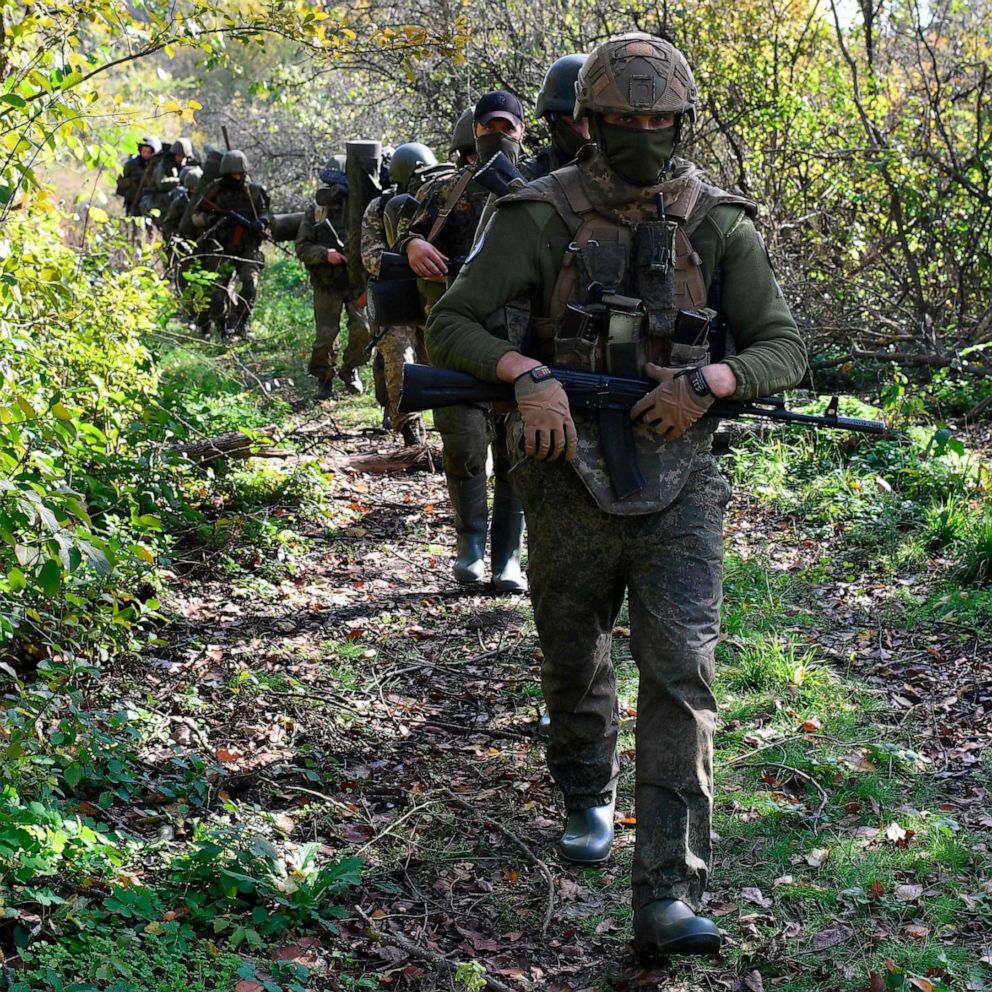
The recent report by Jeune Afrique accusing Russian Wagner Group mercenaries of racism and severe human rights abuses in Mali, including torture and extrajudicial killings, casts a shadow on the complex nature of foreign engagement in Africa. While the Malian authorities vehemently deny Wagner’s presence and dismiss the allegations, the report, based on an infiltration of a Telegram group and corroborated by previous verifications of atrocities, including the killing of 28 civilians, serves as a reminder that the operations of external actors (whether state-sponsored or mercenary) in Africa often comes with destructive consequences. So, we have to ask: is foreign involvement in Africa truly an “intervention” aimed at progress and stability, or does it more often descend into “interference,” extracting a heavy and often unacknowledged cost?
The distinction between “intervention” and “interference” is important. Legitimate intervention, ideally multilateral and driven by humanitarian obligations or genuine capacity building, seeks to empower African nations and aid their self-determination. It respects sovereignty and aligns with African priorities. Interference, on the other hand, is characterized by unilateral actions, the pursuit of narrow national interests, support for autocratic regimes, resource exploitation, or the imposition of contextually misaligned political models, which only aggravate existing conflicts and undermining long-term stability. The history of foreign engagement in Africa, from the colonial era to the present day, is filled with instances where this line has been blurred, often to Africa’s detriment.
The roots of this complex dynamic are deeply embedded in Africa’s colonial past. The “scramble for Africa” in the late 19th century, driven by European powers’ insatiable demand for resources and markets, carved up the continent with arbitrary borders, dividing ethnic groups and merging contrasting communities. This artificial partitioning laid the groundwork for future conflicts and continues to undermine national cohesion in many African states. The colonial project was fundamentally an act of interference, exploiting resources and labour while imposing political and economic systems designed to serve the colonizers, not the colonized. Even after gaining nominal independence in the mid-20th century, many African nations found themselves grappling with the enduring legacies of these imposed structures and continued reliance on their former colonial masters for aid, trade, and policy advice.
During the Cold War, Africa became a major theatre for proxy conflicts between Western and Eastern blocs. Both sides supported various factions, often with little regard for democratic principles or human rights, as long as their strategic interests were served. This period saw a dramatic increase in political instability, coups, and civil wars, fueled by external arms and financial support. The true cost was borne by African populations, who suffered under repressive regimes and endless cycles of violence and had their developmental aspirations often sacrificed at the altar of superpower rivalry.
Post-Cold War, the rise of transnational terrorism in the Sahel and other regions has further complicated international engagement. Counter-terrorism efforts, while necessary, have at times led to increased military presence and operations that have been both effective and criticized for their heavy-handedness and unintended consequences, including civilian casualties and alienation of local populations. The withdrawal of French troops from Mali, for instance, left a security vacuum that the transitional authorities swiftly moved to fill with new partners, most notably the Wagner Group.
The case of the Wagner Group in Mali is an illustration of this problematic dynamic. The Jeune Afrique report highlights disturbing allegations of human rights abuses, including torture and extrajudicial killings, carried out by these mercenaries now operating under the “Africa Corps” banner. The graphic content shared within their Telegram group, featuring racial slurs and chilling accounts of violence, points to a mercenary culture deeply antithetical to humanitarian norms. The reported killing of 28 civilians near Tessalit, previously verified by RFI, underscores the severity of these alleged crimes.
Mali’s transitional authorities, who came to power through military coups, have consistently denied Wagner’s presence, instead referring to Russian “military instructors” or “advisers.” This denial, coupled with their dismissal of allegations as attempts to discredit the army or politicize human rights, raises serious concerns about accountability and transparency. The strategic alliance with Russia, particularly through private military companies like Wagner (and its successor, Africa Corps), is seen by some African leaders as an alternative to what they perceive as patronizing or conditional Western partnerships. Russia, in turn, leverages these engagements to expand its influence, undermine Western interests, and gain access to valuable natural resources, often with little regard for human rights records.
The economic consequences of international foreign policy have also been significant. The continuation of resource extraction paradigms, inherited from the colonial era, often sees African nations exporting raw materials at low prices while importing finished goods, hindering industrialization and value addition. International financial institutions, often heavily influenced by foreign powers, have imposed structural adjustment programs that, while sometimes necessary, have also led to cuts in social services and increased economic hardship.
African perspectives on this external military presence are diverse but increasingly critical. There is a growing sentiment that foreign military bases and operations, while sometimes offering short-term security benefits and critical support to struggling militaries, also undermine national sovereignty and can escalate regional tensions. The decision by Mali, Burkina Faso, and Niger, to form the Alliance of Sahel States (AES) and move away from Western security partners, reflects a yearning for greater self-determination and control over their own security architectures.
Moving forward, the path to true partnership demands that Western nations move beyond a model of “intervention” that can often resemble “interference,” and instead embrace genuine collaboration based on mutual respect, shared interests, and African leadership. This means:
- Prioritizing African Agency: By continuing its longstanding support for African-led initiatives and regional organizations (like the African Union and ECOWAS) in addressing security, governance, and development challenges, the international community stands in better stead to foster a future partnership with Africa that is more on an equal and surer footing than it is at present.
- Respecting Sovereignty: Deploying a consultative foreign policy approach that acknowledges the unique contexts of each African nation, based pragmatic and tangible support mechanisms without the conditionalities of the imposition of impractical and culturally incompatible political and socio-economic models.
- Promoting Partnerships by Recalibration of Support: Indeed, the recent spate of “political rejections” of the traditional models of support from western nations, instead of being seen as a negative, could be interpreted as an opportunity for a more expedient and solutions-based support model based on specific requests of these sovereign countries for particular types of assistance (humanitarian, military, economic, etc). This would go a long way to make the “last resort” interventions from unaccountable actors such as the private military companies, a practical and realistic redundancy.
- Ensuring Accountability: Holding all external actors, especially private military companies, accountable for human rights abuses and adhering to international law. This includes supporting investigations and consequent action by bodies like the International Criminal Court where appropriate, ensuring justice for the atrocities allegedly committed by the likes of the Wagner group. Beyond that, individual countries ought to take responsibility, and act against private entities operating within Africa that are allied to their nations. For instance, the Russian Federation would do well to actively investigate these allegations and treat them with utmost seriousness.
The tragic events unfolding in Mali, and similar situations across the continent, can help us measure the true cost of foreign policy, especially the type that veers into interference. This measurement is not just in dollars or military might, but in lost human lives, prolonged instability, undermined sovereignty, and stifled development. It is only by embracing genuine partnership can the international community truly contribute to a more peaceful, prosperous, and self-determined future for Africa.