
Iran’s spy hunt: 21,000 arrested in war on espionage
Iran’s announcement that it arrested 21,000 “suspects” during its 12-day war with Israel and the United States has raised eyebrows across the international community. The figure, disclosed by police spokesperson Saeid Montazerolmahdi, followed a wave of Israeli airstrikes that began on June 13, targeting Iranian nuclear and military facilities and killing top officials, scientists, and […]
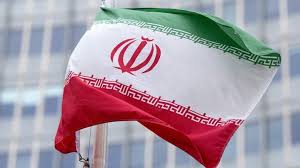
iran
Iran’s announcement that it arrested 21,000 “suspects” during its 12-day war with Israel and the United States has raised eyebrows across the international community.
The figure, disclosed by police spokesperson Saeid Montazerolmahdi, followed a wave of Israeli airstrikes that began on June 13, targeting Iranian nuclear and military facilities and killing top officials, scientists, and hundreds of civilians.
According to Montazerolmahdi, the arrests were driven by a 41 per cent surge in public tip-offs, as citizens were encouraged to report suspicious behaviour.
“There was a 41 per cent increase in calls by the public, which led to the arrest of 21,000 suspects during the 12-day war,” he said.
However, the spokesperson did not clarify the nature of the suspicions or how many of those detained remain in custody.
The crackdown was, however, extended beyond Iranian nationals as Afghan refugees and migrants were also swept up in the security dragnet, with 2,774 reportedly deported and 30 “special security cases” discovered through phone examinations.
Authorities also arrested 261 individuals on espionage charges and 172 for unauthorised filming.
Iran has since executed seven men convicted of spying for Israel, a move that shows the seriousness with which Tehran views the threat of foreign intelligence operations.
Montazerolmahdi further revealed that police handled over 5,700 cybercrime cases during the war, describing cyberspace as “an important battlefront.”
While the Iranian government frames the arrests as a necessary response to wartime espionage, international affairs analysts caution against taking the numbers at face value.
Dr Suleiman Baba, an international affairs expert at the Federal University of Kashere, told Daily Trust that the scale of arrests may reflect wider political motives and historical patterns of overreach.
“There is nothing surprising in what the Iranian government is doing concerning the spies. But there are so many complexities that need to be unfolded for someone to understand it.”
Between security and circumstance
Dr Baba pointed to the vast resources allocated to intelligence by countries like the United States and Israel, suggesting that Iran’s suspicions may not be entirely unfounded.
“If you look at the CIA and Mossad specifically, there are many academic works, writings, speculations and allegations that they are a government within a government,” he said.
He added, “They finance themselves, they operate themselves through shoddy deals like running a drug cartel syndicate, black market arms, and so many other things.”
He drew parallels with Turkey’s post-coup crackdown in 2016, where thousands were arrested on suspicion of supporting the failed attempt.
“Historically, we have seen such. They cracked down on almost 16,000 suspects. But after investigation, some were released, some were relieved of their duties, and others were found innocent.”
Dr Baba also referenced Nigeria’s Operation Safe Corridor, which rehabilitates former Boko Haram fighters. “Almost half of those demobilised were victims of circumstances.
“Some were pinpointed by enemies, caught in crossfire, or simply perceived as threats.”
He believes the same dynamic is likely at play in Iran. “Many were pulled as victims of circumstances.
“I believe this number will drastically decline because, after investigation, some will be discovered to have been innocent.”
The analyst warned that mass arrests during wartime often result in more victims than actual offenders. “Anytime there is such an issue and there is a crackdown, the problem is there are more victims than the real offenders,” he said.
Dr Baba also emphasised Iran’s strategic importance in the Middle East, suggesting that its adversaries may go to great lengths to undermine its influence.
“Iran is now the last country standing in the Middle East against Israel’s path.
“Whatever it takes to pull down the Iranian government, the US and its allies will not hesitate, including sponsoring even 100,000 spies.”
As tensions remain high, the true scope and legitimacy of Iran’s arrests may only become clear over time.
For now, the numbers reflect the Persian state on high alert, grappling with external threats, internal suspicion, and the complex realities of modern warfare.