
Issues Plateau gov’t must not ignore
Renewed rustling and killings of cattle in Plateau State through poisoning and gunfire is a dangerous signal that familiar forces may once again be at work to destabilise the state. These criminal acts, coming at a period when peace and restraint should prevail, are not isolated incidents. They appear to be deliberate acts of provocations […]
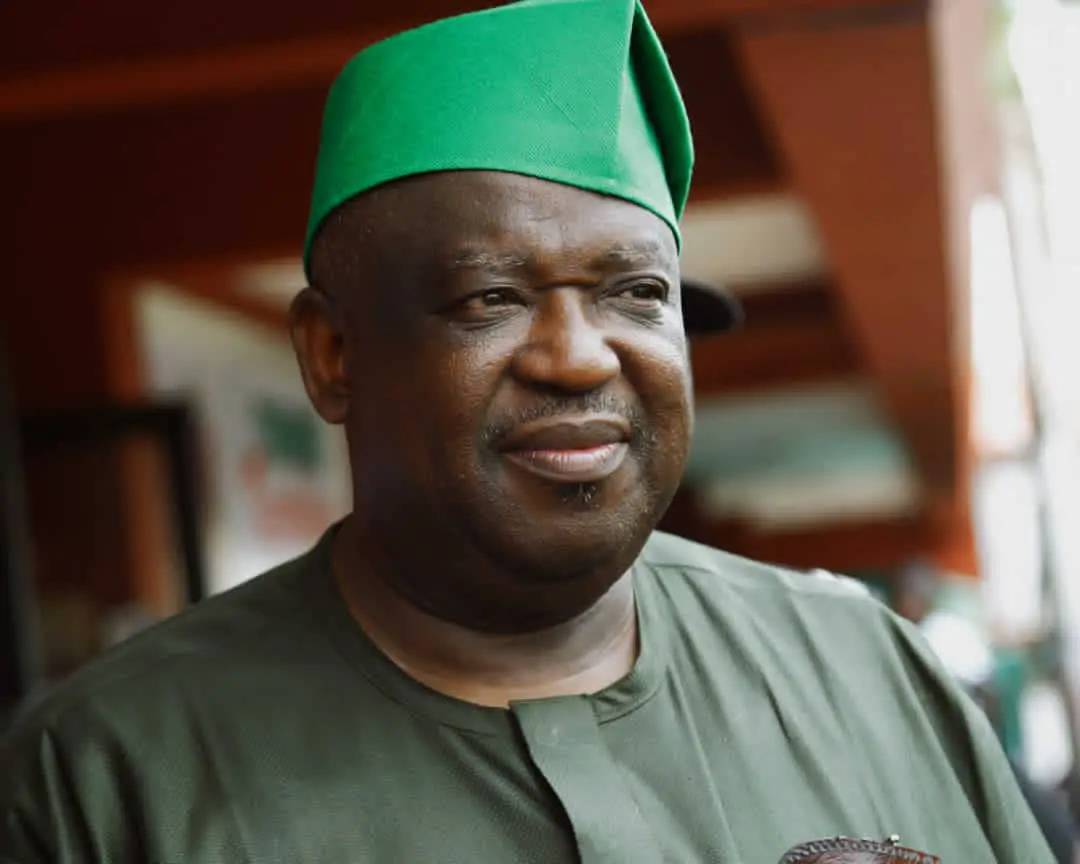
Governor Caleb Mutfwang of Plateau State
Renewed rustling and killings of cattle in Plateau State through poisoning and gunfire is a dangerous signal that familiar forces may once again be at work to destabilise the state. These criminal acts, coming at a period when peace and restraint should prevail, are not isolated incidents. They appear to be deliberate acts of provocations in a fragile environment where such actions are often met with silence.
Over the past two weeks, disturbing images of dead cattle have circulated widely on social media and the reports have appeared in a few national dailies. Curiously, much of the country’s national and local media coverage on the issue has been muted. This silence is dangerous in a state where unresolved grievances and ethnic fault lines have repeatedly turned minor triggers into a full-blown crisis.
Within the first 10 days of December, reports indicated that 168 cattle were rustled in the Fan district of Barkin Ladi and Kukukah in Jos East Local Government Area. According to Miyetti Allah Cattle Breeders Association of Nigeria (MACBAN) in Plateau State, the rustling was carried out by ethnic militia groups. Days later, several cattle were poisoned while grazing in Kwi village of Riyom LGA. This was followed by the shooting of 13 cows along Gero Road in Jos South LGA.
Security operatives under Operation Enduring Peace visited the scenes, documented the incidents and urged calm. The leadership of the cattle breeders also called for restraint, warning its members against retaliation while alleging that some groups were bent on provoking a wider conflict. While ethnic associations and youth leaders in Riyom, Barkin Ladi, Jos East and Jos South have denied involvement, open calls by some individuals for the expulsion of Fulani herders soon after these attacks reveal invisible hands stroking the embers of ethno-religious conflict.
These developments are not new. For decades, cattle rustling, poisoning of water sources and grazing areas as well as shooting of livestock have served as early warning signs of larger crises in Plateau State. Such recurrent triggers, especially in areas of Barkin Ladi, Riyom, Jos South and Mangu are rarely given serious attention by local and state governments, until lives are lost.
The danger of this neglect is already evident. Shortly after the Barkin Ladi incident, Dorong village in the same local government was attacked, leaving four children dead. A media aide to the lawmaker representing the area attributed the attack to suspected Fulani herders. Whether accurate or not, this narrative reflects a familiar and deadly pattern. The destruction of livelihoods breeds reprisals, and reprisals quickly escalate into attacks on innocent communities. This is how the cycle of violence often unfolds in Plateau State and it is not one that can be broken by military deployment alone. While security forces can contain violence, they cannot address its root causes. The primary responsibility lies with state and local governments to enforce the law, identify and punish offenders, and protect lives and property as guaranteed by the constitution.
Regrettably, the Plateau State Government has periodically ignored many of such triggers. Governor Caleb Mutfwang must turn his full attention to the fragile peace in the state. It is now time for him to concentrate on the triggers that are attempting to disrupt the relative peace in his state and call them out for what they are.
Silence in the face of provocation at this time is unacceptable. Local government authorities, who understand the patterns of violence better than anyone, must also act decisively and address these triggers immediately. As the closest representatives to the grassroots, council chairmen and councillors must take the lead in engaging ethnic and Fulani youths across the ‘problematic LGA’s’ and sustain community-level dialogue.
What Plateau urgently needs are firm policies that hold community and youth leaders accountable for acts that fuel insecurity. No doubt, when consequences are clear, communities will begin to expose and isolate those who profit from violence.
At Daily Trust, we believe that the people of Plateau State, like the rest of Nigeria, deserve peaceful Christmas and New Year celebrations. The state cannot afford another descent into violence and therefore, state and local governments, as well as the legislature, must not just wait for violence to escalate before they raise their voice. They have a duty to make a resounding warning that cattle rustling, poisoning of cattle and opening fire at herders and their cattle will no longer be tolerated. This is the best way for the state and local governments to take decisive steps to protect vulnerable communities and ensure accountability for those responsible for all attacks.