
It’s time to end malaria in Nigeria
Every year, April 25 is marked as World Malaria Day, a date set aside to raise global awareness about one of the world’s oldest yet still deadly diseases. The 2025 theme, “Reinvest, Reimagine, Reignite: Malaria Ends with Us,” is a powerful call to action. For Nigeria, the message could not be more urgent. As a […]
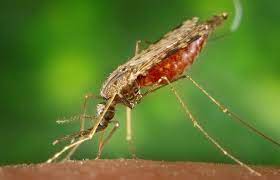
new mosquito specie threatens nigeria, others in malaria fight who
Every year, April 25 is marked as World Malaria Day, a date set aside to raise global awareness about one of the world’s oldest yet still deadly diseases. The 2025 theme, “Reinvest, Reimagine, Reignite: Malaria Ends with Us,” is a powerful call to action. For Nigeria, the message could not be more urgent. As a country with one of the highest malaria burden in the world, Nigeria must stop treating malaria as a seasonal concern and start addressing it as a national emergency.
The statistics are distressing: Nigeria accounts for nearly 30% of global malaria deaths, most of them among children under five. According to the World Health Organisation, malaria remains the leading cause of outpatient visits, hospital admissions, and mortality in the country. It drains our health system, weakens our workforce, and perpetuates poverty—especially in rural and underserved communities. And yet, year after year, malaria remains on the sidelines of national conversations.
The time has come for the Nigerian government to take full ownership of the fight against malaria. The first step is to reinvest—not just financially, but structurally. While international partners such as the Global Fund and USAID have supported Nigeria’s malaria programmes for years, foreign aid should complement, not carry, our national strategy. Budgetary allocation to malaria interventions must be increased, and funds must be released timely and transparently. The Ministry of Health, the National Malaria Elimination Programme, and primary health agencies must be empowered with the resources and personnel they need to function effectively.
To reimagine our approach, we must shift from treatment to prevention. Nigeria cannot win the war against malaria by merely treating cases after infection. Our fight must begin in communities—through environmental sanitation, public awareness, and proactive vector control. Government agencies must collaborate across sectors: the ministries of environment, water resources, education, and urban development must all play active roles. We need clean drainage systems, access to potable water, waste management enforcement, and sanitation campaigns that reach even the remotest villages. Malaria is not only a medical issue—it is a governance issue.
- THE BEARING: Why Hausa Folk Tales Must Be Saved From Becoming Extinct
- Grain hoarders face massive losses over declining prices
We must also prioritise data and technology. Real-time surveillance systems, local data collection, and digital reporting tools must be embraced to track outbreaks and respond faster. Community health workers should be trained not only to diagnose and treat, but also to educate families on consistent use of insecticide-treated nets and the importance of completing antimalarial medication.
To reignite this fight, we need leadership. President Bola Ahmed Tinubu’s administration has an opportunity to make a historic impact by launching a Presidential Initiative on Malaria Elimination, with clear benchmarks and a timeline that aligns with global goals. Other African countries, like Algeria and Cape Verde, have already eliminated malaria. If they can do it, so can we—if we are serious.
Public-private partnerships also need to be encouraged. The private health sector, pharmaceutical companies, and the media can all contribute to national campaigns. We must revive malaria education in schools, in the media, and on social platforms, using local languages and culturally relevant messaging.
Above all, malaria must be recognised as an issue of equity and national development. No Nigerian child should die from a mosquito bite in 2025. No family should be pushed into poverty because of a disease that science already knows how to prevent. The government must act—not just with statements, but with funding, reforms, and results.
Malaria has stolen lives and livelihoods for too long. But it can be defeated. And that defeat begins when we stop outsourcing responsibility and start owning the solution. Because truly, malaria ends with us.
Maxwell Chikwendu, a public health analyst wrote from Maitama, Abuja