
Journalists undergo training on conflict-sensitive reporting in Abuja
Journalists from across Nigeria gathered in Abuja for a two-day training organised by Search for Common Ground under its “Promoting and Protecting Freedom of Religion or Belief” project, supported by the Dutch Ministry of Foreign Affairs. The Senior Media Officer for the project, Katlong Dasat, said the workshop was designed to refresh journalists’ understanding of […]
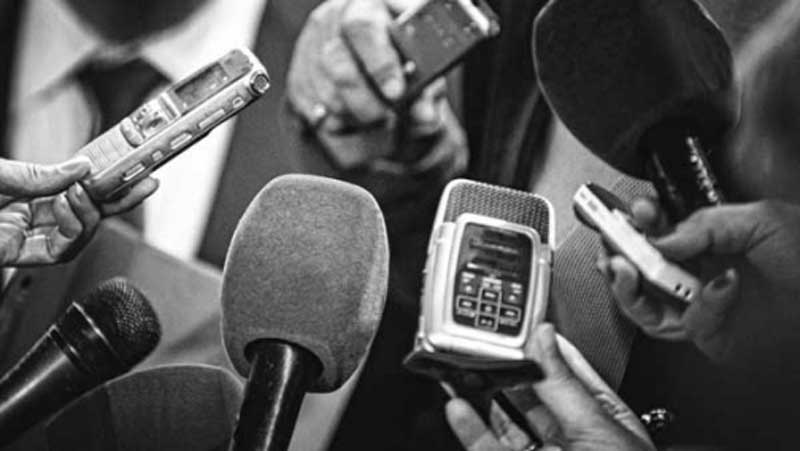
Journalists from across Nigeria gathered in Abuja for a two-day training organised by Search for Common Ground under its “Promoting and Protecting Freedom of Religion or Belief” project, supported by the Dutch Ministry of Foreign Affairs.
The Senior Media Officer for the project, Katlong Dasat, said the workshop was designed to refresh journalists’ understanding of common ground journalism and conflict-sensitive reporting. “Journalists wield great influence in society, and their headlines and narratives must aim to foster unity while avoiding harm,” she said.
Dasat emphasised that the project is not religious but rather a human rights-focused initiative that advocates for the inherent right to freedom of religion or belief. She explained, “This right is enshrined in Article 18 of the Universal Declaration of Human Rights and also in the Nigerian Constitution. It ensures individuals can worship or manifest their beliefs freely.”
A toll-free line with the short code 7224 was also introduced as part of the project to report violations of religious freedom.
- Police arrest kidnappers, recover arms in Taraba
- Beware of international cyber-slavery, FG warns Nigerians
Dasat recalled, “This line saved a life in Sokoto last year. A marketplace argument escalated, and a person was about to be stoned. Swift intervention ensured their safety. It’s also helped individuals escape dangerous situations where their rights were violated, such as being charged for apostasy.”
She said the training, which was first held nearly two years ago, has yielded positive results. “We’ve seen journalists taking it upon themselves to challenge headlines that could incite violence and using their platforms to influence societal behaviour positively,” Dasat added.
The project also engages social media influencers to amplify awareness and correct harmful narratives. Through collaboration and capacity-building, it continues to promote human rights, peace, and harmony in Nigeria.