
Kaduna targets 3m bank accounts by 2025 – Gov Sani
Governor Uba Sani has pledged to open three million new bank accounts in Kaduna State by the end of 2025 as part of a major push for financial inclusion and poverty reduction. Speaking at the Kaduna Economic and Financial Inclusion Summit (KEFIS 2025) themed, “Expanding Financial Access for Sustainable Development,” the governor said over 2.5 […]
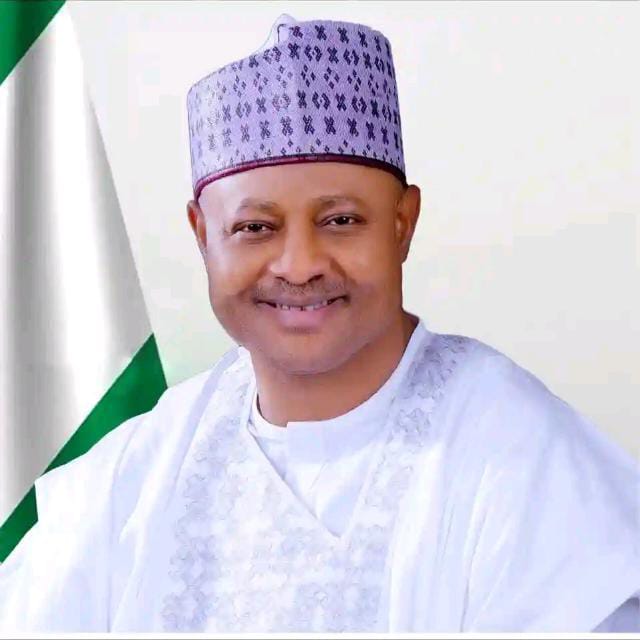
uba sani
Governor Uba Sani has pledged to open three million new bank accounts in Kaduna State by the end of 2025 as part of a major push for financial inclusion and poverty reduction.
Speaking at the Kaduna Economic and Financial Inclusion Summit (KEFIS 2025) themed, “Expanding Financial Access for Sustainable Development,” the governor said over 2.5 million accounts had already been opened, with nearly seven million citizens registered for National Identification Numbers (NIN) to facilitate access.
“True financial inclusion is about empowering individuals and communities to participate meaningfully in the economy,” he told stakeholders, including representatives of the vice president, banks, fintech firms and development partners.
Sani emphasised that Kaduna’s rural dwellers—making up 70 to 75 per cent of the unbanked—are central to the state’s strategy.
- Sustaining monetary reforms to accelerate investments
- TI Nigeria backs NNPCL probe, seeks comprehensive oil sector audit
“About 3.5 million people in Kaduna were outside the financial system as of 2023,” he said, adding, “This hindered growth and excluded many from modern financial systems.”
Recalling his tenure as chairman of the Senate Committee on Banking, he highlighted the Banking and Other Financial Institutions Act (BOFIA) 2020, which brought fintechs under Central Bank regulation.
“Since then, digital services have expanded to underserved areas, offering mobile banking, credit, and access to donor programmes,” he noted.
The governor said his administration institutionalised financial inclusion through an Executive Order signed in 2023, which created a dedicated committee and led to targeted interventions.
Agencies like KADEDA, KADSIPA and the Planning and Budget Commission have since channeled over N18 billion through direct cash transfers and input distribution.
The policy has shown results: financial access among adults in Kaduna rose from 45% in 2022 to 64% in 2024. Of this, 9% represent new bank account holders and 10% gained access to other formal financial services.
Sani said financial inclusion is also key to supporting Micro, Small, and Medium Enterprises (MSMEs), which are critical to job creation.
“We’re building an entrepreneurial ecosystem where MSMEs can thrive,” he said, noting that improved access to finance has already reduced poverty and inequality.
He stressed that financial inclusion also helps tackle insecurity by addressing root causes like unemployment and economic disenfranchisement.
He said Kaduna has been selected as a pilot state for a national financial inclusion initiative led by the Office of the Vice President, saying as part of this, the state will allocate 5,000 hectares for an in-grower scheme to support rural farmers through input support and product-based repayments.