
Kebbi’s AGILE Project Commended
The National Association of Nigerian Students (NANS) has commended the implementation of the Adolescent Girls Initiative for Learning and Empowerment (AGILE) project in Kebbi State for its contribution to improving access to education for adolescent girls. The National Sports Director of NANS, Comrade Haruna Tijjani, gave the commendation in a statement where he acknowledged the […]
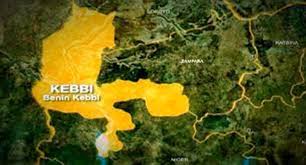
kebbi map
The National Association of Nigerian Students (NANS) has commended the implementation of the Adolescent Girls Initiative for Learning and Empowerment (AGILE) project in Kebbi State for its contribution to improving access to education for adolescent girls.
The National Sports Director of NANS, Comrade Haruna Tijjani, gave the commendation in a statement where he acknowledged the efforts of the State Project Coordinator, Alhaji Aliyu Haido, and the achievements recorded under the programme.
AGILE, a World Bank–supported initiative of the Federal Ministry of Education, aims to expand access to quality secondary education for girls aged 10 to 20. It seeks to address challenges such as poverty, cultural barriers, and inadequate infrastructure by improving school facilities, offering conditional cash transfers, and raising community awareness on the importance of girls’ education.
In Kebbi State, the project has recorded significant milestones. According to available data, 303 schools have been upgraded, with 1,387 classrooms delivered—1,339 renovated and 48 newly constructed. Over 7,000 related projects, including perimeter fencing, hostels, staff quarters, multipurpose halls, and skills acquisition centres, have also been completed across the 21 local government areas.
More than 40,000 sets of classroom furniture have been provided, while 1,336 water, sanitation and hygiene (WASH) facilities have been installed. Construction work is also ongoing for 30 new junior secondary and 18 senior secondary schools. Additionally, 75 primary schools have been upgraded to junior secondary level, and 45 junior schools have transitioned to senior secondary level.
Under the programme’s conditional cash transfer scheme, over 20,000 girls have reportedly received financial support to continue their education. The initiative has also trained more than 2,000 teachers in gender-sensitive classroom practices and engaged traditional, religious, and community leaders to promote girls’ education.
Indicators from the project show improvements in enrolment and learning outcomes. Girls’ enrolment is said to have increased by 40 percent, while learning performance in Mathematics and English has improved by 30 percent. Dropout rates have also declined by 20 percent.
Tijjani described the project’s progress in Kebbi as encouraging and called for continued collaboration among stakeholders to sustain the gains made so far. He said the Kebbi experience could serve as a model for improving girls’ education in other parts of the country.