
Labour and Industry in the Next Level
31st National Education conference of National Union of Textile Garment and Tailoring workers of Nigeria (NUTGTWN) in collaboration with the Nigerian Textile Garment and Tailoring Employers Association (NTGTEA) held at the Comrade Olaitan Oyerinde Hall, Nigeria Labour Congress (NLC) Headquarters Abuja from Tuesday 29th to Wednesday 30th October 2019. Over 400 participants from cotton, textile […]
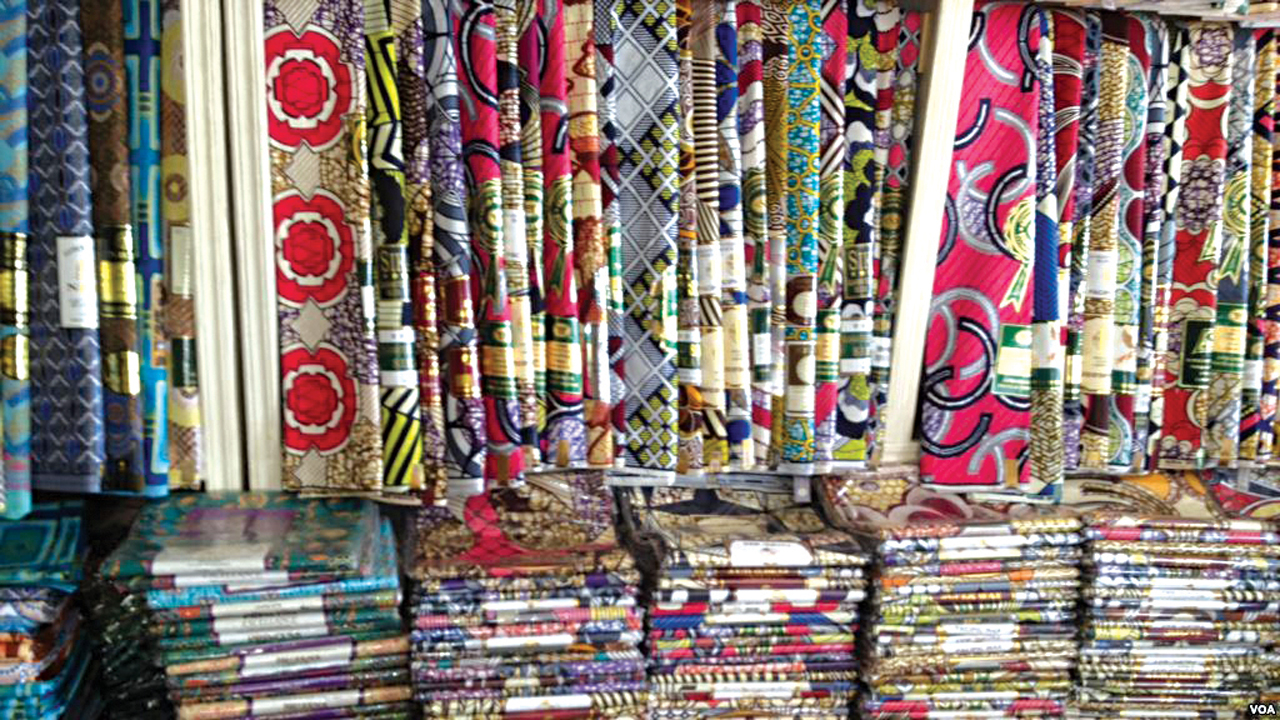
31st National Education conference of National Union of Textile Garment and Tailoring workers of Nigeria (NUTGTWN) in collaboration with the Nigerian Textile Garment and Tailoring Employers Association (NTGTEA) held at the Comrade Olaitan Oyerinde Hall, Nigeria Labour Congress (NLC) Headquarters Abuja from Tuesday 29th to Wednesday 30th October 2019. Over 400 participants from cotton, textile and garment industries, self-employed tailors and garment makers nationwide attended the historic Conference. The Conference critically evaluated the current initiatives in the revival of the industry, reviewed and discussed the Cotton Textile and Garment (CTG) Policy and its policy implications, reflected on the challenges and generated ideas for industrial revival, job creation and ensuring welfare of the workers in the Next Level of the new administration.
The Conference resolved as follows:
COMMENDED President Muhammadu Buhari for changing the narrative of textile industry from that of closure to revival and recovery.
ACKNOWLEDGED that the new CTG policy in addition to the three unprecedented Presidential Executive orders mandating government agencies to patronize Nigeria goods (textile inclusive) through budget spending aims at creating millions of jobs.
COMMENDED The Central Bank of Nigeria (CBN) for its development financing initiatives on cotton seeds to farmers, restructured Bank of Industry (BOI) loans to the spinning and weaving mills and facilitating the historic signing of the Memorandum of Understanding (MOU) between the textile mills and uniformed services (Army, Navy, Police, Road safety, Civil Defence, Customs, Immigration, National Youth Service Corps etc) for their uniforms to be produced locally.
NOTED President Buhari had envisioned 100 million jobs in a decade. Textile and garment sector promises as many as 2.5 million direct jobs.
REAFFIRMED that Textile Industry remains the key driver of sustainable jobs and development for most national economies of developing nations like ours. Indeed for Nigeria and Africa to meet the Sustainable Development Goal 2030, especially SDG 9 dealing with industry and innovation, African continent must innovate and industrialize. Africa must copy China’s industrialization drive which has within 20 years moved over 250 million people out of poverty through manufacturing and industrialization.
COMMENDED the Bank of Industry (BOI) under the leadership of Mr. Olukayode Pitan for sustainable financing to textile operators to aid recovery.
COMMENDED United Nations Development Organisation (UNIDO) for support for industrial revival.
OBSERVED that the implementation of the CTG policy is taking place at the time most African countries including Nigeria had signed on to the Africa Continental Free Trade Agreement (ACFTA). The Conference commended President Buhari for the signing of the Agreement.
CALLED on the Federal government to develop a comprehensive strategy to fully optimise the benefits of ACFTA with necessary safeguards in place to prevent and apprehend unfair trading practices such as smuggling and dumping.
SUPPORTED the current closure of Nigerian borders by Nigeria Customs Service (NCS) as part of the strategies to combat smuggling while calling on the Nigeria’s Customs to effectively enforce the directive.
COMMENDED the directive by President Buhari for special fund by the CBN and Industrial Training Fund (ITF) for capacity building and training of workers in the cotton, textile and garment value chain against the background of the new CTG policy and signing of the ACFTA.
OBSERVED that for textile industry to be competitive, the existing workforce must be trained and retrained to acquire new skills for the challenges of competition within the context of the 4th industrial revolution.
FURTHER OBSERVED that there can be no industrialization without electrification and called on the Federal government to intensify effort to address the problem of electricity supply in the country.
COMMENDED the Federal Government, Nigeria Labour Congress (NLC), Trade Union Congress (TUC) and all the stakeholders for working together to ensure a new National Minimum Wage of N30,000.00 for Nigeria workers and the consequential adjustments as it affects public sector workers.
HAILED Kaduna State Government and other State Governments that have implemented the new Minimum Wage.
CALLED on other State governors and other employers of labour in both the public and private sectors to quickly implement the new minimum wage.
OBSERVED that economic recovery would elude Nigerian economy until the country put an end to persistent crisis of compensation of the working class through enhanced purchasing power which is only possible through prompt and adequate payment of minimum and living wage for the employed workforce.
NOTED that the key to sustainable development is labour productivity in both public and private sectors which is only possible with motivated paid workers at work and after work through adequate pensions.
FURTHER NOTED that increased wages and regular payments of the salaries would increase purchasing power of the citizens and enhance the patronage of locally produced goods including textiles.
OBSERVED that as Nigeria’s industrial relations undergoes the challenges of avoidable disputes, strikes and lockouts, other unions and employers might find useful the model example of peaceful contestation and cooperation between workers and employers in the textile Industry on all aspects of industrial relations.
CALLED on workers to reciprocate the gesture by government and employers through improved productivity.
COMMENDED INEC under Professor Mahmood Yakubu for the successful conduct of the 2019 general elections globally adjudged to be free and fair.
NOTED that credible election is the critical foundation for true democracy, good governance and sustainable development.
COMMENDED organised labour and other civil society organizations for partnering with Independent National Electoral Commission (INEC) as observers and volunteers, urging them to strengthen this process of collaboration through an urgent post election assessment.
CALLED on INEC and other stakeholders to put necessary machineries in place for free and fair elections in Kogi and Bayelsa States governorship elections scheduled to hold Saturday 16th November, 2019.
Notable hosts of the historic Conference were the Union’s President, Comrade John Adaji and General Secretary, and Vice President of IndustriALL Global Union Comrade Issa Aremu.