
Lafia: When cosmetic projects are mistaken for development
Recently, I read an article written by Abari, an aide to the Governor of Nasarawa State, Abdullahi A. Sule, where it is argued that Sule’s projects in Lafia prove that the state capital has witnessed unprecedented development. Unfortunately, the article rests on a fundamental misunderstanding of what development actually means. It mistakes physical structures for […]
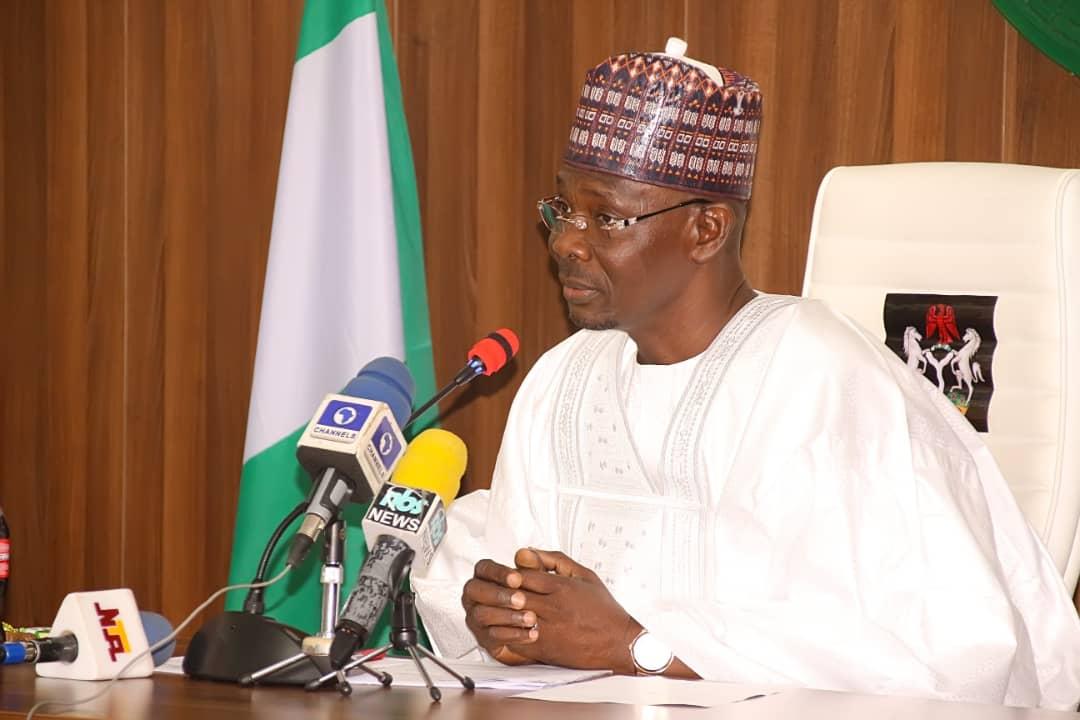
Recently, I read an article written by Abari, an aide to the Governor of Nasarawa State, Abdullahi A. Sule, where it is argued that Sule’s projects in Lafia prove that the state capital has witnessed unprecedented development.
Unfortunately, the article rests on a fundamental misunderstanding of what development actually means. It mistakes physical structures for human progress and monumental construction for meaningful improvements in the lives of ordinary people.
Development is not measured by the height of a flyover, the size of a secretariat complex or the length of a bridge. It is measured by whether people are better off than they were before. Are families earning more? Are schools producing better learning outcomes? Are hospitals equipped to save lives? Are farmers more productive? Are roads connecting rural communities to markets? Has unemployment fallen? These are the questions that define genuine development. Yet, these are the questions the governor’s aide deliberately decided to skip.
A flyover, an underpass and a new secretariat complex may change the skyline of a city, but they do not automatically improve the living standards of the people. Infrastructure has value only when it addresses pressing public needs and produces broad economic and social benefits.
Otherwise, it becomes an expensive monument rather than an instrument of development.
Take the Lafia flyover and underpass. Supporters celebrate it as evidence of transformation, yet many residents continue to travel daily on roads riddled with potholes and poor drainage across the state’ capital. The obvious question is whether a multi-billion-naira overhead bridge represented the most urgent priority. Was traffic congestion in Lafia so severe that it deserved billions of naira while numerous roads linking communities, houses, farms and markets remained neglected?
Development is fundamentally about prioritisation. Governments operate with limited resources, making it impossible to do everything at once. The test of leadership is, therefore, not how impressive a project looks, but whether it addresses the most urgent needs of the greatest number of people.
By that standard, the flyover appears more cosmetic than transformational. It beautifies the city and creates an attractive landmark, but it does little to solve the structural challenges confronting most residents of Lafia.
The same criticism applies to the new state secretariat complex. Government workers in Lafia were not operating under trees. Ministries, departments and agencies already had office accommodation, even if some facilities required renovation or upgrading. Building a grand new secretariat may project prestige, but prestige is not development.
It is difficult to justify such enormous expenditure when schools lack adequate classrooms, hospitals struggle with basic equipment and rural communities continue to face poor infrastructure.
Indeed, the secretariat risks becoming another symbol of government grandeur rather than public necessity. Such projects often satisfy political ambitions, create opportunities for lucrative contracts and enhance the image of an administration, but they do not necessarily translate into improved welfare for citizens.
A government should not confuse symbolic architecture with meaningful governance.
Similarly, while the Kilema Bridge may address flooding in a specific location, isolated infrastructure projects cannot substitute for a comprehensive development strategy. A government’s performance should not be assessed by individual projects alone but by the overall condition of education, healthcare, agriculture, employment and rural infrastructure across the state.
Perhaps, the greatest missed opportunity lies in education. No society has ever achieved sustainable development without investing heavily in its schools. Modern classrooms, well-trained teachers, functional laboratories, libraries and learning materials produce skilled citizens who drive economic growth for generations. Every naira invested in quality education yields long-term dividends far greater than concrete monuments.
Regrettably, in Lafia, like in all areas of Nasarawa State, classrooms, well-trained teachers, functional laboratories, libraries and learning materials are visibly lacking.
Likewise, agriculture remains Nasarawa State’s greatest comparative advantage. The state possesses fertile land, favourable weather and a population with deep farming traditions. Yet, farmers continue to struggle with poor rural roads, inadequate storage facilities, limited access to mechanisation, insufficient extension services and weak market access. These are the sectors that deserve sustained public investment because they generate employment, increase food production, reduce poverty and stimulate local industries.
Imagine if the billions spent on prestige projects had, instead, financed hundreds of kilometres of rural roads connecting farming communities to markets. Imagine if irrigation schemes had expanded dry-season farming, if agricultural processing centres had reduced post-harvest losses, or if schools and healthcare facilities across the state had received comprehensive upgrades. Such investments would have touched millions of lives rather than simply altering the appearance of the state capital.
Development is ultimately about people, not projects. Governments should resist the temptation to pursue white elephant projects that dominate headlines while neglecting sectors that determine whether citizens live with dignity and opportunity. The true legacy of any administration is not the number of monuments it leaves behind but the extent to which it improves the everyday lives of its people.
Nasarawa State and, especially Lafia, deserve a development agenda centred on human capital, agricultural productivity, quality education, accessible healthcare and functional infrastructure across all communities—not just visually striking structures concentrated in the capital.
These are the investments that create lasting prosperity and development. White elephant projects may impress visitors for a moment, but they rarely transform the lives of the people they are supposed to serve.