
Lagos ports’ corridor handles over 2,000 trucks daily – Report
The Lagos Ports Corridor has recorded a significant volume of truck traffic, with over 2,000 trucks entering and exiting the facility daily, according to the Truck Transit Park (TTP) report. This surge in truck traffic underscores the importance of the Lagos Ports Corridor as a critical hub for Nigeria’s maritime trade. The corridor serves as […]
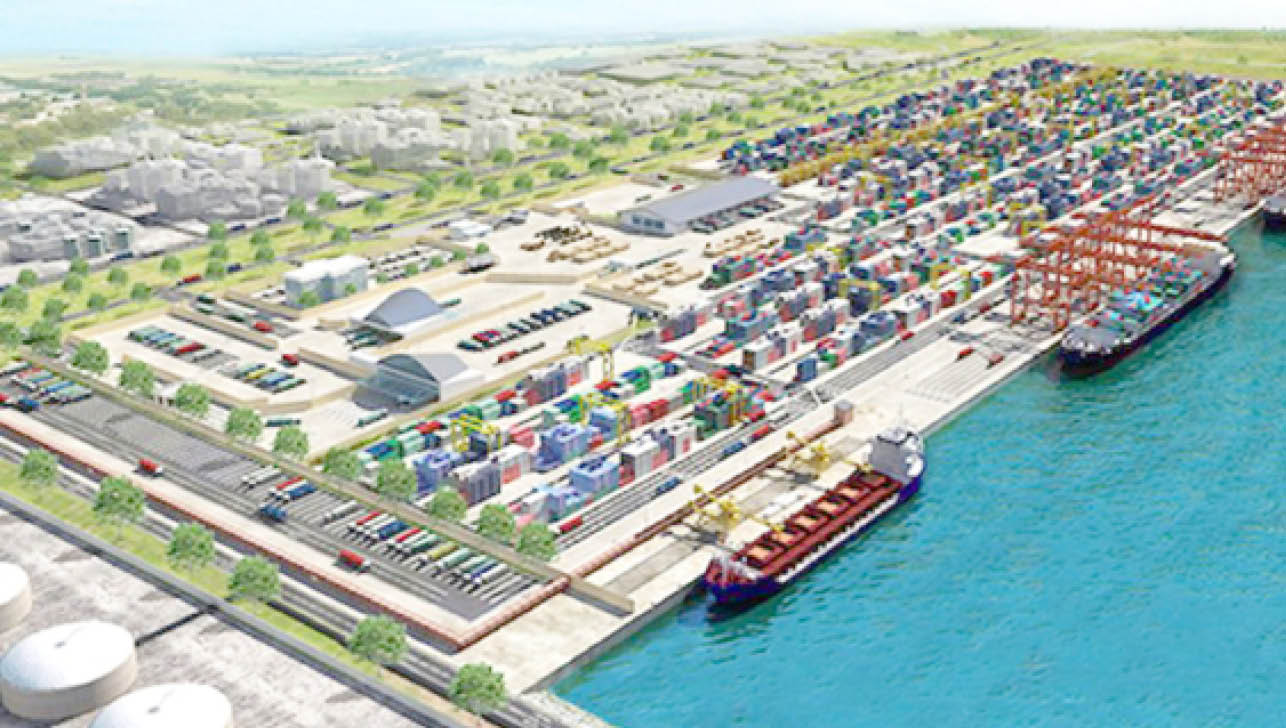
The Lagos Ports Corridor has recorded a significant volume of truck traffic, with over 2,000 trucks entering and exiting the facility daily, according to the Truck Transit Park (TTP) report.
This surge in truck traffic underscores the importance of the Lagos Ports Corridor as a critical hub for Nigeria’s maritime trade.
The corridor serves as a key gateway for the import and export of goods, with thousands of containers passing through its gates every day.
To manage the high volume of truck traffic, the Nigerian Ports Authority (NPA) had in 2021, implemented an electronic call-up system, which regulates truck movements and reduces congestion.
The system ensures that only trucks with valid call-up tickets are granted access to terminal facilities, eliminating unauthorized entries and enhancing gate control operations. The Lagos Ports Corridor is a critical component of Nigeria’s transportation network, and its efficient operation is essential to the country’s economic well-being.
Managing Director of TTP, Jama Onwubuariri who spoke with newsmen explained some of the achievements recorded by TTP since inception to include the handling of over three million truck trips, to the drastic reduction in gridlock and improved truck and cargo turnaround time. He stated that the introduction of smarter payment platforms has improved the ease of payments for bookings and that the ongoing partnerships with the Nigerian Ports Authority, terminal operators, security agencies, unions, and associations has also helped to sustain progress.
The TTP MD also revealed plans to extend Eto call-Up system to countries in the West African sub-region, adding that the traffic management platform TTP built in Nigeria, is not just a solution, but a model that would be scaled regionally.
He explained that goods and services would move faster, if every ECOWAS country operated a harmonised port truck scheduling, which he said, will include, rest stop, and electronic tolling system that supports the multiple currencies used in the region.
“Ètò is a model that would be scaled regionally. Imagine if every ECOWAS country operated a harmonised port truck scheduling, rest stop, and electronic tolling system that supports the multiple currencies used in the region—how much faster goods would move, how much cheaper trade would become, and how much closer we would be to realising the promise of the African Continental Free Trade Area (AfCFTA).
“TTP stands ready to play in that space, to collaborate with ECOWAS and support regional governments in deploying technology that will make seamless intra-African trade not just a vision, but a reality.
“Looking forward, our focus is threefold: Deepening Efficiency at Nigerian Ports – through continuous technology and infrastructure upgrades, smarter data use, and stronger enforcement collaboration.”