
Lassa fever and a failing shield
As Nigeria moves deeper into its annual Lassa fever season, an unsettling pattern has emerged: the virus is increasingly infecting the very health workers tasked with containing it, underscoring the urgent need for all hands to be on deck to ensure an effective response and swift containment. According to the Nigeria Centre for Disease Control […]
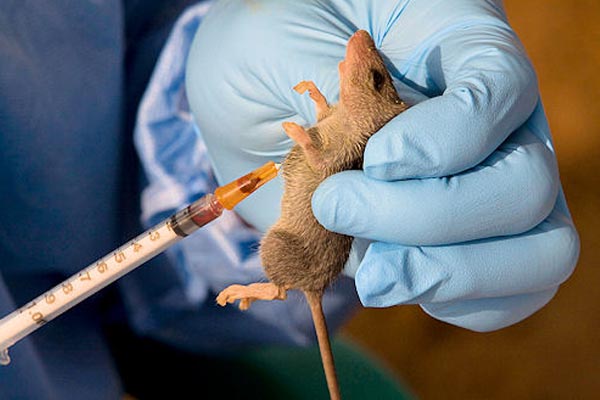
As Nigeria moves deeper into its annual Lassa fever season, an unsettling pattern has emerged: the virus is increasingly infecting the very health workers tasked with containing it, underscoring the urgent need for all hands to be on deck to ensure an effective response and swift containment.
According to the Nigeria Centre for Disease Control (NCDC), more than 15 healthcare workers across several states had contracted Lassa fever as of Epidemiological Week Seven. Overall, the disease claimed 75 lives within the first seven weeks of the year alone, while more than 1,538 suspected cases were reported across 35 local government areas in nine states.
Taraba appears to be the worst-affected state, with 35 deaths recorded, according to the Federal Medical Centre, Jalingo. In neighbouring Benue, authorities have also confirmed heavy losses, with the state epidemiologist reporting that 10 healthcare workers were among those who died from the disease.
It is troubling that Lassa fever continues to recur year after year. More disturbing, however, is the fact that frontline health workers, Nigeria’s first line of defence, are now increasingly at risk. This development should concern everyone.
When healthcare workers fall ill, the consequences extend far beyond individual cases.
As observed by experts, first, staffing shortages intensify pressure on already overstretched facilities. During peak Lassa fever season, treatment centres often operate at or beyond capacity. The loss of trained personnel compromises patient care, prolongs waiting times, and weakens emergency response.
Second, morale suffers. Fear of infection may discourage staff from volunteering for high-risk units, particularly in rural areas where health worker density is already critically low. A system that fails to protect its workers cannot expect sustained commitment.
Third, public confidence erodes. If hospitals are perceived as unsafe, communities may delay seeking care. Such delays not only worsen health outcomes but also increase the likelihood of community transmission.
Yet the official response has not conveyed the urgency that a recurring seasonal epidemic demands. When compared with the coordinated national mobilisation witnessed during outbreaks such as COVID-19 or the sustained response to HIV/AIDS, the approach to Lassa fever appears fragmented and reactive.
This perception has fuelled a troubling narrative in some quarters that Lassa fever is treated with less urgency because it disproportionately affects poorer and rural communities. That it is sometimes described as a “poor man’s disease” should be a source of national discomfort. Epidemics do not respect class boundaries. A weak response anywhere ultimately endangers everyone.
At Daily Trust, we, therefore, affirm that there is an urgent need for greater and more sustained investment in preparedness and response. Personal protective equipment (PPE) must be consistently available, not only during peak outbreaks but as a routine component of facility operations.
Experts have identified supply chain challenges as a contributing factor. Although national agencies distribute protective materials during outbreaks, temporary shortages at the facility level still occur. Such gaps are unacceptable. Facility-level stock monitoring systems should be strengthened to prevent depletion. Transparent reporting of inventory shortages would allow rapid redistribution before supplies are exhausted. Decentralised buffer stocks during peak transmission periods should also be considered.
Similarly, we support the call by healthcare experts for mandatory Infection Prevention and Control (IPC) training for all categories of facility staff, clinical and non-clinical, as an essential measure. IPC cannot remain a policy document; it must become institutional culture. Strict adherence to hand hygiene remains fundamental. Alcohol-based hand rubs and functional handwashing stations must be readily accessible in all facilities, from tertiary hospitals to primary healthcare centres.
Hospitals must also implement robust triage systems to identify and isolate suspected Lassa fever cases at first contact. Dedicated isolation areas reduce exposure risks for other patients and staff. Clear referral pathways should be communicated to lower-level facilities to prevent unnecessary exposure and confusion.
Also, rapid laboratory confirmation is equally critical. Delays prolong uncertainty and increase exposure risk. Improved specimen transport systems and expanded laboratory capacity would significantly shorten turnaround times and enhance containment efforts.
Healthcare workers, for their part, need clear and stigma-free pathways to report symptoms or exposure and to access testing and treatment promptly. Psychosocial support services are equally important to address fear, burnout, and anxiety, which inevitably accompany repeated outbreaks.
Beyond health facilities, intensified public sensitisation is required. Government agencies, including the National Orientation Agency, state governments, civil society organisations in the health sector, the media, and religious institutions must scale up awareness campaigns on symptoms, preventive measures, and the importance of early presentation at health facilities.
Lassa fever may be seasonal, but it is neither new nor unpredictable. That it continues to claim lives, including those of trained health professionals, points to systemic gaps that can and must be addressed.
It is therefore our view that containing the virus requires more than advisories. It demands political will, sustained funding, institutional discipline, and collective responsibility. Protecting those who protect us is not optional. It is the foundation of any credible public health response.