
Lassa fever: WHO raises alarm as Benue confirms 15 cases, 6 deaths
At least 15 confirmed cases of Lassa fever and six related deaths have been recorded in Benue State this year, with nine more deaths suspected to be linked to the disease, health officials said on Wednesday. Dr. Msuega Asema, the State Epidemiologist and Manager of the Benue State Public Health and Emergency Operation Centre (PHEOC), […]
At least 15 confirmed cases of Lassa fever and six related deaths have been recorded in Benue State this year, with nine more deaths suspected to be linked to the disease, health officials said on Wednesday.
Dr. Msuega Asema, the State Epidemiologist and Manager of the Benue State Public Health and Emergency Operation Centre (PHEOC), disclosed the figures during a World Health Organisation (WHO)-organised training session on Lassa fever response for Community Health Workers (CHWs) and media personnel in Makurdi.
He said since February, the state has documented 156 suspected cases, with the outbreak persisting unusually into the rainy season.
“We have not deactivated our response because we are still seeing cases, even during the rainy season, which is unusual. Lassa fever is typically more common in the dry season,” Asema said.
- Nigeria’s Bukar-Hassan to take peace message to Gaza, Sudan
- Experts weigh in as Tinubu directs free healthcare for low-income retirees
He explained that while 15 cases have been confirmed through laboratory tests, nine additional deaths are considered probable Lassa fever cases based on clinical symptoms and exposure history, despite lacking laboratory confirmation.
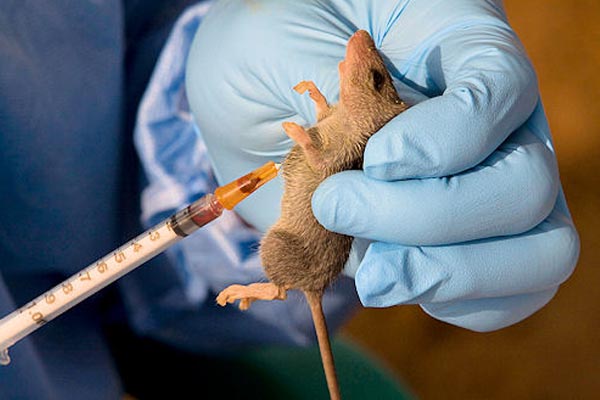
Asema said the disease is primarily spread through contact with the urine and faeces of infected multimammate rats (Mastomys natalensis), which often contaminate food that is left uncovered or improperly stored.
WHO State Coordinator, Dr. Mohammed Abdulkarim, expressed concern over the persistence of the disease and the lack of adequate funding to combat it.
“The outbreak has lingered in Benue for over six years. It is spreading fast, and we need a shift from reactive to preventive health approaches. Prevention through improved health and nutrition practices is key,” he said.